Guía de variedades populares de lavanda | Blog de vida joven

Si te encanta la lavanda como a nosotros y has hecho una búsqueda rápida de las diferentes variedades de lavanda que existen, ¡sabes que hay muchas! También has descubierto que, como ocurre con la mayoría de las cosas en la vida, no toda la lavanda es igual. En esta guía, lo llevaremos a recorrer algunas de las variedades de lavanda más populares y sus usos. Comprender sus diferencias le ayudará a tomar decisiones informadas sobre qué tipo de lavanda es la adecuada para usted.

Al investigar la lavanda, uno de los primeros hechos que aprende es que, aunque se consideran un grupo homogéneo de plantas, existe bastante variación entre los diferentes cultivares de lavanda.

planta y flor de lavanda

Las variedades de lavanda más comunes que encontrarás son la lavanda inglesa, la lavanda francesa y la lavanda española.

lavanda inglesa (Lavándula angustifolia) es el tipo de lavanda más popular. Tiene un aroma dulce y floral y aparece en una variedad de productos que incluyen jabones, perfumes y popurrí. La planta también produce un aceite con un aroma relajante que puedes difundir como parte de tu rutina nocturna.

lavanda francesa (Lavandula stoechas) es una variedad de lavanda menos utilizada. Tiene un aroma muy aromático que recuerda a la madera de alcanfor y se utiliza tradicionalmente para calmar, hidratar e hidratar la piel.

lavanda española (lavanda española) es la variedad más rara de lavanda, con un aroma fuerte y especiado que se utiliza en perfumes.

Más adelante en la guía, también abordaremos las variedades menos comunes de lavanda, como la lavanda portuguesa y el algodón de lavanda.

La lavanda inglesa (Lavandula angustifolia) es una planta versátil con muchos usos y beneficios. El fuerte aroma de esta lavanda la convierte en una opción popular para aceites esenciales, popurrí y bolsitas. Las flores secas también pueden ser una adición fragante a proyectos de repostería y manualidades.

La lavanda es conocida por sus propiedades aromáticas calmantes y relajantes, lo que la convierte en un ingrediente popular en muchos productos de belleza y baño.

Como planta perenne, la lavanda inglesa es fácil de cultivar en la mayoría de los jardines. Prefiere condiciones de crecimiento especiales: pleno sol y suelo bien drenado. También puedes cultivar lavanda utilizando semillas, esquejes o divisiones.

Esta lavanda florece desde finales de primavera hasta principios de verano. Las hermosas flores de color azul o violeta son especialmente atractivas para las abejas. La lavanda a veces se combina con otros cultivos como planta acompañante para disuadir a las plagas con su fragancia.

Es preferible cosechar lavanda para usarla en arreglos secos o extraer su aceite esencial justo cuando las flores comienzan a abrirse. Si eres tú quien cosecha, el truco consiste en cortar los tallos temprano en la mañana antes de que el calor del día marchite las flores.

La lavanda francesa es una planta perenne que puede crecer hasta dos pies de altura. Tiene tallos largos de los que brotan pequeñas flores de color púrpura con hojas de color verde oscuro que muestran un brillo plateado. Originaria de la región mediterránea, la lavanda francesa se cultiva ampliamente en más lugares que Francia; también encontrarás hermosos campos en España e Italia.

Si está buscando una planta que sea hermosa, fragante y útil, la lavanda francesa cumple todos los requisitos. Es fácil de cultivar y mantener y añade un toque de belleza y fragancia relajante que seguramente se convertirá en lo más destacado de cualquier hogar o jardín.

cosechar plantas de lavanda

lavanda española (Lavandula burnatii) es una planta hermosa, fragante y versátil que aporta muchos beneficios a la mesa. El uso más común de la lavanda española es en aromaterapia, donde se utiliza su aroma fuerte y agradable para inspirar un ambiente tranquilo y relajante. El aceite esencial de lavanda también se incluye en muchos cosméticos y productos para el cuidado de la piel debido a sus propiedades calmantes y limpiadoras de la piel.

Sin embargo, ¡la lavanda española es más que una cara bonita! Esta pequeña y resistente planta también es útil en paisajismo y jardinería. Es tolerante a la sequía y puede prosperar en suelos pobres y secos. Además, la lavanda española se utiliza a menudo como planta decorativa o como borde en macizos de flores y jardines.

lavanda portuguesa, o Lavandula latifolia, es un tipo de planta con flores que es uno de los miembros menos conocidos de la familia de la lavanda. También es originaria de la región mediterránea y se cultiva ampliamente como planta ornamental. La planta de lavanda portuguesa se convierte en un arbusto grande con hojas de color verde grisáceo y flores de color púrpura distintivas. Las flores nacen en espigas que crecen hasta 12 pulgadas (30 centímetros) de largo. Al igual que otras variedades de lavanda, la versión portuguesa es tolerante a la sequía y prospera disfrutando del calor del sol.

Algodón lavanda, o Santolina chamaecyparissus, es un tipo de lavanda que, como muchas de sus primas, nos llega desde el Mediterráneo, donde puede recibir todo el sol que necesita para crecer. Esta planta de lavanda en particular es conocida por sus pequeñas flores blancas y su capacidad para prosperar en suelos secos y arenosos. El algodón lavanda, al igual que la lavanda portuguesa, se considera ampliamente una planta ornamental, aunque también tiene varios usos prácticos.

El aceite de flor de algodón de lavanda tiene un aroma diferente al de otros tipos de lavanda, pero también se encuentra en jabones, cosméticos y otros productos. El aceite de la planta tiene un fuerte aroma que ayuda con los problemas exteriores.

Se pueden agregar flores secas de algodón de lavanda al agua para hacer té. Su aroma floral también los convierte en un ingrediente popular en popurrí y bolsitas.

Al igual que otras variedades de lavanda, el algodón de lavanda es una planta que requiere poco mantenimiento y es fácil de cultivar y cuidar. La planta se desarrolla mejor a pleno sol y en suelos bien drenados. Resistente como el resto de la familia de la lavanda, tolera la sequía y no necesita mucho fertilizante. Una vez establecido, el álamo lavanda requiere muy poco mantenimiento.

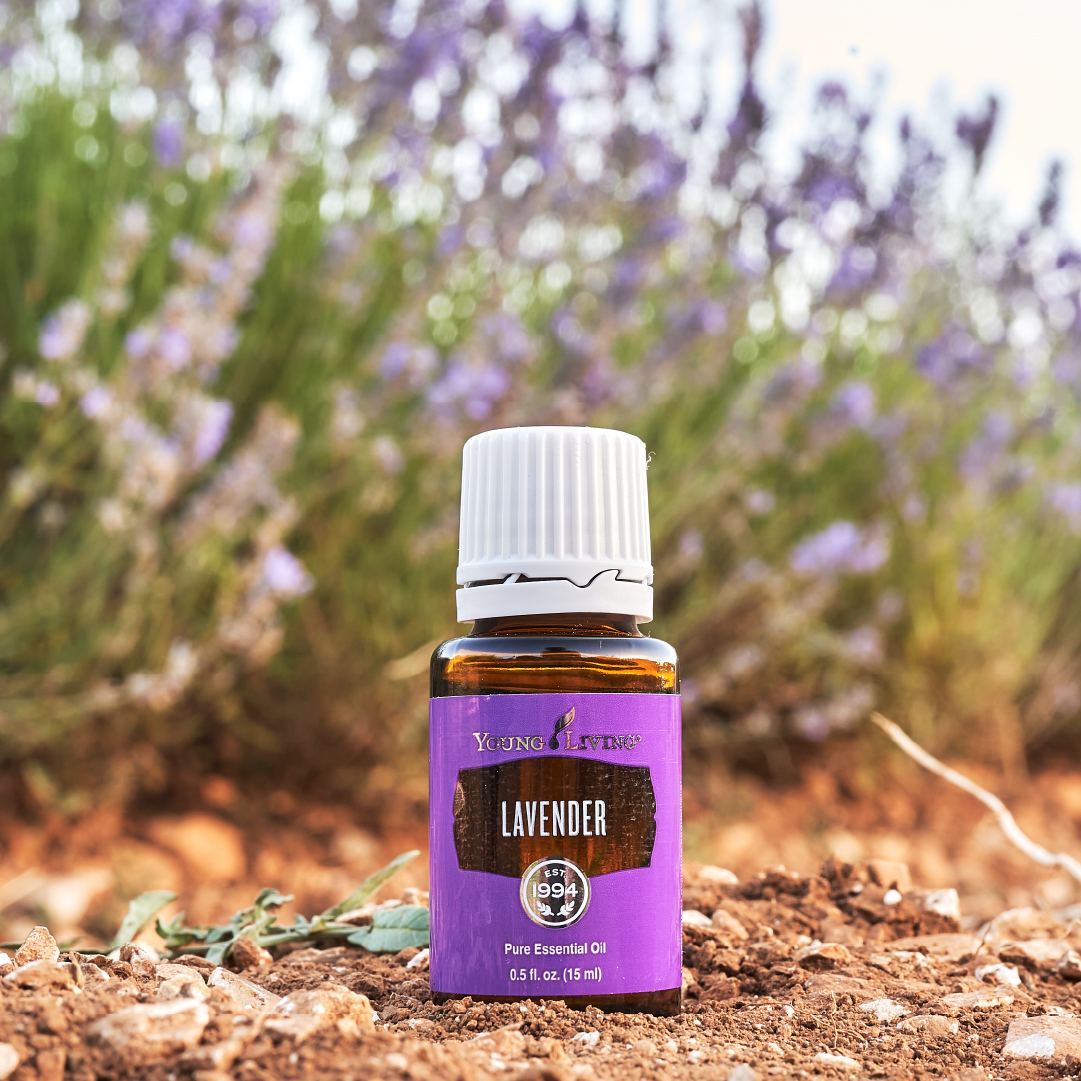
botella de aceite esencial de lavanda

El maravilloso mundo de las variedades de lavanda ofrece una sinfonía de aromas, colores y beneficios. Al comenzar su viaje con la lavanda, ya sea como acento en el jardín o como un hermoso aroma floral para su hogar, lo invitamos a explorar las diferentes variedades de esta planta perenne.

Adopte una vida saludable: ¡Cómo comenzar una vida limpia* hoy! | Blog de vida joven

¿Alguna vez te has preguntado cómo podrías empezar una vida limpia? Bueno, buenas noticias: no da tanto miedo como parece. No es necesario que revises completamente tu vida para empezar a vivir limpio. Hay pequeños pasos que puedes dar para implementar los cambios poco a poco. Con el tiempo, estos pequeños cambios marcarán una gran diferencia en su salud y bienestar general. Tu contenido va aquí.

una pareja usa productos de vida limpia en casa

El estilo de vida limpio se centra en un estilo de vida saludable y ecológico. Esto puede referirse a la adopción de muchos tipos de nuevos hábitos y comportamientos, como comer alimentos orgánicos, utilizar productos de limpieza naturales, elegir opciones de transporte ecológico e invertir en energía renovable.

Para algunos, una vida limpia consiste en realizar cambios diarios e incrementales en sus vidas y rutinas que tendrán un impacto positivo tanto en su salud como en el medio ambiente. Para otros, es un cambio completo de estilo de vida. Cualquiera que sea el enfoque de vida limpia que elijas, el objetivo es siempre el mismo: vivir una vida más sana y feliz en armonía con nuestro planeta.

Si está interesado en aprender más sobre una vida limpia, aquí tiene algunos recursos que le ayudarán a empezar:

Llevar un estilo de vida limpio tiene muchos beneficios, aunque es importante tener en cuenta que los beneficios que experimenta están relacionados con cómo vive ahora y qué cambios decide hacer. Cuantos más aspectos de su vida apliquen los principios de una vida limpia, más beneficios probablemente encontrará.

Quienes se han embarcado en el camino de una vida limpia asocian anecdóticamente los siguientes beneficios con los cambios que han adoptado:

  • Mejora de la claridad mental y el enfoque.
  • Mayor energía física
  • Digestión mejorada
  • Riesgo reducido de enfermedad.
  • Mejora de la calidad del sueño
  • Niveles de estrés reducidos
  • Mejora de la salud de la piel
  • aumento de la libido
  • Mejor sentido del olfato
  • Mayor sentido del gusto

madre e hija lavando la ropa juntas

Es como dar pequeños pasos. Hacer pequeños cambios en nuestras vidas puede resultar rentable más adelante en términos de salud general. Una de las primeras formas de empezar a vivir es tomando control de la forma en que trata su cuerpo: comiendo alimentos saludables y durmiendo, y gastando energía mediante ejercicio eficaz. Al comer sano, hacer ejercicio y dormir lo suficiente, podemos comenzar a vivir una vida más limpia que conduzca a una mejor salud física, mental y emocional.

Para llevar una vida limpia, uno de los pasos más importantes que puede tomar es establecer una dieta saludable. Esto significa comer alimentos nutritivos que ayuden a su cuerpo a funcionar de la mejor manera. A menudo es difícil saber qué alimentos son adecuados para usted, pero aquí hay algunas pautas generales que puede seguir.

  1. Come muchas frutas y verduras.

Si la nutrición fuera un deporte, las frutas y verduras serían un jonrón y un touchdown. Repletas de vitaminas, minerales y antioxidantes, son esenciales para una buena salud y nutrición a largo plazo. La mejor manera de lograr sus objetivos dietéticos saludables es intentar comer un arco iris de colores para obtener el mayor beneficio.

  1. Incluya proteínas magras en cada comida.

Su cuerpo no puede producir proteínas por sí solo. Además, la proteína te ayuda a sentirte lleno por más tiempo y al mismo tiempo le proporciona a tu cuerpo los componentes básicos que necesita para seguir funcionando correctamente.

  1. Incluye grasas saludables en tu dieta.

Las grasas saludables son importantes para mantener la sensación de saciedad, además de ayudar a la producción y el equilibrio hormonal. A veces puede resultar difícil saber qué es una grasa saludable y qué es una grasa mala. Buenas fuentes de grasas saludables incluyen el aceite de oliva, los aguacates, las nueces y las semillas.

  1. Limite su consumo de alimentos procesados ​​y azucarados.

En el juego de la dieta, estos son castigos, yardas perdidas y ponches, ¡así que mantenlos al mínimo para permanecer en el juego! Los alimentos procesados ​​y azucarados aportan calorías vacías, lo que puede provocar aumento de peso y otros problemas de salud en el futuro. Así que, si eres goloso, tendrás que esforzarte mucho para controlarlo.

Siga estas pautas generales para establecer la dieta saludable que sabe que su cuerpo anhela y que le ayudará a rendir al máximo. Comer alimentos nutritivos es una parte importante de un estilo de vida limpio, así que asegúrese de concentrarse en tomar decisiones saludables.

Todo el mundo sabe que el ejercicio regular es bueno para la salud. El problema es encontrar el tiempo o la motivación para hacerlo. ¿Suena familiar? Si estás atrapado en una rutina de fitness como tantos otros, puede que sea el momento de crear un plan de fitness que funcione para ti.

La mejor manera de comenzar su plan de acondicionamiento físico es encontrar una actividad que le guste hacer y luego seguir con ella. Si odias correr, no te fuerces a correr sólo porque es ejercicio. Puede que sea bueno para usted, pero puede que no sea adecuado para usted. Hay muchas otras opciones para elegir, ¡así que encuentre algo que espere con ansias! Una vez que haya descubierto ese factor de «diversión», es hora de establecer metas.

Los objetivos de acondicionamiento físico, como todos los buenos objetivos, deben ser específicos, mensurables, alcanzables, relevantes y con plazos determinados. En otras palabras, no establezca una meta como «perder peso». Profundice y sea más específico. Un objetivo más eficaz sería algo como «perder 10 libras en 3 meses».

Ahora que tienes tu objetivo, es hora de elaborar tu plan. Empiece por encontrar un momento en el que pueda hacer ejercicio con regularidad. Solo asegúrese de programarlo en su semana como lo haría con cualquier otra cita. Si necesita ayuda para encontrar tiempo, piense en formas de realizar minientrenamientos a lo largo del día. Por ejemplo, puedes hacer un entrenamiento de 20 minutos por la mañana antes del trabajo y uno de 30 minutos por la noche después de cenar.

Finalmente, si tienes poco tiempo, a veces es fácil olvidar lo básico, como calentar antes de hacer ejercicio. Asegúrese de estirar y calentar antes de su rutina de ejercicios y luego enfriar después. Un calentamiento adecuado ayuda a prevenir lesiones y un enfriamiento ayuda a que los músculos se recuperen.

Siga estos consejos y estará en camino de crear un plan de acondicionamiento físico que funcione para usted. Antes de que te des cuenta, te sentirás más saludable que nunca.

Vivimos en una era moderna en la que hay tantas sustancias químicas en nuestros alimentos y hogares que pueden ser perjudiciales para nuestra salud. Para vivir un estilo de vida más saludable, reduzca su exposición a estas toxinas. La clave para esto es encontrar sustitutos adecuados para estos productos que vienen con largas listas de ingredientes y químicos agresivos.

Una forma de evitar químicos tóxicos en nuestros alimentos es comer productos orgánicos. Los alimentos orgánicos se etiquetan como «orgánicos» cuando se cultivan sin pesticidas, herbicidas o fertilizantes sintéticos. Tampoco está modificado genéticamente. Comer alimentos orgánicos puede ayudar a reducir la exposición a sustancias químicas nocivas. Busque alimentos que estén certificados como orgánicos y libres de pesticidas, herbicidas y otros químicos. Cuando sea posible, compre productos orgánicos locales. De esta manera, no sólo contribuye a un estilo de vida más saludable, sino que también apoya prácticas agrícolas sostenibles.

La limpieza es otra forma en que los químicos ingresan al hogar. También puede evitar los productos químicos agresivos en su hogar al deshacerse de sus limpiadores habituales cargados de químicos y cambiar a productos de limpieza con ingredientes de origen natural. Muchos productos de limpieza convencionales contienen sustancias químicas nocivas que se liberan al aire cuando se utilizan. Puede inhalar estos químicos o absorberlos a través de la piel. Elija productos de limpieza naturales con ingredientes que sean seguros para usted y el medio ambiente.

Además de vigilar lo que come, mejorar su ejercicio y cambiar y deshacerse de productos limpios, aquí hay algunas formas más de vivir un poco más limpio.

  1. Filtra tu agua

Eres lo que comes – ¡y más aún lo que bebes! Otra forma de reducir su exposición a toxinas es filtrar el agua. Esto elimina las impurezas y los químicos dañinos, lo que hace que beber sea más seguro. Si miras, encontrarás que hay una variedad de filtros de agua en el mercado. No será difícil encontrar uno que se adapte a tus necesidades.

  1. Evite el plástico

El plástico es una de las fuentes más comunes de toxinas en nuestro medio ambiente. Evita al máximo el uso de plástico y busca alternativas hechas de vidrio, metal u otros materiales sostenibles.

  1. Desintoxica tu hogar

Muchos de los productos que utilizamos en nuestros hogares están llenos de productos químicos agresivos. Para crear un hogar más desintoxicado, cambie a productos de limpieza y cuidado personal naturales. Muchas marcas importantes ofrecen alternativas no tóxicas pero eficaces a los productos domésticos convencionales.

  1. Consigue algunas plantas

Las plantas no sólo embellecen tu hogar, sino que también ayudan a purificar el aire. Algunas plantas son particularmente efectivas para filtrar toxinas y mejorar la calidad del aire interior. Algunas de nuestras plantas favoritas incluyen el bambú, el aloe vera y las plantas de serpientes.

  1. hacer deporte al aire libre

Pasar tiempo al aire libre es excelente para su salud física y mental. Sin embargo, es importante conocer la calidad del aire en su área antes de hacer ejercicio al aire libre. Si la calidad del aire es mala, elija actividades en interiores.

  1. Usa fibras naturales

Muchas prendas están hechas de materiales sintéticos que pueden liberar toxinas al aire. Para evitarlo, elige ropa confeccionada con fibras naturales como el algodón, la lana o el lino.

mujer bebiendo un batido verde saludable

Al considerar los cambios en el estilo de vida, pueden resultar abrumadores al principio. Por lo general, no es malo mirar el panorama general, pero en este caso podría serlo. Deja de mirar el panorama general. Vea los pequeños cambios y cambios que tendrán un impacto pequeño pero significativo en su dieta, ejercicio, limpieza y estilo de vida. Comience con reemplazos de comidas simples y cocine en casa con más frecuencia. Realice una caminata corta todos los días, algo pequeño para el cuerpo y la mente.

A medida que se sienta más cómodo con estos pequeños ajustes en su estilo de vida para una vida limpia, los cambios futuros serán mucho más factibles. Adáptese a los grandes cambios, como volverse totalmente orgánico o eliminar por completo los alimentos procesados, y verá cuán capaz es y cuán fácil puede ser una vida limpia.

*Nos esforzamos por utilizar Young Living Clean™, ingredientes de origen sostenible y resistentes a productos químicos agresivos. Descubra nuestro puro compromiso en SeedtoSeal.com.

Champú seco casero fácil de usar: ¡refresca tu cabello en casa! | Blog de vida joven

El cabello graso entre lavados es un fastidio (lo entendemos), pero los champús secos disponibles en el mercado suelen ser demasiado caros o estar cargados de productos químicos agresivos. No temas, tenemos el truco para el cabello definitivo para ti: ¡Champú seco DIY! Con solo unos sencillos pasos e ingredientes naturales, puedes decir adiós al cabello azul graso y saludar a tu champú seco casero, dejando tus mechones con un aspecto impresionante y fresco como si me despertara así.

Cuando te olvidas de los productos comprados en tiendas con químicos agresivos y precios altos, tienes control total sobre los ingredientes y puedes personalizarlos para adaptarlos a las necesidades de tu cabello. Además, ¡es económico!

¿Tienes curiosidad por saber cómo hacer tu propio champú seco casero en casa? Sigue leyendo y te guiaremos paso a paso por el proceso.

A medida que comienza a aprender sobre los champús secos caseros, aquí hay algunas cosas clave que debe tener en cuenta: DIY Dry ​​​​Shampoo 101:

  • El champú seco casero es una solución conveniente y rentable para refrescar el cabello entre lavados.
  • Hacer tu propio champú seco te permite evitar productos químicos agresivos y adaptar los ingredientes a tu cabello.
  • Hacer champú seco casero en casa es increíblemente fácil y solo requiere unos pocos ingredientes simples.
  • Una vez que hayas terminado, puedes aplicar tu champú seco en las raíces y áreas grasas de tu cabello. Masajéalo y cepilla o peina para distribuir el champú.
  • Puedes usar champú seco casero cuando tengas poco tiempo o cuando necesites un repaso rápido entre lavados.

Encontrarás muchas razones por las que usar champú seco casero es una excelente opción para tu cabello. Primero, le encantará cómo se siente en comparación con las opciones tradicionales compradas en la tienda. Uno de los más populares es tener control total sobre los ingredientes beneficiosos. Mientras preparas el champú seco, puedes evitar los productos químicos agresivos que pueden despojar al cabello de sus aceites naturales. En su lugar, puedes optar por ingredientes naturales que sean más suaves para el cabello y el cuero cabelludo.

El segundo gran beneficio del champú seco casero es su versatilidad. Puedes adaptar fácilmente la receta a las condiciones específicas de tu cabello. Si tu cabello es más graso, puedes ajustar la cantidad de ingredientes que ayudan a absorber el exceso de grasa y mantener tu cabello fresco. Si tu cabello está más seco o teñido, puedes agregar ingredientes que aporten humedad y protejan el color de tu cabello.

Por último, hacer tu propio champú seco es económico. Aunque no se puede poner precio al cuidado del cabello, en lugar de gastar dinero en opciones costosas compradas en la tienda, puedes utilizar ingredientes domésticos comunes para crear un champú seco eficaz. Esto le ahorra dinero y garantiza que siempre tendrá un suministro de champú seco cuando lo necesite.

Entonces, ¿cómo se hace el champú seco en casa? Te sorprendería lo fácil que es preparar tu propia tanda con unos pocos ingredientes que puedes encontrar en casa.

  • maicena: ¿Quién no tiene maicena a la mano? Este polvo ayuda a absorber el exceso de grasa y añade volumen a tu cabello.
  • Polvo de cacao: Este ingrediente es perfecto para las morenas porque combina perfectamente con los colores de cabello más oscuros.
  • aceites esenciales: Pueden proporcionar una variedad de beneficios más allá de una fragancia personal tentadora. Muchos aceites ofrecen beneficios para el cuidado del cabello, como calmar el cuero cabelludo, añadir un poder limpiador adicional o aumentar la hidratación. Si recién estás comenzando a agregar aceites a tu régimen de cuidado del cabello, te recomendamos comenzar con aceites esenciales de árbol de té, romero y madera de cedro.

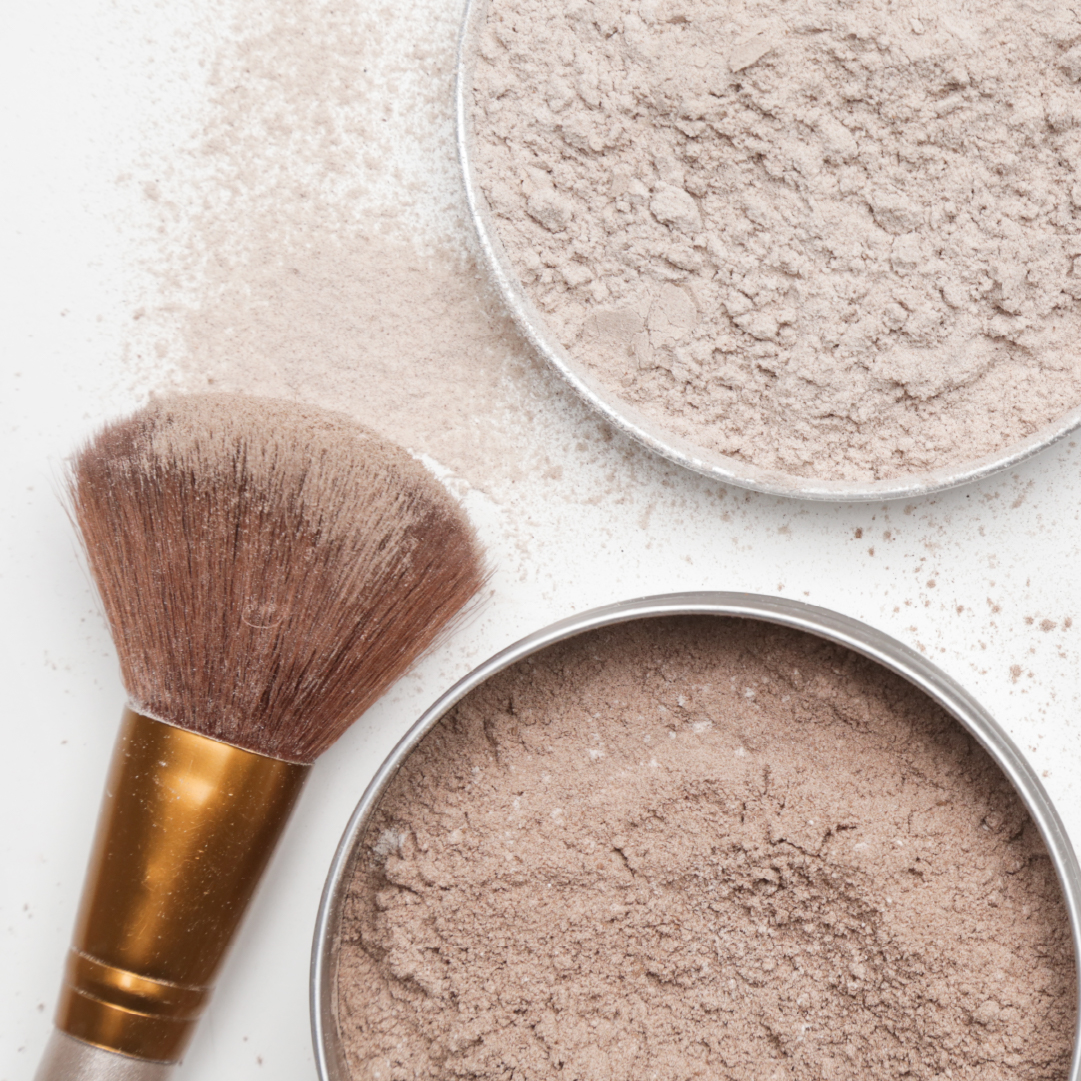
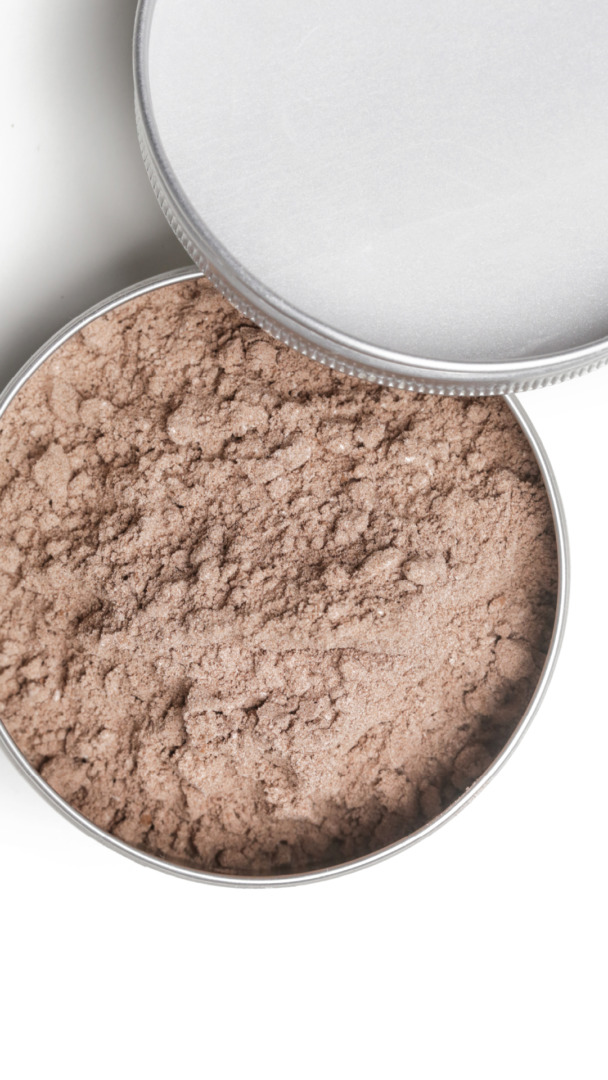
champú seco en un recipiente

Aquí tienes la receta casera de champú seco más fácil que puedes preparar en poco tiempo.

  • Nivel 1: Comience reuniendo los ingredientes que enumeramos anteriormente.
  • Paso 2: Mezcle un cuarto de taza de maicena con una cucharada de cacao en polvo (para las morenas) o déjelo solo para las rubias o con cabello más claro.
  • Paso 3: Agrega unas gotas de tu aceite esencial preferido y mezcla bien.
  • Etapa 4: Transfiera la mezcla a un recipiente limpio con tapa o use una botella mezcladora para una fácil aplicación.

mujer de cabello oscuro aplicando champú seco

A medida que te vuelves más experto en el uso de champú seco casero, hay algunos trucos que debes recordar, especialmente cuando se trata de fijar el polvo para tu champú casero:

  1. Empieza pequeño: Comienza aplicando una pequeña cantidad de champú seco en tu cabello. Siempre puedes agregar más si es necesario, pero usar demasiado puede dejar un residuo de polvo no deseado. Una brocha limpia utilizada para aplicar la base o el rubor puede ser una manera fácil de distribuir el polvo.
  2. Centrarse en las raíces y las zonas grasas: Concentra la aplicación de cualquier champú seco en las raíces y zonas del cabello que tienden a engrasarse.
  3. Masajear en el cuero cabelludo: Después de aplicar el champú seco, masajee suavemente el cuero cabelludo. Desea lograr una distribución uniforme del producto para que pueda absorber el exceso de grasa.
  4. Cepilla o peina: Utiliza un cepillo o peine para eliminar los restos de polvo y distribuye el champú seco por todo el cabello. ¡Esto asegura que el producto se distribuya uniformemente y esté listo! Tu cabello luce fresco, limpio y listo para sorprender.

Recuerda, el champú seco casero es una excelente opción cuando estás entre lavados o tienes poco tiempo. Después de todo, un poco de champú seco puede proporcionar una renovación rápida y conveniente hecha especialmente para tu cabello.

Heavy Metal Detox – Vibrant Blue Oils

A heavy metal detox aims to remove heavy metals from your body.  Excess metals have been found to lie at the root of many symptoms of chronic illness, including autoimmunity, headaches, tinnitus, neuropathy, Hashimoto’s, cognitive dysfunction, sleep disorders, depression, anxiety and even autism, and degenerative diseases, like Parkinson’s and Alzheimer’s.

Heavy metals penetrate the cells and accumulate in the tissues of your brain, organs, and bones, where they can remain stored for years, silently bound in your tissues, disrupting cellular function, and contributing to chronic inflammation and neurological illness.  

Heavy metals can also impair immunity, damage the kidneys, liver, lungs, thyroid and the brain. They can poison your organs, disrupt our digestive system, and leave you more susceptible to illness and disease.  In the central nervous system, heavy metals can cause both mental disorders and degenerative neurological disorders. 

Essential oils, with their unique ability to access and heal the brain, have been playing a critical role in my heavy metal detoxification effort.


What Are Heavy Metals?

Heavy metals are chemical elements naturally found in the soil with high densities, or a gravity that is at least five times that of water.

Some heavy metals are beneficial for your health.  For example, iron, zinc, cobalt, and manganese help support liver function, regulate metabolism, and form red blood cells.  Other heavy metals, like mercury, lead, and aluminum, have no beneficial role in your body and are known to contribute to chronic disease.  A chronic, low-level exposure to heavy metals that are retained in the body may contribute to a vast array of adverse health effects and chronic disease.

Heavy metals can enter your body through your skin, inhalation, or ingestion.  Once inside your body, heavy metals reside in your tissues and bind to parts of your cells that interfere with homeostatic function.  In essence, they block receptors or take up a seat on the bus so that the appropriate enzyme, mineral, or hormone cannot perform its function.

For example, mercury is known to deplete the body of selenium, a vital nutrient required in the synthesis of thyroid hormone. Mercury has an affinity for the thyroid gland and affects the conversion of T4 to T3, resulting in high T4 with low T3 levels.   When there are high levels of mercury in your thyroid cells, your immune system may destroy healthy thyroid cells, resulting in Hashimoto’s thyroiditis.

Studies have shown that mercury can bind with cells in the gland and lead to an underactive thyroid, or hypothyroidism. Mercury is also linked to thyroid damage, autoimmune thyroiditis, and hormone function impairment. Associations between positive thyroid antibodies and total blood mercury have also been identified. 


Signs You May Benefit from a Heavy Metal Detox

Exposure to toxic heavy metals is believed to contribute to symptoms like low energy, mood disturbances and cognitive challenges, including: 

  • Brain fog, 
  • Memory and Concentration Difficulties 
  • Lethargy or Fatigue
  • Immune imbalances (overactive or underactive)
  • Skin irritation
  • Achy muscles and joints.
  • Hormone imbalance, excessive bleeding during menstrual cycles or infertility
  • Digestive issues
  • Mood swings, irritability, anxiety, and/or depression
  • Headaches
  • Multiple chemical sensitivity
  • Neurological disorders


How to Detoxify Heavy Metals?

I suffer from Hashimoto’s, an autoimmune thyroid condition that is linked to poor thyroid function which contributes to weight gain, dry skin, brittle nails and cold hands and feet.  I had long heard that Hashimoto’s is caused by mercury toxicity and Epstein Barr virus.  I had managed to keep Epstein Barr in remission and felt ready to tackle the heavy metal detoxification. 

What I didn’t realize was that heavy metals – like lead and mercury – do not show up in typical blood tests or hair mineral analysis.  They hide in the cells – often for decades – and only show up when provoked.   What this means is, you collect a sample of urine, then take a provoking agent, metal detoxification agent such as EDTA, DMSA or DMPS (I took dimercaptosuccinic acid – DMSA – capsules) to pull “hidden” heavy metals from deep tissue stores and mobilizing the metals to the kidneys for excretion in the urine.

After you ingest the chelating agent, you collect another urine sample which gives you a more accurate picture of the heavy metal burden currently stored in your body.  Once you understand what heavy metals are hiding in your tissues, you can work with a practitioner to safely mobilize and eliminate these harmful metals.  

A heavy metal detox can help remove accumulated heavy metals from your brain and nervous system. Your kidneys, liver, heart, lymphatic system, and respiratory system will also benefit from detoxification.

Just as you have to provoke heavy metals with chelation to assess your heavy metal burden, you also utilize chelation to mobilize toxins from your tissues.  Chelating agents remove heavy metals from the body by binding to metal molecules and allowing them to be sequestered, transported and excreted from the tissues in the urine.  You will want to work with an experienced practitioner to support chelation as different compounds have different affinities for specific metals and a trained professional can best guide you to the most appropriate chelation agent and binder.

Essential oils can also be used to help regulate your nervous system, open drainage pathways and support emotional and physical detoxification of heavy metals.


Can Essential Oils Chelate Heavy Metals?

While essential oils have many detoxification properties, I am not suggesting that essential oils be used to chelate metals from the body, but rather to help support the organs of detoxification and the detoxification pathways. In this capacity, essential oils can enhance the body’s own ability to remove heavy metals and other toxins.  For example, lipids make up 60-80 % of our central nervous system and any deficiency makes the nervous system susceptible to fat-soluble metals.  Essential oils are fat soluble and can help the nervous system maintain its resilience against metals.


5 Ways Essential Oils Support Heavy Metal Detoxification


1.    Open Blocked Detoxification Pathways

Toxins drain from the brain and the body through specific pathways.  For example, toxins draining from the brain exit via the neck pathways including the veins, lymphatic system, and nervous system.  When these pathways are blocked or overloaded with a combination of metals and infections, toxins can back up and accumulate and significantly impede our ability to detoxify.

More concerning, neurotoxins that linger in the neck channel due to blocked detoxification pathways can be absorbed by nerve endings, known as neuronal uptake, and travel inside the neuron, either via the spinal cord or the brainstem, back into the brain.

This can contribute to vagus nerve toxicity (Learn how to heal the vagus nerve HERE) and disrupt other functions of nerve cells, such as the transport of nutrients, mitochondrial respiration, and proper DNA transcription.

Similarly if other organs in the body are blocked or backed up, toxins get backed up as well.  Detoxification pathways function as a hydraulics system and the downstream pathways need to be open for the toxins to drain from the brain.   Toxins can also be reabsorbed by the abundant nerve endings in the intestinal wall and recirculate.

To help open detoxification pathways, consider the essential oils in the Vagus Nerve Kit™  – Parasympathetic™, Lymph and Fascia Release – along with Circulation™

LEARN MORE ABOUT DETOXIFYING THE BRAIN HERE: Detoxify the Brain with Essential Oils


2.  Support Organs of Elimination

Organs of elimination must be supported and working well before increasing the burden on them with a heavy metal detox effort.  By supporting the organ, you also help open the detoxification pathways and prevent drainage back up. The organs of detoxification include:

Liver™: The liver is the primary organ of detoxification. It filters toxins, like heavy metals, rom blood and neutralizes the toxins in preparation for elimination. The liver needs energy and vitality to keep up with the increased toxic burden.  Liver™ helps support optimal health and vitality of the liver and is ideal during a heavy metal detoxification or any kind of digestive repair effort that might release extra toxins (like yeast die-off).  Apply 2 to 3 drops of Liver™ directly over the liver (right side of the body, under the breast) two to three times daily. The blend is especially helpful when applied before sleep during a detoxification effort as so much of the liver’s work occurs while we are sleeping.

Gall Bladder™: The gallbladder stores and concentrates bile which helps us emulsify fat for digestion and carries toxins and old hormones out of the body. Ideally, the gallbladder releases bile into the small intestine where it breaks down the fat for the body to absorb, before being eliminated from the body in the stool. When we eliminate the bile, we eliminate toxins with it.  Unfortunately, stress, toxicity, hormones, or diets too low or too high in fat can make the bile thick, viscous, and stagnant which impedes its ability to flow both to the small intestine and out of the body.  If toxins, do not exit the body, they can be reabsorbed, further adding to the body’s toxic burden and contributing to hormonal imbalances and gallbladder challenges. Applying Gall Bladder™ on the right side of the body under the bra under-wire or along and slightly under the right rib cage two to three times daily may help support optimal flow of bile.

Kidney Support™:  The kidneys play a vital role in detoxification, regulating the flow and balance of fluids in the body, filtering the blood, and helping remove waste from the body through urination.  In Chinese medicine, the kidneys are considered the seat of courage and willpower. They control the volume, composition, and pressure of fluids in all the cells. Blood flows through the kidneys at its highest pressure, filtering out toxins and directing nourishing materials to where they are needed.  Kidney Support™ applied over the kidneys (lower back, size of a fist starting at bottom rib), over the forehead or around the outside of earlobes can help support the kidney’s ability to release toxins.  It also helps to support the kidneys with electrolytes. Electrolytes, particularly sodium, help to transport the toxic waste through the extracellular space in the direction of lymphatic and venous vessels, which helps the kidneys maintain normal fluid levels.  I like the brand Matrix Electrolyte.  Binders also help protect the kidneys by routing the majority of the toxins out through the gastrointestinal system in the feces, rather than excreting them through the kidneys in the urine.  

READ MORE ABOUT THE BINDERS HERE : 3 Detox Mistakes to Avoid

Lymph™: The lymphatic system removes toxins from every cell in the body. It works as the body’s septic system, removing the byproducts and wastes created from metabolizing nutrients. Just like the drains in your home, the lymphatic system can get congested and stagnant, and toxins can build up. The more you can help the lymph fluid flow, the more quickly you can move toxins out of the body.  Attempts to detoxify the body when the lymph system is congested often lead to detox and healing reactions. The lymphatic system helps remove toxins, excess fluid, and waste products from the cells and the interstitial spaces between the cells.

Unlike the cardiovascular system, the lymphatic system does not have a central pump—it only moves as the muscles squeeze it along. So the lack of movement makes the lymphatic system stagnant, with waste accumulating and excessive toxins building up.  Lymph™ blend helps keep lymph flowing to move toxins out of the body. Liberally apply 2 to 3 drops of Lymph™ to both sides of the neck, the lymph nodes under the arms, over the clavicles, and around the inguinal ligament (bikini line area—think where your leg creases when you lift it) to ensure optimal drainage and health.

Skin:  Our skin is our largest organ and can be a powerful channel for sweating out toxins either in a sauna or an Epsom salt bath.  The addition of Parasympathetic™ oil can further increase heat levels, which will help you to sweat out toxins. Learn more about healing baths and essential oil combinations HERE.

READ MORE ABOUT OPENING DRAINAGE PATHWAYS HERE : Open 10 Detoxification Pathways with Essential Oils

3. Support Emotional Detoxification

When you start detoxify heavy metals that are buried deep in the cells, you may also release emotions stored deep in the cells, especially negative and intense emotions like anger and sadness.  I suspect that when you release physical toxins and allow them to flow out of your body, it is not just fluids that are moving, but trapped emotional energy as well.   Essential oils are powerful tools to help you process and detoxify the heavy emotions.

Fascia Release™: Toxins and emotions are stored in the fascia.  When trauma occurs, whether physical, mental, emotional, or a combination of these, people respond with a flight-fight or freeze response.  It is believed that the “freeze response” in fascia is what keeps memories stuck and prevents you from fully moving forward and naturally healing from a traumatic event.

Releasing the fascia physically can bring up emotions stored in that area from the original trauma.  Essential oils are a powerful tool to help “unwind” your fascia to move your mind and body out of a “frozen” traumatized state, gently releasing restrictions in such a way that your body does not have to protect itself.  Essential oils can both help to emotionally signal your body that you’re “safe” and physically remove restrictions, rehydrate the fascia, restoring elasticity, and widening the space between the fibers to improve circulation and help blood and oxygen flow smoothly around the body again.

Oils are able to penetrate deeply into your body through your fascia.  Fascia lies just below the skin so topically applying essential oils onto the skin allows for easy and immediate access to the fascia.  The skin is your largest organ and is relatively permeable to fat-soluble substances like essential oils.

Topical supplements play an important role in supporting fascia health and recovery from inflammation. For example, essential oils easily penetrate layers of restricted fascia, creating warmth to break up congestion, increasing circulation, lymphatic drainage and mobilizing adhered tissue.

Essential oils soften the myofascial tissue, allowing the deep and constrained tissue to stretch and move as it is designed to function.

The essential oils in our Fascia Release™ blend are uniquely formulated to simultaneously work on physical and psychological levels, working quickly to break down inflamed, fibrous tissue, removing toxins while unraveling deeply held tensions, constrictions and energetic blockages in your tissues to reduce pain, improve blood and lymphatic circulation and release fear, repressed emotions, and tension held in the body (organs, muscles, tendons, bones and joints) or the mind.

They support the body by creating homeostasis, bringing vitality and energy to the overall system, removing toxins inside and outside the cells, thus bringing the communication network back online. They are also safe and gentle enough to be used with infants, children, elderly patients, and even your pets.

READ THIS NEXT: Essential Oils for Fascia Release

Heart™: Similarly, the scent has direct access to the emotional center of your brain that controls your hormones and influences your emotions and your mood, known as your limbic system.  On a physical level, only two synapses separate your amygdala from your olfactory nerve.  No other sensory system has this kind of direct and intense contact with the neural substrates of your brain’s emotional control center.  Your other four senses, including sound, sight, taste, and touch must travel to other regions of the brain first, before reaching your limbic system.

This makes essential oils an incredibly powerful tool for calming the intensity of your emotions, allowing you to chunk the release so that it feels more manageable.  In this way, essential oils help you control the duration of challenging emotions like anger, fear, and sadness – releasing just a small amount of the intensity at a time, much like you would slowly and carefully unscrew the top of a carbonated beverage to gently release excess carbonation and avoid an explosion.

For example, Heart™ balances the heart to enhance compassion and support, integrate and reset all the systems of the body, including supporting feelings of open-heartedness, expansiveness, and receptivity while mitigating loneliness, sadness, and grief. The heart integrates and balances the physical, emotional, and mental body, providing blood to every cell and every organ.  It also serves as a complex information processing center, influencing brain function, the nervous system, the hormonal system, and most of the body’s major organs.

I recommend inhaling essential oils and gently releasing intense emotions with your exhale as a powerful strategy to allow you to micro-dose emotional release.   Essential oils and the sense of smell allow you to activate and release intense emotions and sensations over brief durations – providing a small amount of stimulus to engage your body in releasing the pain without flooding and shutting down your system or keeping you stuck in denial.  Just place the bottle under your nose and breathe deeply, fully inhaling the oil for 3 – 7 breaths. It helps you breathe into and work through the emotion.  Try to extend the exhale and really allow yourself to release the painful emotion and any associated pain and intensity.

You can also apply 2-3 drops of Heart™ directly over the heart (left side of the chest) to balance the heart and support, integrate, and reset all the systems of the body, including mental clarity, physical health, and emotional balance. The Heart™ blend also supports feelings of open-heartedness, expansiveness, receptivity while mitigating loneliness, sadness, and grief.

During times of intense sadness, use as often as needed (every 20 -30 minutes).  During times of normal stress, use 2-3 times daily to calm and uplift the heart and the body.

Liver Support™ for Anger

Anger that we don’t process and release can get stored in your liver, according to Chinese medicine.  Any stagnation, congestion, or compromise in the healthy function of your liver allows toxic chemicals to build up and accumulate in your body.  Frustration, rage, and anger tend to build up when toxins build up.

Liver Support™ helps support the release of anger, including frequent irritation, impatience, resentment or frustration, being critical of yourself or others, control issues, an inability to express your feelings, feelings of not feeling heard, not feeling loved, not being recognized or appreciated. Just place the bottle under your nose and breathe deeply, fully inhaling the oil for 3 – 7 breaths.  It helps you breathe into and work through the emotion.  You can also apply it around the ankles as this is often an area where we hold resistance to moving forward in life and block the ability to receive joy and pleasure.  Start at the back of the ankle and apply under the ankle bone around to the front and back under the other ankle bone, all while allowing yourself to release challenging emotions.

FOR MORE TIPS ON DETOXIFY EMOTIONS READ THIS ARTICLE : Introducing Emotion Balance Blends

READ THIS NEXT: 5 Essential Oils for Anger Management

Lung Support™ for Sadness

Lung Support™: Toxins in the bloodstream can be exhaled through the lungs. The lungs are sponge-like organs located near the backbone on either side of the heart, that play a key role in detoxification. They function as a fundamental source of life energy –transporting oxygen from the atmosphere into the capillaries so they can oxygenate blood – as well as an important channel of elimination – releasing carbon dioxide and other toxins from the bloodstream into the atmosphere. Applying 2 -3 drops of Lung Support™ over the lungs can help release toxins.

In addition, improved circulation can help the lungs function more efficiently, which promotes detoxification.  Applying 2 -3 drops of Circulation™ over the lungs (especially over the left clavicle), on the sides or back of the neck, on the wrists or ankles to support healthy circulation and help eliminate toxins and waste.

READ THIS NEXT: Emotional Detox Support

The gut serves as both a major organ of detoxification – where toxin-filled bile dumps into the small intestine for elimination via your stool — and a potential breeding ground for pathogens that feed on the toxins that are not eliminated.  It is important to take binders during a heavy metal detox to ensure that mobilized heavy metals and other toxins leave the body.

Heavy metals serve as a source of food for viruses, bacteria, parasites, and other pathogens in our bodies, including yeast.  Consequently, yeast and parasites thrive in an environment with high metal toxicity and it is important to address these pathogens as part of a comprehensive heavy metal detoxification strategy. When pathogens feed on heavy metals, they produce a waste product (biotoxins) that contributes to gut dysbiosis and wreaks even greater havoc on the central nervous system.   For this reason, you always have to balance killing of infections with clearing of toxins

Heavy metals can also promote inflammation in the digestive tract, releasing poisons into our gut as well. Small intestine inflammation can slow down the detoxification and backlog the toxins contributing to re-toxification.  If you mobilize more toxins than the body can eliminate, toxins can flood the connective tissue and get into places where they can cause additional damage.  For example, a tremendous amount of lymph resides in the gut that can easily become overwhelmed and congested. If the gut isn’t draining, then essentially, the extremities can’t drain, as well. It is therefore important to get the lymphatic waste clearance system moving to release heavy metals.

Heavy metals in combination with other toxins can also throw off the balance of a healthy gut microbiome – your mini-ecosystem of microorganisms like healthy gut flora – which play a critical role in detoxifying heavy metals. The popular herbicide glyphosate has been found to compromise the gut microbiome so certain pathogenic bugs can convert mercury into the more dangerous into more methylated mercury form.  It is therefore important to detoxify heavy metals in combination with restoring gut microbiome. The effect of pre- or probiotics without detoxification of the environment falls flat.

During the treatment of germs, neurotoxins and heavy metals or other toxins are freed that were stored in the microorganisms (in particular parasites and fungi). Therefore, a good detoxification protocol must be implemented parallel to the antimicrobial program. The Gut Repair Kit™ and Small Intestine Support™ can help support the gut. 

LEARN MORE ABOUT HEALING THE GUT HERE : How to Heal a Leaky Gut in 5 Simple Steps

In addition to triggering gut inflammation, heavy metal toxicity can trigger inflammation by throwing off the balance between omega-3 and omega-6 fatty acid conversion pathways in cellular membranes.  Heavy metals can also oxidize, causing damage to surrounding tissue and promoting inflammation.

Similarly, inflammation occurs when bacteria break apart the cells in our body to get the food they need.  If you interrupt this inflammatory response, you stop the cellular breakdown so the bacteria cannot get any nutrients from the host, in essence taking away the environment that the bacteria need to survive. Essential oils like Anti-Inflammatory™ can help calm inflammation.

LEARN MORE ABOUT ESSENTIAL OILS TO CALM INFLAMMATION HERE : How to Calm Brain Inflammation

Ready to get started? Click the links below to order today:


Essential Oils to Help Navigate Toxic People

After Max died, I had to clean the house of toxic people (including a formerly close friend) who I recognized were not only not rooting for me, but actively undermining me during a particularly challenging time.  

One of my colleagues once described their gratitude practice as finding someone whose life sucked more than yours and being grateful that you aren’t them.  For the record, I don’t share that opinion.  I root for everyone.  But that viewpoint helped me understand why certain individuals seemed to kick me when I was down.  If I was their avatar of someone whose life sucked more than theirs, it makes sense that when I was having a good day or things were going well for me, they might want to undermine me in order to keep me down so that they could continue to feel better about their own life.  

For example, when I was having a good day or a good week, this one friend would literally show up uninvited and immediately catastrophize and invent farfetched scenarios that she would encourage me to worry about.  It was exhausting and unsustainable, so I cut ties.  

Like many toxic people, she continues to ignore my boundaries and recently attempted to manipulate and triangulate with my daughter, prompting me to revisit and share essential oils that I continue to find helpful for navigating toxic people.

Toxic people often display toxic traits – including being competitive, judgmental self-serving, manipulative, emotionally abusive, and lacking in empathy – that cause conflict, stress, difficulty, unpleasantness along with emotional or physical health consequences. 

A toxic person is anyone whose behavior adds negativity and upset to your life.  Common behaviors of toxic people include constant criticism, undermining, gaslighting, passive-aggressive behavior, and a need for power and control. Interestingly, when and if you attempt to call this behavior to their attention, a toxic person often flips the script, avoiding any responsibility for their actions and instead cast themselves as the victim and criticize or blame you as unappreciative or unkind.

Toxic people can be emotionally exhausting and physically draining.  For me, it was really painful to realize that the people that were supposed to be your biggest cheerleaders, were actually attempting to undermine and root against you.  Here are some warning signs to watch out for if you suspect you’re dealing with a toxic person:

Judgmental and Critical:  Toxic people look at the world through a very rigid lens of negative and self-serving opinions which tend to lack empathy, compassion or support.

Need to be Right: Toxic people struggle to admit when they’re wrong, possibly because recognizing that they made a mistake or hurt another person is too threatening to their ego.  Instead, they often justify their behavior, deny your perspective or project their weakness or shame onto you.

Lack of accountability:  Toxic people always prioritize their sense of self above all else. They’ll never own up to their mistakes or take responsibility for their actions, so they will often deflect blame or diminish any concerns.

Always the Victim:  Since they can’t be wrong, toxic people will often default to being the wronged party.  When challenged, toxic people experience the challenge as an accusation or attack, and may shift into a self-pitying, woe-is-me attitude to generate sympathy or attention, and let them off the hook.

Leave you feeling drained and diminished: After spending time with toxic people, you may feel vaguely “icky” with less physical and mental energy — as if you’ve been contaminated by their negative presence or comments.  This was a big clue for me.  Whenever I am in the presence of a toxic person, I notice that I cannot wait to leave and that my energy and optimism dip dramatically in their presence as if their negativity directly impacts my energy and mood. 

Competitive: underlying feeling of competitiveness, if a friend or lover isn’t able to celebrate you – and your successes shut it down or get defensive and blame you.

Disrespect Boundaries: Toxic people struggle to honor your limits and may instead challenge, negotiate, and violate your boundaries in order to maintain their access.

MORE ON BOUNDARIES HERE: Boundaries and Peer Pressure

Manipulative or Controlling:  Toxic people often use guilt and shame to manipulate or control.  They may insult or undermine you to slow or sabotage your progress.  They may exploit your vulnerabilities and emotions to maintain control and the upper hand in the power struggle of your relationship.

One-Sided Relationships:  Toxic relationships often feel a bit parasitic in that they are all take and no give.  Toxic people prioritize their own needs – time, money, energy, attention, affection, convenience – and offer very little. 

Very Negative:  Toxic people see the world through a negative lens.  They frequently complain, never share your joy and often yuck your yum or downplay your successes!

Gossip:  Toxic people often do not keep your confidences confidential.  They may diminish you behind your back or share things with others that you assumed they would keep in the vault. 

Angry or Aggressive: You may feel like you are walking on eggshells with a toxic person who uses force, intimidation, or hostility to assert dominance or control over you.  Aggressive or angry behavior can manifest physically, verbally, or emotionally. It involves lashing out, threatening, or causing harm.

Competitive:  Toxic people have a heightened level of self-interest, and a need to showcase their own greatness to receive affirmation.  They may throw you under the bus, sabotage or diminish you, or discredit you in front of others in order to reposition you further down in the social rank, they feel better about themselves in comparison.

Triangulate:  Toxic people may surround themselves with enablers or triangulate and bring a third person into your conversation or relationship in order to manipulate you and remain in control.  For example, they may use “flying monkeys” to check in on you and micro-manage you.

High Maintenance:  Toxic people tend to prioritize their needs and ignore your needs.  To this point, they always seem to need something from you, be it constant phone calls, texts, or showing up at your door.  They tend to use all the oxygen in the room and often are not as supportive of you in return.

High Drama: Toxic people thrive in dramatic situations. They inflame emotions and create conflict. They love stirring the pot to see what happens. 

While you cannot change other people, you engage in supportive measures to help you value yourself and surround yourself with people who truly value you.  

Essential oils can be powerful tools to help you work through your own feelings and emotions that may come up when dealing with toxic people, including anger, frustration, self-doubt, or any of the negativity that you may unintentionally pick up from negative people.  

Essential oils are a great tool to help you stay in integrity and reduce the toxic impact of toxic people.  This has to do with the fact that your sense of smell links directly to the emotional control center of your brain known as the amygdala, where emotions and emotional memories are stored.  This means inhaling essential oils can support healthy emotional responses even when interacting with the most toxic of people.

Your sense of smell is the only one of your five senses that is directly linked to this unconscious area of your brain, known as your limbic lobe, making the sense of smell and the tool of essential oils the most direct path to healing emotions like blame, shame, and guilt.

Essential oils inhaled through the nasal passageways enable immediate access to the regions of the brain that house these intense emotions like anger and rage so we can integrate and release them. The word “emotion” can be translated as “energy in motion.” Emotion is the experience of energy moving through our bodies. This emotional energy actually works at a higher speed than thought and essential oils can help us clear the energetic residue of blame so it doesn’t remain in our thought patterns, negatively impacting your energy field or your health.

My go-to essential oils for helping to diffuse the toxicity of toxic people are:

  1. Parasympathetic to Control Your Reaction to the Toxicity

Other people’s toxic traits are often a reflection their own struggles and insecurities, and do not have anything to do with you. You cannot control anyone else’s toxic behavior.  You can only control your own actions, self-esteem, and mental health. 

When you are triggered by toxic people, it turns on your body’s dangerous “fight or flight” response and activates your sympathetic nervous system which makes it hard to think clearly.

Your sympathetic nervous system prioritizes survival and literally stops all resources that are being used for anything that is non-essential for survival – including your mental problem-solving abilities – as not to overwhelm you with options and compromise your ability to hyper-focus and fight or flee from danger.

When your sympathetic nervous system is active, you release stress chemicals like cortisol and adrenaline that narrow your focus and dampen creativity and problem-solving potential to keep you on high alert and ready for intense physical activity. 

Your parasympathetic nervous system does the opposite – helping you feel safe and turn on your ability to think rationally, reason and problem-solve.

The parasympathetic state helps you feel safe which allows you to activate the neural connections necessary for healthy cognitive and emotion regulation. When you are able to shift out of the high alert state into a mental and emotional space of safety, your mind can relax, allowing you to calm your emotional state, expand your focus, and calm reactivity so you can clearly discern the costs and benefits of your relationship with toxic people.

Applying Parasympathetic™ behind your earlobe on your mastoid bone helps you drop into the “rest and digest” parasympathetic state, alerting your body and your amygdala that the danger has passed so it can stop over reacting.  You can also smell Parasympathetic™.  Research shows that increasing blood flow to the prefrontal cortex can ensure attention and problem solving.

READ THIS NEXT: Calming your Emotional Response

2. Small Intestine Support™ for Healthy Boundaries

You do not need to accommodate toxic people, or as my friend Naomi likes to say, “you do not need to set yourself on fire to keep other people warm”.  You can instead set boundaries with someone can reduce the impact of their behavior on you. 

Boundaries are the invisible lines and gates you have up to inform people what you are willing to do and not willing to do.  Healthy boundaries are the limits you establish around yourself to protect your time, emotions, body, and mental health from the unhealthy, draining, or manipulative or damaging behavior of others.

These boundaries help define what you are willing to say “yes” to and what you decide to say “no” to. They give you a sense of agency and sovereignty over your decisions.

Vibrant Blue Oils Emotion Balance Small Intestine Support™ helps provide clarity around your values and needs which can help you create clear boundaries. The clearer you are about your identity and your needs, the easier it is to honor your own needs and convey to people how they are allowed to treat you.

On the physical level, your small intestine plays a critical role in the digestion process, absorbing and assimilating key nutrients while preventing harmful pathogens and toxins from entering the body.  On an emotional level, your small intestine plays a similarly discerning role with emotions, helping to understand experiences and determine healthy and appropriate relationships and boundaries.

It is also an area where we can hold deep childhood scars of rejection, abandonment or abuse; negative thoughts fueled by feelings of lack of self-worth, low self‐esteem, loneliness, neglect and anxieties about survival and success with can interfere with our ability to identify and support healthy boundaries.

Small Intestine Support™ blend supports the healthy functioning of the small intestine as it sorts and transforms food, feelings and ideas into useful ingredients for the body/mind.  It also helps correct imbalances where you are overly in tune with other’s criticism, feelings or opinions at the expense of your own.

Small Intestine Support™ can be smelled or applied around the ears.  You can start on the bottom of the ear at the earlobes and gentle massage upward along the exterior of the ear, hitting many of the major reflexology points.  This article and chart show specific points on the ears for specific issues.

READ THIS NEXT: Supporting Personal Boundaries with Essential Oils

3. Heart™ and Liver Support™ to help you Regulate Anger and Open Your Heart 

If someone treats you poorly, reacting with anger, aggression, or annoyance may worsen the situation. Instead, practicing self-care by releasing your anger and opening your heart can help you better respond to toxic people. 

The more in touch you are with your heart and what you desire and do not desire, the easier it is to be clear on what you will allow and  will not allow into your life.

The Heart™ blend was formulated to balance the heart to support, integrate and reset all the systems of the body, including mental clarity, physical health and emotional balance. The heart is our body’s reset button.  By applying the Vibrant Blue Oils Heart™ blend over the heart, it helps return the heart to balance, and strengthen our ability to recognize what the heart needs and desires.

Anger that we don’t process and release can get stored in your liver, according to Chinese medicine. 

Liver Support™ helps support the release of anger, including frequent irritation, impatience, resentment or frustration, being critical of yourself or others, control issues, an inability to express your feelings, feelings of not feeling heard, not feeling loved, not being recognized or appreciated.

Formulated to help move through and release anger and negative emotions attached to traumatic experiences from the cells of the liver to promote optimal healing.  The oils in this blend assist the body to recognize, work through and release the anger, fear, or frustration caused by traumatic experiences so they don’t overwhelm you.

It allows you to gently let go of negative emotions, including repressed anger, which can create stuck energy and impede an organ’s ability to heal.

Just place the bottle under your nose and breathe deeply, fully inhaling the oil for 3 – 7 breaths, then slowly exhaling while intentionally releasing the anger.  It helps you breathe into and work through the emotion.  You will know that the essential oil for blame is working when you stop smelling it.

You can also topically apply 2- 3 drops of Liver Support™ over your liver (right side of the body under the breast) to help work through and release your anger.  You can also apply it around the ankles as this is often an area where we hold resistance to moving forward in life and block the ability to receive joy and pleasure.  Start at the back of the ankle and apply under the ankle bone around to the front and back under the other ankle bone, all while allowing yourself to release your anger.  For more tips on detoxify emotions.

READ THIS ARTICLE: Introducing Emotion Balance Blends

READ THIS NEXT: Essential Oils for Repressed Anger


Aceites esenciales para la tristeza invernal

Mi padre siempre decía:

«Necesitas a alguien a quien amar,

Algo que hacer

«Y algo que esperar con ansias»

Lo extraño a él (y a Max) más intensamente en esta época del año.

Agregue a eso la sensación general de «bla» de enero, cuando las vacaciones y todas las festividades terminan, los días parecen cortos y oscuros y el clima es demasiado frío o demasiado húmedo para pasar mucho tiempo al aire libre.

Los días más cortos siempre parecen dejarme cansado, letárgico, desmotivado, de mal humor, abrumado e incapaz de concentrarme o hacer algo y, francamente, un poco triste.

Cuando comienza el nuevo año, me entristece un poco ver a mi hija (a quien amo) regresar a la escuela en el otro lado del país, luchando por priorizar qué hacer y hacer planes futuros que pueda esperar con ansias.

La reducción de las horas de luz durante los meses de invierno afecta literalmente las hormonas y el estado de ánimo.

La luz del sol ayuda a aumentar la energía y el estado de ánimo al aumentar el nivel de serotonina en el cuerpo, la sustancia química del cerebro (neurotransmisor) que mejora el estado de ánimo y le ayuda a mantenerse tranquilo y concentrado. La vitamina D, la hormona del sol, ayuda a producir serotonina, pero los niveles de vitamina D suelen bajar en invierno, cuando se pasa menos tiempo al sol.

La luz del sol regula su ritmo circadiano diciéndole a su cuerpo cuándo aumentar y disminuir los niveles de melatonina.

La falta de luz natural desencadena la liberación de la hormona del sueño melatonina, que es crucial para ayudar a conciliar el sueño. A medida que su cuerpo comienza a liberar melatonina en respuesta a la oscuridad, generalmente comienza a sentir sueño dos horas después del atardecer, que es una de las razones por las que se siente más cansado y letárgico durante los meses de invierno.

Porque la serotonina y la melatonina te ayudan a mantener tu ritmo diario. Cuando estas hormonas se alteran, ya no es posible adaptarse a los cambios estacionales en la duración del día, lo que provoca cambios en el sueño, el estado de ánimo y el comportamiento.

La tristeza invernal, o síntomas de tristeza leve que duran durante los meses de invierno, no es lo mismo que el trastorno afectivo estacional.

LEA ESTO A CONTINUACIÓN: Aceites esenciales para la tristeza estacional.

Los aceites esenciales pueden ayudar a aliviar los efectos de la tristeza invernal básicamente reprimiendo la luz solar, o las plantas cultivadas al sol, y ayudando a levantar el ánimo y aumentar la energía incluso durante los meses más oscuros del año.

Como sabrá, la luz solar juega un papel fundamental en el crecimiento de las plantas y el contenido de nutrientes. Como fuente principal de energía para todos los organismos vivos, la luz solar impulsa la fotosíntesis, un proceso que captura la energía de la luz solar y la convierte en compuestos químicos (carbohidratos) que alimentan el crecimiento y desarrollo de las plantas y los animales que se alimentan de las plantas.

Para ser más específicos, las plantas «captan» y almacenan la energía de la luz solar, a la que podemos acceder a través de aceites esenciales durante los oscuros meses de invierno. La luz del sol ayuda a equilibrar la actividad de la serotonina, aumenta la producción de melatonina, equilibra el ritmo circadiano y aumenta los niveles de vitamina D, lo que puede conducir a un mejor estado emocional.

Se ha demostrado que los aceites esenciales, especialmente los aceites extraídos de la cáscara de las frutas cítricas, que crecen mejor en climas soleados, mejoran el estado de ánimo, calman la ansiedad, alivian la depresión y, literalmente, te hacen sentir más ligero.

Sospecho que los aceites esenciales funcionan como la luz del sol en una botella, capturando la energía de la luz solar para ayudarte a aumentar tu exposición a la luz natural en el invierno. Supongo que esta es una de las razones por las que los aceites cítricos son tan promocionados por sus cualidades vigorizantes y soleadas.

examen de Efectos del aroma de los cítricos sobre la función inmune y los estados depresivos. descubrió que «el aroma de los cítricos es más eficaz que los antidepresivos». El olor de los aceites esenciales de cítricos permite a los pacientes deprimidos «reducir significativamente» las dosis de antidepresivos necesarios para tratar la depresión.

Investigaciones adicionales han encontrado que el aceite esencial cítrico de limón alivia el estrés. El estudio investigó el efecto antiestrés de los aceites esenciales de lavanda, rosa y limón al inducir estrés en ratones y descubrió que «el aceite de limón tenía el efecto antiestrés más fuerte».

Las investigaciones muestran que el aceite de limón tiene efectos ansiolíticos y antidepresivos. Un estudio similar en animales encontró que el aceite esencial de limón reducía la ansiedad.

LEA ESTO A CONTINUACIÓN: Mi mezcla favorita de aceites esenciales de cítricos.

Cada vez que me enfrento a un nuevo dolor emocional o físico, trato de leerlo como una oportunidad para aprender mediante prueba y error. Sin embargo, elegí experimentar con mis diferentes combinaciones de equilibrio emocional y experiencia personal, cuál combinación mejoraba mi estado de ánimo y mi energía.

Aceites Azules Vibrantes Equilibrio emocional Soporte pulmonar™ Instantáneamente me levantó el ánimo. No es sorprendente que la mezcla contenga varios aceites cítricos, incluidos aceites esenciales orgánicos y/o silvestres de bergamota, limón, mandarina y naranja. Soporte pulmonar™ También contiene ylang-ylang, que se extrae de las flores de un árbol tropical originario de la soleada península de Malaca y Filipinas.

Los pulmones son órganos parecidos a esponjas ubicados cerca de la columna vertebral, a ambos lados del corazón, que funcionan como fuente principal de energía vital (transportan oxígeno de la atmósfera a los capilares para que puedan oxigenar la sangre), así como un canal importante para la eliminación. – liberación de dióxido de carbono del torrente sanguíneo a la atmósfera.

Los sentimientos de tristeza, soledad o pena pueden interferir con la capacidad de los pulmones para aceptar y dejar ir, dificultando su función de «asimilar» y «dejar ir».

Del mismo modo, la función pulmonar deteriorada puede contribuir a la dificultad para respirar, la fatiga y los sentimientos de melancolía, como los que se experimentan en la tristeza invernal.

SUP de pulmónpuerto™ la mezcla contiene aceites esenciales extraídos de plantas cítricas soleadas que pueden ayudar a mejorar el estado de ánimo.

Por ejemplo, la bergamota es conocida como un antidepresivo natural pero potente. Con propiedades supuestamente relajantes que se ha demostrado que reducen los niveles de la hormona del estrés en el cuerpo e inhiben la liberación de adrenalina, la bergamota ayuda a «activar al cerebro para que libere serotonina (el neurotransmisor que eleva el estado de ánimo)», y una investigación ha encontrado que «la bergamota puede ayudar a aliviar estrés, ansiedad, depresión y otros trastornos del estado de ánimo.

Similarmente, Limón™ El aceite puede ayudar a aliviar los sentimientos oscuros y pesados ​​y aliviar el estrés. Investigaciones adicionales encontraron que de los efectos antiestrés de los aceites esenciales de lavanda, rosa y limón, «el aceite de limón tiene el efecto antiestrés más fuerte». Un estudio similar en animales encontró que el aceite esencial de limón reducía la ansiedad.

Qué otra cosa, Naranja™ También tiene un efecto sedante sobre el sistema nervioso y ayuda a calmar la ansiedad, el estrés, la tensión y el nerviosismo. Por ejemplo, un estudio encontró que la inhalación de aceites esenciales de naranja reducía el comportamiento similar a la depresión.

Finalmente, el ylang-ylang tiene fuertes propiedades antidepresivas y ayuda a equilibrar las emociones. Se sabe que calma el sistema nervioso, calma la mente y alivia la fatiga mental, la ansiedad, la depresión y el dolor. Según los estudios, se ha descubierto que el aceite de ylang-ylang tiene importantes efectos para mejorar el estado de ánimo y la sensación de armonía.

Soporte pulmonar™ la mezcla funciona mejor cuando se aplica tópicamente en los pulmones o alrededor de las orejas. También se puede inhalar profundamente y permitirse liberar suavemente emociones intensas con la exhalación como una poderosa estrategia que le permite microdosificar la liberación emocional.

Una expresión normal y saludable de duelo se puede expresar como sollozos que se originan en lo profundo de los pulmones, incluidas respiraciones profundas y expulsión de aire con los sollozos.

Inhale o aplique tópicamente 2-3 gotas de Soporte pulmonar™ en el corazón y los pulmones 2-3 veces al día o según sea necesario.

LEA ESTO A CONTINUACIÓN: Aceites esenciales para el duelo

¿Listo para comenzar? Haga clic en el siguiente enlace para realizar su pedido hoy:

Mejorar la absorción de oxígeno a través del olfato.

Mi palabra para 2024 es ‘alimento’ y no hay nada más nutritivo que el oxígeno. Cada célula de su cuerpo necesita oxígeno para producir energía.

El oxígeno ingresa al cuerpo a través de las fosas nasales y los pulmones, y cualquier cosa que pueda hacer para mejorar su ingesta de oxígeno puede ayudar a su salud. Cuando respira, el aire ingresa a su cuerpo a través de la nariz y pasa a las vías respiratorias que transportan oxígeno a los pulmones. Luego, los pulmones pasan oxígeno al torrente sanguíneo, donde se transporta a los tejidos y órganos.

Resulta que respirar por la nariz (u oler) tiene importantes ventajas sobre respirar por la boca, según James Nestor en su libro Breathing. La nariz facilita la absorción de oxígeno limpiando el aire, calentándolo y humedeciéndolo para una mejor absorción.

Nestor señala que respirar por la nariz hace que los senos nasales liberen óxido nítrico, una molécula que desempeña un papel esencial en el aumento de la circulación sanguínea y el suministro de oxígeno a las células. Señala que «la función inmune, el peso, la circulación, el estado de ánimo y la función sexual pueden verse muy afectados por la cantidad de óxido nítrico en el cuerpo». De hecho, Viagra actúa liberando óxido nítrico en el torrente sanguíneo, lo que abre los capilares de los genitales.

Nestor explica que «la respiración nasal por sí sola puede aumentar seis veces el óxido nítrico, que es una de las razones por las que absorbemos aproximadamente un 18 por ciento más de oxígeno que simplemente respirar por la boca».

Al igual que otras partes del cuerpo, la cavidad nasal reacciona a cualquier información que recibe. Esto significa que cuanto más te concentres en la respiración nasal y en las respiraciones profundas, más entrenarás y mejorarás tu capacidad para absorber oxígeno a través de las fosas nasales.

Los aceites esenciales pueden entrenar los tejidos de la cavidad nasal para que permanezcan abiertos. Los aceites esenciales, con sus propiedades antiinflamatorias y descongestionantes naturales, pueden ayudar a mantener los conductos nasales limpios y mejorar su capacidad para volver a respirar con facilidad.

De hecho, los aceites esenciales, como el de eucalipto, se utilizan a menudo para ayudar a reeducar el sentido del olfato. Un estudio sobre «Efectos del entrenamiento olfativo en pacientes con pérdida olfativa» encontró que la exposición repetida a los olores mejoraba la función olfativa.

Los aceites esenciales son herramientas ideales para el entrenamiento olfativo porque tienen aromas potentes y estimulantes y tienden a tener un aroma dominante. Específicamente, después de un entrenamiento olfativo dos veces al día con aceites esenciales intensamente perfumados, como rosa, eucalipto, limón y clavo, la respiración nasal mejoró. Los hallazgos concluyeron que «la exposición estructurada y a corto plazo a olores seleccionados puede mejorar la sensibilidad olfativa».

LEA ESTO A CONTINUACIÓN: Restaurar el sentido del olfato con aceites esenciales.

Llevar el entrenamiento olfativo al siguiente nivel implica dirigir la respiración a través de fosas nasales específicas. Como señala Nestor en Breath, las fosas nasales derecha e izquierda afectan al cerebro de manera diferente:

fosa nasal derecha: “La fosa nasal derecha es el pedal del acelerador. Cuando inhala principalmente a través de este canal, la circulación se acelera, su cuerpo se calienta y aumentan los niveles de cortisol, la presión arterial y la frecuencia cardíaca.

Esto sucede porque respirar por el lado derecho de la nariz activa el sistema nervioso simpático, el mecanismo de «lucha o huida» que pone al cuerpo en un mayor estado de alerta y alerta.

Respirar por la fosa nasal derecha también proporcionará más sangre al hemisferio opuesto del cerebro, específicamente a la corteza prefrontal, que está asociada con las decisiones lógicas, el lenguaje y la informática.

fosa nasal izquierda: Inhalar por la fosa nasal izquierda tiene el efecto contrario: funciona como una especie de sistema de frenado sobre el acelerador de la fosa nasal derecha. La fosa nasal izquierda está más profundamente conectada con el sistema nervioso parasimpático, el lado descansado y relajado reduce la presión arterial, enfría el cuerpo y reduce la ansiedad.

La respiración por la fosa nasal izquierda desvía el flujo sanguíneo hacia el lado opuesto de la corteza prefrontal, el área que influye en el pensamiento creativo y desempeña un papel en la formación de abstracciones mentales y la producción de emociones negativas.

Respira™ blend es una de mis mezclas de aromas favoritas durante los meses de invierno, ya que apoya el sistema respiratorio y las fosas nasales.

Los aceites esenciales en Respira™ la mezcla contiene propiedades expectorantes que pueden ayudar a eliminar la congestión, calmar las vías respiratorias irritadas y favorecer el drenaje de moco de las fosas nasales.

Los expectorantes ayudan a expulsar la mucosidad del cuerpo y ayudan a la desintoxicación respiratoria. En particular, el aceite de eucalipto tiene poderosas propiedades antibacterianas, antisépticas, expectorantes y descongestionantes que pueden ayudar a limpiar y fortalecer los pulmones.

menta El aceite esencial tiene una cualidad expectorante que puede ayudar a aliviar la congestión de las vías respiratorias superiores causada por asma, bronquitis, alergias, resfriados o gripe.

Eucalyptus radiata se puede utilizar solo o como parte de Respira™ mezcla para calmar la inflamación de los pulmones y calmar los espasmos bronquiales que pueden provocar ataques de tos. Debido a que el aceite de eucalipto puede estar «caliente», lo que significa que puede causar una sensación de calor o calor cuando se aplica sobre la piel, incluido el enrojecimiento de la piel, recomiendo diluirlo de manera más agresiva con un aceite portador.

Respira™ la mezcla contiene tres tipos diferentes de aceite de eucalipto, un poderoso antiséptico, expectorante y descongestionante que puede ayudar a limpiar y fortalecer los pulmones. La fórmula patentada de Respira™ incluye:

albahaca (Ocimum basilicum): La albahaca ofrece propiedades expectorantes, ayudando a mejorar las funciones respiratorias e inmunes.

La albahaca también es antimicrobiana, antiespasmódica y antiinflamatoria y se cree que ayuda a prevenir el desarrollo de infecciones y mejora la capacidad natural del cuerpo para afrontar el estrés físico y emocional.

Eucalipto radiatay Eucalipto citriodora: El aceite de eucalipto tiene poderosas propiedades antibacterianas, antisépticas, expectorantes y descongestionantes que pueden ayudar a limpiar y fortalecer las fosas nasales. La albahaca también ayuda a abrir las vías respiratorias y es excelente para tratar el asma, laringitis, dolores de garganta, resfriados y otras dolencias respiratorias. También ayudan a aliviar el sufrimiento de un resfriado u otra infección respiratoria.

Mirto (Myrtus communis): Ayuda a aclarar la tos y los malestares en el pecho. Por su carácter sedante, relaja las vías respiratorias y facilita la respiración. Puede ayudar a tratar enfermedades respiratorias como tos de fumador, bronquitis, gripe, resfriados, tuberculosis, infección de los senos nasales, asma y otras enfermedades pulmonares. También puede ayudar a aliviar el dolor de garganta.

Las investigaciones han descubierto que «el extracto metanólico de mirto reduce los espasmos intestinales y aórticos, mejora la broncodilatación (relajación de los bronquios y los bronquiolos para aumentar el flujo de aire en los pulmones) y la vasodilatación (relajación de las paredes de los vasos sanguíneos, lo que provoca una disminución de la presión arterial). Los agentes que bloquean los canales de calcio impiden que el calcio entre en las células del corazón y de los vasos sanguíneos, lo que provoca la relajación de los vasos sanguíneos y un mayor suministro de sangre y oxígeno al cuerpo y al cerebro.

menta (Mentha piperita): Tiene propiedades antiinflamatorias y antiespasmódicas que ayudan a aliviar el dolor y la inflamación de los senos nasales. También se sabe que la menta previene la formación de biopelículas y carga viral que pueden contribuir a la inflamación de los senos nasales. La investigación promociona las propiedades antibacterianas y antibiopelículas de menta aceite esencial, teniendo en cuenta que menta El aceite esencial “inhibe significativamente la formación de biopelículas e inactiva la biopelícula madura”. menta parece prevenir el crecimiento microbiano al afectar la permeabilidad y la integridad de la membrana celular, lo que permite menta Aceite esencial para descomponer biopelículas. Menta™ Aceite esencial cuyas propiedades expectorantes pueden ayudar a aliviar la congestión de las vías respiratorias superiores provocada por asma, bronquitis, alergias, resfriados o gripe.

Se ha descubierto que los flavonoides contenidos en la menta tienen un poderoso efecto inhibidor sobre la liberación excesiva de histamina de los mastocitos. El ingrediente mentol ayuda con las infecciones de garganta, los resfriados y la gripe, además del asma, la bronquitis y la sinusitis. Un estudio sobre «la actividad antiinflamatoria del L-mentol en comparación con el aceite de menta en monocitos humanos in vitro: una nueva perspectiva sobre su uso terapéutico en enfermedades inflamatorias» encontró que el mentol es un tratamiento eficaz para afecciones inflamatorias crónicas como la rinitis alérgica y asma bronquial. El Revista de etnofarmacología Se descubrió que el aceite de menta tenía un efecto antiespasmódico sobre los músculos de la tráquea y tenía «un efecto expectorante y anticongestivo».

Abeto (Tsuga canadensis): Ayuda a descomponer el exceso de mucosidad y la congestión que provocan problemas respiratorios, aliviando la congestión de los senos nasales y otras infecciones respiratorias. Extraído de las hojas del árbol de abeto, el aceite esencial de abeto tiene un alto contenido de canfeno, un monoterpeno conocido por ser un poderoso mucolítico que ayuda en los problemas respiratorios inflamatorios. Protege las vías respiratorias de los virus y la contaminación transmitidos por el aire, ayudando a disolver el exceso de mucosidad y la congestión para ayudar a tratar los resfriados, la gripe y otras infecciones respiratorias. Canfeno también es un poderoso antioxidante, lo que también contribuye a sus beneficios terapéuticos. La picea también contiene altos niveles de los componentes químicos α-pineno y acetato de bornilo, que le dan al aceite esencial de picea sus propiedades antiinflamatorias, antihistamínicas y analgésicas. El aceite esencial de abeto tiene un alto contenido en ésteres, lo que contribuye a sus propiedades equilibrantes y antiespasmódicas, por lo que suele añadirse a saunas, baños calientes y masajes.

Para usarlo, aplique 1-2 gotas tópicamente en la garganta y la parte superior del pecho (Respira™ Contiene aceites muy calientes y puede enrojecer la piel. Por ello, recomendamos diluir con aceite de ricino, aceite de coco o aceite de oliva antes de la aplicación tópica). Breathe™ también se puede inhalar mediante inhalación de vapor (coloque de 2 a 3 tazas de agua hirviendo + 5 gotas de Breathe™ en un recipiente, cúbrase la cabeza con una toalla, cierre los ojos y lleve la cara al recipiente e inhale suavemente el vapor ) o utilizar con compresas calientes con un paño húmedo en la zona de los pulmones y la garganta.

Cuando usas Respira™ que contiene dos potentes aceites de eucalipto de reentrenamiento olfativo, sostenga el primer aceite a unas 12 pulgadas de la fosa nasal e intente detectar el olor. Si no puedes acercarlo más. Continúe hasta que huela el olor. Cuando pueda, intente nombrar el aroma. Luego, tome un poco de aceite esencial y colóquelo en el cuello de su camisa debajo de la fosa nasal que está estimulando. Cambie el olor todos los días tanto como sea posible.

Repita esto 2-3 veces al día para identificar correctamente los olores.

¿Listo para comenzar? Haga clic en el siguiente enlace para realizar su pedido hoy:

¿En qué lado del cuello aplicas el parasimpático?

¿Quieres saber en qué lado del cuello aplicar nuestra mezcla parasimpática?

La respuesta es tan simple como decir «Ahhh»

A menudo me preguntan en qué lado del cuello recomiendo aplicar nuestro Aceite Parasimpático. Como sabrá, el nervio vago recorre ambos lados del cuello y es el más grueso y accesible a la superficie del cuerpo en el cuello, específicamente detrás del pabellón auricular del hueso mastoideo.

El cuello es el sitio óptimo para la aplicación tópica de la mezcla parasimpática, pero la pregunta sigue siendo… ¿qué lado del cuello es mejor para la aplicación tópica?

Esta pregunta varía según el individuo.

Por supuesto, puedes aplicar una mezcla parasimpática en ambos lados del cuello.

Pero si solo desea aplicar en un lado, querrá elegir el lado donde la función vago es más débil (tono vago bajo), porque usar el parasimpático para estimular el nervio vago mejorará la función vago y equilibrará mejor ambos lados. del cuerpo.

Aquí es donde te voy a pedir que abras la boca y digas «ahhh» frente al espejo. Mire de cerca su boca abierta y verá un pequeño trozo de tejido blando en forma de lágrima que cuelga del paladar. Esta es su úvula, que está inervada por nervios que salen del tronco encefálico, incluido el nervio vago.

Específicamente, el nervio vago proporciona funciones de movimiento a los músculos del cuello responsables de tragar y hablar, incluida la faringe, un tubo anular de músculo que va desde la parte posterior de la boca, baja por el cuello y la laringe, también conocida como laringe. .

Decir «Aaaah» debería hacer que los músculos de la parte posterior de la garganta se contraigan y se levanten un poco, lo que hará que la faringe se eleve y la úvula se levante hacia arriba (sin moverse hacia un lado o hacia el otro). Si la función del nervio vago es sana y equilibrada, los músculos palatinos funcionarán correctamente, lo que significa que el sonido «Aaaah» será claro y los lados derecho e izquierdo se contraerán por igual, lo que hará que la úvula se levante hacia la parte posterior del boca, en lugar de moverse hacia un lado.

Si hay una entrada nerviosa débil en ese músculo, cuando dices «Ahhh» ese músculo no se levanta igualmente, sino que se desvía hacia un lado (es decir, un lado se levanta y el otro no), esto indica que tu nervio vago puede tener tono bajo en un lado. Su úvula se inclina hacia el lado con mejor función del nervio vago. Oscilará hacia el lado fuerte y se alejará del lado débil.

Por ejemplo, si dices «ahhh» y tu úvula gira hacia la izquierda. Esto significa que la función del nervio vago es más fuerte en el lado izquierdo y más débil en el lado derecho (es decir, tiene un tono vago más bajo en el lado derecho) y puede beneficiarse de la aplicación tópica de una mezcla parasimpática detrás del pabellón auricular en el hueso mastoideo del lado derecho. lado derecho del cuello para fortalecer el lado más débil. Es común tener dolor y otros problemas relacionados con el lado más débil.

Si ve que la úvula se mueve más hacia la izquierda, aplíquela desde el lado derecho. Si ve que la úvula se balancea más hacia la derecha, aplíquela desde el lado izquierdo.

También puede tener un problema en ambos lados, lo que significa que apenas puede ver cómo la úvula se mueve hacia arriba. Tanto el derecho como el izquierdo no funcionan, por lo que puede beneficiarse de la aplicación tópica de la mezcla parasimpática en AMBOS LADOS del cuello detrás del pabellón auricular en el hueso mastoideo.

El tono vagal es una medida de la rapidez con la que su cuerpo se recupera después de un evento estresante. Se considera un indicador mensurable de la salud de su sistema nervioso y su capacidad para regular física, mental y emocionalmente.

Un tono vagal más alto significa que usted puede regresar a un estado de calma rápidamente después de que termina una experiencia estresante. Un tono vagal más alto no significa que usted esté menos activado por eventos estresantes, sino que podrá recuperarse más fácilmente una vez que se restablezca la seguridad. Si tiene un tono vagal bajo, no podrá recuperarse tan rápido una vez que se restablezca la seguridad.

Un tono vagal más fuerte significa que las señales del cerebro y del cuerpo se reciben mejor, lo que permite que el cuerpo se recupere más rápido. Las investigaciones muestran que un tono vagal fuerte hace que su cuerpo regule mejor los niveles de azúcar en la sangre, lo que reduce la probabilidad de diabetes, derrames cerebrales y enfermedades cardiovasculares. El tono vagal bajo se asocia con inflamación crónica.

Además de decir «Ahhh» y notar si la úvula se mueve de un lado a otro, el tono vagal bajo también se asocia con los siguientes síntomas:

  • mareo
  • Vértigo
  • dificultad para tragar
  • La audiencia está apagada
  • migraña
  • Haciendo clic en el cuello
  • Rigidez en el cuello
  • Problemas de la vista.
  • Dolor abdominal e hinchazón.
  • Reflujo ácido (enfermedad por reflujo gastroesofágico, ERGE).
  • Cambios en la frecuencia cardíaca, la presión arterial o el azúcar en sangre.
  • Ronquera o pérdida de la voz.
  • Pérdida de apetito, sensación de saciedad rápidamente o pérdida de peso inexplicable.
  • Náuseas y vómitos.

Estimular el nervio vago puede ayudar a aumentar el tono vagal, lo que facilita la activación del sistema nervioso parasimpático, lo que permite que el cuerpo y la mente se relajen más rápidamente después del estrés.

Las investigaciones muestran que la estimulación del nervio vago mejora el tono del nervio vago y parece restaurar el equilibrio natural del cuerpo. Reduce la sobreproducción del portador químico que causa la inflamación crónica, pero no afecta la función inmune saludable para que el cuerpo pueda responder normalmente a la infección. Específicamente, las investigaciones han demostrado una fuerte reducción de los síntomas inflamatorios con tres minutos de estimulación al día.

Parasimpático™ la mezcla se puede utilizar para estimular el nervio vago y mejorar el tono vago cuando se aplica al nervio vago, que es más accesible detrás del pabellón auricular del hueso mastoideo. Recomendamos la aplicación de Parasimpático™ mezclar con el nervio vago tres veces al día (idealmente antes de las comidas).

Así de fácil es de usar:

1. Simplemente sostenga la botella con el pulgar en la parte inferior y el dedo índice en la parte superior y rápidamente gírela boca abajo y luego boca abajo. Esto deja la cantidad perfecta de aceite en tu dedo para una sola aplicación.

2. Masajee esta pequeña cantidad de aceite parasimpático (¡un poco es suficiente!) en el hueco entre la parte posterior del pabellón auricular y el hueso mastoideo. Puede aplicarlo en cualquier lado del cuello o en ambos masajeando el aceite con un movimiento hacia abajo a lo largo del hueso mastoideo.

3. Repetir según sea necesario, al menos 2-3 veces al día.

LEA ESTO A CONTINUACIÓN: ¿Cómo utilizar el parasimpático?

¿Listo para comenzar? Haga clic en el siguiente enlace para realizar su pedido hoy:

The Benefit of Topical Application

Topically applying essential oils on specific reflex points is one of the most effective ways to use essential oils.

Topical application – or transdermal essential oil administration – allows active ingredients of healing substances to be delivered across the skin.  

Transdermal delivery relies on the ability of a healing remedy to pass through the skin into the systemic circulation.  Very few remedies meet the criteria required to be able to bypass the skin, as the outermost layer of your skin – known as Stratum corneum (SC) – limits the permeation of molecules into the skin to protect the underlying tissue from many factors such as infection, dehydration, chemicals, and mechanical stress.

Only remedies that t have both a low molecular weight (less than 600 g/mol) and the ability to pass through the epidermis of the skin, are able to pass through the skin, be absorbed by the blood vessels, and enter into your circulation.  

Essential oils are one of the few remedies that meet both criteria.

Topical application is highly beneficial as it:

  • bypasses first-pass metabolism 
  • acts as a penetration enhancer (because oils are lipophilic) 
  • non-toxic –  skin cell cytotoxicity revealed that the safety of EOs was far higher
  • allows easy access to organs close to the surface of the skin, like lymph and fascia 
  • can be used on reflex points like acupuncture 

The combination of your skin’s permeability to fat-soluble substances and the small size of essential oil molecules make topical application ideal for balancing certain organ systems or stimulating various regions of the brain.

The skin is your largest organ and is relatively permeable to essential oils. For thousands of years, people have placed healing substances on the skin for therapeutic effects. Modern medicine has taken advantage of this transdermal channel, developing a variety of topical formulations to treat local indications, including the use of patches for motion sickness, nicotine addiction, contraception, and hormone replacement.  Topical application on specific reflex points further increases the effectiveness of topical application.

Inhalation is another highly effective method of consuming essential oils. Your sense of smell, which is part of your olfactory system, is one of the most powerful channels into the body.   In fact, research shows that inhalation can be the most direct and effective method for using essential oils. The entire process from the initial inhalation of essential oil to a corresponding response in the body can happen in a matter of seconds.

READ THIS NEXT: Why Inhalation is the Most Effective Method of Consuming Essential Oils

I do not recommend diffusing essential oils. By diffusing, I mean using a device to break essential oils down into smaller molecules and disperse the essential oil particles into the air.

At best, I find diffusing to be wasteful and inefficient.  Direct Inhalation (holding a bottle of essential oil directly under your nose) is the most effective method of consuming essential oils followed by topical application.  At worst, it could be harmful.

READ THIS NEXT: Why I Don’t Recommend Diffusing Oils

I am also not a fan of ingesting essential oils. Several studies show that taking essential oils internally is, in fact, the least effective way to absorb their therapeutic properties. The oil often winds up in the digestive tract where it has to pass through the stomach and the small intestine before it reaches the bloodstream. This process can chemically alter the essential oils and can be toxic to the liver or the kidneys. And remember, the front door of the digestive system is often compromised, so why would you want to inhibit the effectiveness of these powerful healing remedies?

READ THIS NEXT: Why I Do Not Recommend Ingesting Essential Oils

The topical delivery channel is an effective alternative to oral delivery, especially because it bypasses the stomach and liver, both of which can chemically alter the therapeutic effects of drugs and essential oils. Additionally, transdermal drugs decrease the risk of damage to the gastrointestinal system via the oral route.

“By administering remedies like essential oils transdermally, the hepatic first-pass effect is lessened or maybe eliminated and the dose can be reduced. Essential oils facilitate the passage of drugs through the skin,” according to research.

What’s more, topical application is non-invasive and easy to administer (even for young children or those with serious health or digestive challenges who find other remedies difficult to tolerate or assimilate). 

It also avoids peak and valley levels in the blood and allows for less frequent dosing regimens which helps improve compliance.

The skin has a barrier function for the passage of medicines as well as toxic molecules.  Research has found that essential oils can be used as permeation boosters/enhancers to increase the permeability of the skin layers and facilitate the passage of the remedies through the skin.

Essential oils are lipophilic or able to dissolve more easily in lipids (a class of oily organic compounds) than in water.

“Essential oils increase skin penetration by interacting with the stratum corneum. They were found to be successful in increasing skin penetration of both lipophilic and hydrophilic drugs. Moreover, essential oils do not accumulate in the body since they are volatile and are easily discharged from the body through feces and urine. They are preferred because essential oils are natural, mostly do not damage the skin while increasing skin penetration, less toxic, and less allergenic,” according to research in the Essential Oils as Skin Permeation Boosters and Their Predicted Effect Mechanisms.

Penetration enhancers – like essential oils – allow molecules to pass through the layer of the skin faster by causing a temporary, reversible reduction in the barrier function of the skin.  More specifically, essential oils literally alter the fluidity of the skin membrane by breaking hydrogen bonds and changing the condition, conformation, and structure, of SC lipids and keratin. Subsequently, enhancing the penetration occurred by changing the SC structure. All these conditions temporarily disrupt the barrier of the skin structure, consequently, escalation of drug permeability is observed.

Penetration effects of essential oils differ according to their polarity and the chemical nature of the essential oil.  For example, wintergreen oil increases the absorption of other remedies.  Eucalyptus essential oil, which has antimicrobial activity, increases the penetration and antimicrobial activity of other essential oil remedies.

Clove essential oil, the key ingredient in our best-selling Parasympathetic blend, increased the absorption of remedies like ibuprofen by more than 7 times – the transdermal effectiveness of clove essential oil is one of the main reasons that topical application of parasympathetic blend is so effective at stimulating the vagus nerve when applied behind the earlobe on the mastoid bone.

Research on “The effect of clove oil on the transdermal delivery of ibuprofen” evaluated the skin permeation enhancement effect of essential oils and indicated a significant permeation enhancement effect of the clove essential oil.  The enhancement ratio of clove oil was 7.3. The property of eugenol was believed to enhance absorption.

Similarly, in another study, adding frankincense essential oil to the formulation increased both the penetration and anti-inflammatory activity of remedies.  Cinnamon essential oil enhances absorption and effectiveness and pain inhibitory intensity of pain-reducing remedies like ibuprofen.

This is one reason that essential oil blends are so effective. 

The most powerful therapeutic results are obtained when individual essential oils are blended together with other essential oils.

Research backs this up, noting that “penetration boosting effects of essential oil and its active components proved that the multi-component structure of the essential oil creates a synergic effect. the penetration-enhancing effect of the antimicrobial and antiviral properties.

Your skin – the largest organ of the body – forms an effective barrier between your internal environment and the external environment preventing pathogens invasion and fending off chemical and physical assaults, according to the research.

Your skin is also the most easily accessible organ of the body and skin metabolism is relatively low, making it a desirable site for both topical delivery of remedies.

The outermost layer of the skin – the stratum corneum (SC) – is a barrier that protects underlying tissue from infection, dehydration, chemicals, and mechanical stress. The SC is composed of 15–20 layers of cells with intercellular lipids acting to connect the cells together.  These intercellular lipids are believed to be the main pathway for penetration of transdermal remedies, according to research. Essential Oils increase the delivery of small drug compounds into the skin by interacting with these intercellular lipids through physical processes including extraction, fluidization, increased disorder, and phase separation. 

While EOs and their constituents can easily penetrate through the skin into the bloodstream, they are also easily excreted from the body with urine and feces. Hence, natural EOs have increasingly been used due to their better safety profile. 

Essential oils do not accumulate in the body since they are volatile and are easily discharged from the body through feces and urine. They are also natural, less allergenic, and do not damage the skin while increasing skin penetration.

Essential oils can easily access organs close to the surface of the skin, like lymph and fascia. As you know, fascia lies just below the skin.  Your lymphatic network is located within your fascia right under the skin. This is one of the reasons that topically applying essential oils to the skin allows for easy and immediate access to your lymph and your fascia.

The fascial system is essentially a glide system that forms a continuous web surrounding and connecting your body’s muscles, vessels, nerves, and organs. The lymphatic is designed to glide within the fascial system.  When the fascia is healthy, hydrated, flexible, supple, and unrestricted, your tissues can move freely and help the lymph move more easily through the lymphatic vessels toward the neck for removal.

Essential oils easily penetrate layers of restricted fascia, creating warmth to break up congestion, increasing circulation, lymphatic drainage, and mobilizing adhered tissue.  Essential oils soften the myofascial tissue, allowing the deep and constrained tissue to stretch and move as it is designed to function.  They also have an analgesic effect, relaxing the muscles and reducing pain.

The essential oils in the Fascia Release™ blend are formulated to unravel deeply held tensions, constrictions, and energetic blockages in your tissues to reduce pain, improve blood and lymphatic circulation, and release fear, repressed emotions, and tension held in the body (organs, muscles, tendons, bones, and joints) or the mind.

READ THIS NEXT: Fascia and the Lymphatic System

Essential oils can be used on reflex points like acupuncture needles.

In fact, you can significantly amplify your results by intentionally applying essential oils on specific healing points known as acupuncture points or reflexology points that are correlated with specific organ systems or regions of the brain, like the vagus nerve.

For example, acupuncture points behind the ear and around the neck are the most effective points for stimulating the vagus nerve. A neural anatomy study showed the vagus nerve is most accessible for stimulation via the lower half of the back ear.  Research on “acupuncture and vagus nerve stimulation (VNS) found that acupuncture points produce clinical benefits through stimulation of the vagus nerve and/or its branches in the head and neck region that are anatomically proximate to vagus nerve pathways there, where the VNS electrode is surgically implanted.”

Topically applying stimulatory essential oils, like Parasympathetic™, behind the earlobe on the mastoid bone can stimulate the vagus nerve where it is most accessible to the surface of the skin. Research has shown a strong decrease in inflammatory symptoms from stimulation of three minutes a day, indicating that less might be more. We recommend applying Parasympathetic™ to the vagus nerve three times daily, ideally before meals.

READ THIS NEXT: How to Stimulate Your Vagus Nerve with Essential Oils

Similarly, topically apply Spleen Qi™ over a powerful spleen acupuncture point – Spleen 6, located inside of the leg just above the highest peak of your ankle (four finger widths up from, apply deep pressure slightly behind the tibia bone). You can read more here.

You can also apply specific blends over the organ systems they are designed to balance. To alleviate anxiety or fatigue, which is often a reflection of underlying adrenal imbalances, you might apply indicated essential oils on the lower back over the adrenal glands. Applying essential oils to pulse points, like the wrists, the temples, and the back of the neck, where the blood vessels are the closest to the skin, allows for quicker absorption and helps them get to work faster. 

Ready to get started? Click the link below to order today:

Outdoor Freakz Hilo dental de seda natural, paquete de 2 recambios (2 x 30 m)


(as of Nov 14, 2023 14:58:59 UTC – Details)


¿Hilo dental sin plastico? Otro paso en la dirección correcta.

En Outdoor Freakz queremos contribuir a que cada vez más gente pase por un producto sin plástico. Esto es muy importante porque las materias primas para el plástico, especialmente el petróleo, han estado almacenadas durante millones de años. Si se liberan en pocos decenios se producirán graves consecuencias para el medio ambiente. Esto genera toneladas de basura y CO2 que contaminan el medio ambiente y ponen en peligro la vida en nuestros océanos. Todo el mundo conoce las imágenes con grandes islas de plástico en el mar o los animales capturados en envases de plástico. Hagamos un cambio común en esta situación, porque solo juntos somos fuertes.

Ponte con nosotros productos de la vida cotidiana de productos naturales veganos y 100% biodegradables, como por ejemplo nuestro hilo dental sin plastico en el cristal.

Resumen de beneficios:
– Sin embalaje de plástico.
– Sin plastico en el producto.
– Hilo dental natural – Fabricado con materiales 100% biodegradables.
– Rellenado posible gracias al frasco de cristal.
– Con menta premium para un sabor muy agradable.
– Apto para niños.

Con nuestro hilo dental, ahora puedes contribuir a preservar nuestra hermosa tierra. Si cada uno hace algo individualmente, podemos hacer una diferencia juntos.

¿Buscas otros productos dentales respetuosos con el medio ambiente? Mira en nuestra tienda. Nuestro cepillo de dientes de bambú es un complemento perfecto para este hilo dental.
Sin embalaje de plástico
Vegano: encerado naturalmente y fabricado con seda de maíz, nuestro producto no solo es una alternativa sin plástico, sino también un auténtico hilo dental vegano. Porque cada cuenta sostenible
Respetuoso con el medio ambiente – Hilo dental encerado compostable? ¡Sí, eso es todo! Utilizamos cera de candelilla natural para hacer crecer nuestro hilo dental. Es un producto natural, 100% biodegradable.
Set de relleno: juego de recambio para nuestro hilo dental en plastico transparente