“Transdermal absorption” means that the substance passes through the skin and into the bloodstream.
Topically applied essential oil molecules can penetrate the outermost skin layer (the stratum corneum), reach the deeper epidermis and enter systemic circulation, making essential oils one of the most effective ways to deliver the natural healing constituents and therapeutic benefits deeply into your body.
What’s more, certain light, volatile essential oils are high in monoterpenes and can enhance the skin penetration and transdermal absorption of other substances such as vitamins or analgesics applied alongside them.
This can be attributed to the unique chemistry of essential oils. Essential oils possess a rare combination of chemical traits – including their small molecular size and lipophilic (fat-soluble) nature – that allow them to easily cross the skin barrier and penetrate deeply enough through the skin’s layers to enter capillary circulation and be absorbed into the bloodstream, where they are then redistributed throughout the body through the blood and lymphatic circulation.
For a chemical to penetrate your skin barrier, its molecules generally need to be smaller than 500 Daltons (about one nanometer wide). Many skin care ingredients like hyaluronic acid or collagen are simply too large to pass through. Most chemical constituents in essential oils (like linalool or limonene) are tiny, typically weighing between 130 and 300 Daltons—well below the threshold.
Topical Application also allows the essential oils to stay primarily in or immediately beneath the application site to soothe muscles, ease joint discomfort, or target localized skin concerns on a cellular level, effectively allowing your body to heal from the inside out.

Therapeutic Benefits of Essential Oils
Many essential oils contain powerful therapeutic properties that are more easily accessed through transdermal application:
- Anti-inflammatory: Many constituents in oils like chamomile, carvacrol or chamazulene target biological pathways to help reduce tissue swelling and irritation, as detailed in research on Essential Oils: Chemistry and Pharmacological Activities.
- Analgesic (Pain Relief): Oils such as peppermint contain menthol, which creates a cooling sensation that helps dull pain and relieve tension headaches.
- Anxiolytic and Sedative: Compounds like linalool in lavender oil act on the central nervous system to lower anxiety, reduce stress, and promote better sleep.
- Insecticidal and Repellent: Natural compounds like citronellol and thymol effectively deter insects, mosquitoes, and ticks.
- Decongestant and Expectorant: Camphoraceous oils like eucalyptus contain eucalyptol, which helps break up mucus and clear respiratory airways.
- Immunomodulatory: Certain monoterpenes found in essential oils help stimulate or balance immune system responses against stressors.
- Sedative / Sleep-Alleviating: Oils such as lavender and cedarwood act on the nervous system to promote relaxation, improve sleep quality, and induce calmness.
- Antimicrobial / Antibacterial: Various volatile plant oils are widely recognized for their ability to inhibit the growth of bacteria and fungi.
- Anticonvulsant: Certain constituents show promise in modulating the central nervous system to help suppress seizure-like or convulsive activity. (Study)
- Antidepressant / Mood-Adjusting: Extracts like bergamot and ylang-ylang help elevate mood, mitigate stress, and balance emotional well-being.
- Antioxidant Protection: Antioxidant compounds found in certain Essential Oils may help neutralize free radicals and protect skin from oxidative stress caused by environmental exposures, supporting healthier-looking skin and helping defend against signs of premature aging.
- Circulatory Support: Certain Essential Oils can support healthy local circulation and blood flow, helping deliver oxygen and nutrients to the skin and contributing to a healthy, natural glow.
- Digestive and Nausea Support: Essential Oils such as ginger and peppermint contain naturally occurring compounds that may help soothe the digestive system, support healthy gastrointestinal function, and ease occasional nausea and queasiness.
Essential oils and plant extracts contain molecules similar to those found in your skin’s natural sebum, allowing them to be readily absorbed and utilized by your body. This natural affinity means that essential oils effectively deliver their active therapeutic compounds into your body in a gentler, naturally synergistic way that works in harmony with your body’s natural processes.
Why Transdermal Application Can Be So Powerful
Think of topical application as creating the right conditions for the body to receive support.
Essential oils applied to the skin:
- Bypass the Digestive System: Unlike oral ingestion, topical application avoids the harsh acids of the gut and the hepatic first-pass effect (where the liver breaks down and reduces the concentration of active compounds before they reach the rest of the body).
- Provide targeted support: Small, fat-soluble essential oil molecules can penetrate the skin and move into underlying tissue. Essential oil constituents interact with the stratum corneum (the outermost layer of skin) by temporarily loosening its tightly packed lipid matrix and interacting with proteins, which naturally enhances their ability to permeate deeper tissue layers.
- Provide Sustained, Localized Relief: While inhalation acts faster through the lungs and olfactory system, topical application offers slower, more gradual absorption that creates prolonged contact and localized support for muscles, joints, and specific areas of discomfort.
- Enhances circulation. Gently rubbing the oil into the skin increases local blood flow, which can support absorption.
- Do Not Accumulate in the Body: Because essential oil components are small and volatile, they are rapidly metabolized by the body and efficiently excreted through urine and faeces without building up toxic residues.
How Essential Oils are Absorbed through the Skin
The integumentary system (the skin) is designed as a selectively permeable barrier to protect your body from its external environment.
It has three main layers:
- Epidermis (Outer Layer): The thin outermost layer of the skin is the epidermis, and it is comprised of 4-5 layers (depending on the location in the body) that acts as a shield against germs, sun, and water. Because they have a relatively low molecular weight and small size, essential oils can easily penetrate this outer skin layer.
- Dermis (Middle Layer): The thick middle layer under the epidermis that gives your skin strength, stretch, and shape using collagen and elastin. It houses the functional networks of blood vessels, nerve endings (for touch and pain), hair follicles, sweat glands, and oil (sebaceous) glands.
- Hypodermis / Subcutaneous Layer (Deepest Layer): The innermost layer, composed primarily of fat (adipose) and loose connective tissue that provides insulation and shock absorption. It contains the larger roots of hair follicles, deep sweat glands, and the major blood and lymphatic vessels that supply the upper layers. Essential oils are also small enough to bypass the main skin cells entirely by traveling down hair follicles, sweat glands, and sebaceous pores.
Unlike other remedies with larger molecules, essential oils easily bypass your outer epidermis to the dermis. which allows for rapid systemic absorption via reach tiny blood vessels (capillaries) and enter general circulation where the hypodermis serves as a deep tissue reservoir.
In fact, essential oil constituents have been found in the blood stream following topical applications. One study found two major constituents of lavender – linalool and linalyl acetate – in the bloodstream 15 minutes after a gentle abdominal massage with a 2% lavender: 98% peanut oil blend. Essential oils have also been found to penetrate so deeply that they are often used as “penetration enhancers” to help other medications pass through the skin barrier.
Essential oils may also aid in the transdermal absorption of other essential oils. More specifically, essential oils high in light, volatile constituents like Citrus, Frankincense, Rosemary, Peppermint, Eucalyptus, Pine and Spruce oils – are most likely to have this effect. This is a key reason that blends are more powerful than single oils.
What’s more, essential oil constituents are lipophilic (fat-‘loving’ or fat-soluble) which means that essential oils mix well with oils and poorly with water. Your skin’s outermost layer, the epidermis, is designed to act as a protective barrier, helping keep water in and preventing your skin from drying out. This barrier is largely lipophilic, meaning it has an affinity for fat-soluble substances. Essential oils are also lipophilic, or fat-soluble. Because “like attracts like,” essential oils interact well with the lipid-rich layers of the skin.
Combined with their small molecular size, this allows certain essential oil components to pass through the skin more readily, supporting transdermal absorption. By way of contrast, most substances, especially those that are water-soluble, are not able to penetrate the skin. This means that less than 10% of products applied to your skin get absorbed into your bloodstream.
Factors That Speed Up Absorption
Essential oils take time to penetrate the skin and diffuse through the skin tissue
How quickly they’re absorbed depends on several factors, including circulation, skin temperature, and where you apply them.
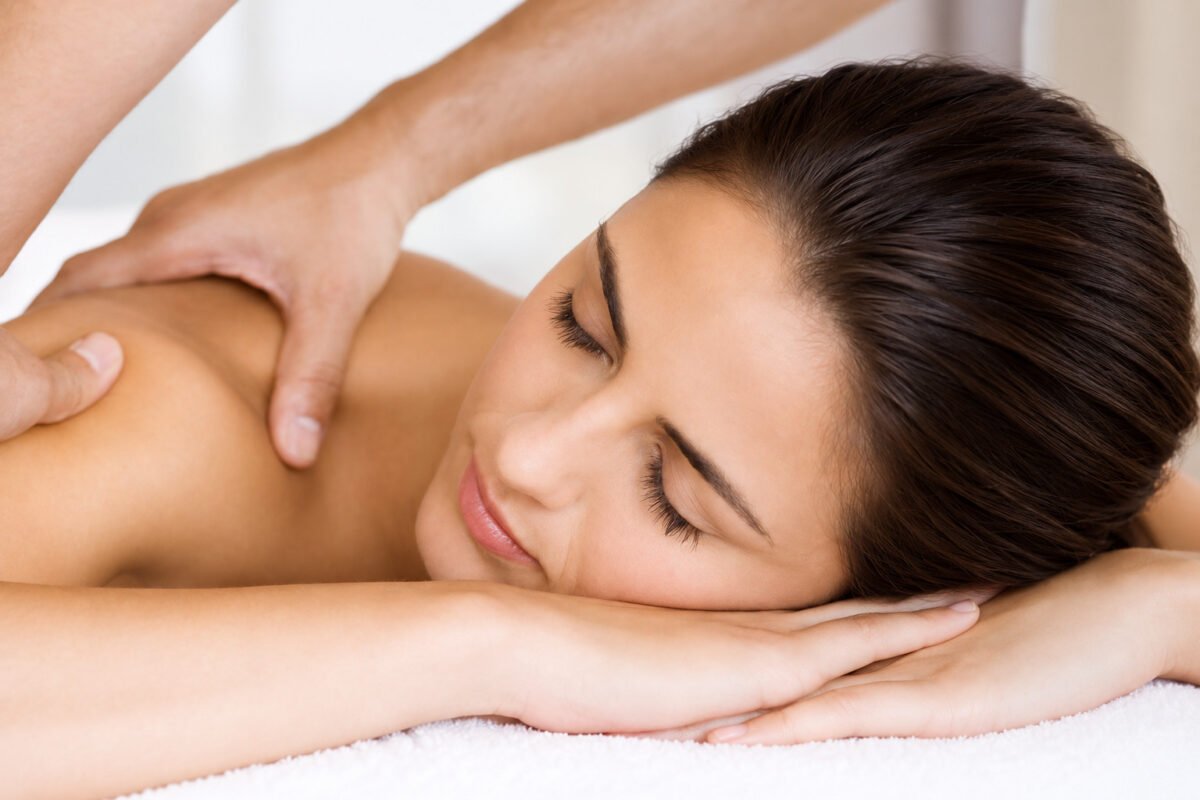
Warmth and circulation matter. Increased blood flow to the surface of the skin can support absorption. This is why applying essential oils after a warm shower, exercise, or massage may help enhance absorption.
Where you apply the oil matters, too. Thinner areas of skin – such as the inside the wrists and behind the ears – are more permeable and allow essential oil molecules to pass through more readily.
Absorption also occurs through our hair follicles and sweat ducts. The palms of the hands, soles of the feet, armpits and scalp may support greater absorption than areas such as the arms, legs, abdomen, or back. Clean skin pores that are free of dirt also improves absorption.
Carrier oils – or oils used to “carry” the essential oil onto your body – may also influence the absorption rate. Carrier oils with smaller, lighter molecules (like fractionated coconut or grapeseed oil) penetrate the skin easily and absorb quickly. Unsaturated fats absorb much faster and deeper than saturated fats like heavy shea butter or standard coconut oil, which mostly sit on top to seal the skin. Highly viscous oils like castor oil work more slowly, like a time released medicine. Castor Oil also contains ricinoleic acid, which helps it slip past the stratum corneum (the top skin layer) toward upper dermal layers.
Essential Oil Blends to Enhance Transdermal Application
Since essential oils have been found to aid in the transdermal absorption of other essential oils (Study on Essential Oils as Skin Permeation Boosters and Their Predicted Effect Mechanisms), this makes a strong argument for blends, as essential oils high in light, volatile constituents help enhance the penetration of heavier oils.
When you blend essential oils, the chemical constituents in individual oils can enhance the other oils in the blend. For example, combining oils high in antimicrobial chemical components, like an essential oil rich in thymol with an essential oil rich in eugenol, will create a highly effective antimicrobial product, like our Immune Support™ blend.
The following blends help enhance healing: Click here
Fascia Release™: Supporting Fascia and Topical Absorption
Your fascia is a continuous network of connective tissue that lies just below your skin, surrounding and supporting your muscles, joints, nerves, blood vessels, and organs. When fascia becomes tight or restricted, the tissue can feel less mobile and circulation through the area may also be affected.
Fascia Release™ is designed to support the fascia while taking advantage of the skin as a pathway for essential oil absorption.
When applied topically, essential oil molecules can penetrate the skin and move into the underlying tissue, supporting fascia health and recovery from inflammation. For example, essential oils easily penetrate layers of restricted fascia, creating warmth to break up congestion, increasing circulation and blood flow, stimulating lymphatic drainage, releasing adhesions and fascial restriction, and mobilizing adhered tissue. Essential oils may help soften the myofascial tissue, allowing the deep and constrained tissue to stretch and move as it is designed to function. They also have an analgesic effect, relaxing the muscles and reducing pain.
The essential oils in the Fascia Release™ blend are uniquely formulated to unravel deeply held tensions, constrictions, and energetic blockages in your tissues to reduce pain, improve blood and lymphatic circulation, and release fear, repressed emotions, and tension held in the body (organs, muscles, tendons, bones, and joints) or the mind.
This makes the way you apply Fascia Release™ especially important. Gently massaging the blend into areas of tight or restricted fascia does two things at the same time: the physical movement helps mobilize the tissue and support local circulation, while topical application allows the essential oils to be absorbed through the skin.
As the fascia becomes more hydrated and mobile, the layers of connective tissue can glide more freely against one another. This may help support healthy circulation, lymphatic flow, flexibility, and ease of movement.
Parasympathetic®
Topically applied essential oils are natural, non-invasive, easy tools to use to activate your vagus nerve and stimulate your parasympathetic nervous system.
Acupuncture points behind the ear and around the neck are the most effective points for stimulating the vagus nerve. A neural anatomy study showed the vagus nerve is most accessible for stimulation via the lower half of the back ear. Research on “acupuncture and vagus nerve stimulation (VNS) found that acupuncture points produce clinical benefits through stimulation of the vagus nerve and/or its branches in the head and neck region that are anatomically proximate to vagus nerve pathways there.”
Activating your parasympathetic nervous system may also help enhance blood flow near the surface of the skin to optimize systemic circulation after an essential oil crosses the skin barrier. Your sympathetic nervous system (“fight or flight”) controls vasoconstriction and may restrict systemic blood flow.
Topically applying stimulatory essential oils, like Parasympathetic®, behind the earlobe on the mastoid bone can stimulate the vagus nerve where it is most accessible to the surface of the skin. Research has shown a strong decrease in inflammatory symptoms from stimulation of three minutes a day, indicating that less might be more. We recommend applying Parasympathetic® to vagus nerve three times daily, ideally before meals. This targeted topical application is designed to support healthy vagal tone and parasympathetic balance—helping create the conditions for your body to shift out of a stress response and into a calmer, more regulated state.
Lymph™
Your lymphatic system is a network of vessels and lymph nodes that lie very close to the surface of the skin. Your lymph work to maintain fluid balance and support the body’s natural removal of cellular waste.
Unlike your circulatory system, your lymphatic system does not have a central pump like the heart. Instead, lymphatic flow relies on movement, muscle contraction, breathing, and gentle pressure to help move fluid through lymphatic vessels.
Lymph™ encourages optimal lymphatic circulation to help open up routes of elimination and alleviate congestion.
Scientific studies have shown that essential oils can enhance lymphatic flow, promoting a natural pathway for detoxification and bolstering the immune system. A study published in the Journal of Alternative and Complementary Medicine highlights the effectiveness of essential oils in promoting lymphatic circulation, offering a natural approach to enhance detoxification and immune function.
To enhance lymphatic flow and drainage, generously apply Lymph™ over the clavicles, the neck, armpits, stomach, hip crease and back of the knees to help increase lymphatic drainage and circulation.
After applying Lymph™, you can gently pump your joints. Use the flats of your hands instead of your fingertips to allow more contact with the skin to stimulate the lymph vessels. Apply light pressure—just enough pressure to gently stretch the skin as far as it naturally goes. Then, release the pressure and allow your skin to return to its original state. If you can feel your muscles underneath your fingers, then you are pressing too hard.
Circulation™
Your circulatory system runs close to the surface of your skin. Specifically:
- Superficial veins: These smaller veins sit just beneath your skin. You can often see them on your hands, arms, and legs. They carry blood from outer tissues back toward deeper veins.
- Capillaries: These tiny, delicate blood vessels form a dense network right under the skin’s surface. They deliver oxygen and nutrients and help release body heat into the air.
- Pulse points: Specific locations like your wrist or neck have arteries running close enough to the skin to feel a pulse
If veins and arteries are narrow, lax, scarred, or malformed, or the blood cells are too large, effective blood flow is restricted.
Circulation™ blend, in combination with manual movement of blood and lymph in the extremities, may help increase fluid circulation, reduce swelling, and promote healthy fluid flow.
Essential oils, like Circulation™, can help improve circulation by relaxing the blood vessels and improving the health of the blood vessels. This helps more blood circulate through them, improving circulation in the process. Essential oils can also be used to help the veins contract, stimulating blood flow.
Apply 2- 3 drops of Circulation™ on the sides or back of the neck, over the left clavicle, to help support circulation. When blood circulation to the brain becomes sluggish, it can impact your physical and mental abilities, including your ability to focus and concentrate. Poor circulation in the brain can also contribute to fatigue, vertigo, dizziness, memory loss, and frequent and unexplained headaches.
Circulation™ works especially well in combination with Lymph™ to help flush out toxins and reduce inflammation of the blood vessels, which further improves blood flow throughout the body.
-
Featured Oils:
Ready to get started? Click the link below to order today:
References: