Essential Oils to Release Trapped Emotions

I have been deep diving into my trauma, with the intention of finding tools to neutralize and transmute the trauma, along with the intensely painful emotions that often accompany the trauma, without having to re-traumatize myself.

Of all the modalities and tools I have accessed in my quest to transmute my trauma and the intense emotions that accompany it, essential oils have, hands down, been both the easiest and the most effective.

It is no surprise that essential oils have been found to “modulate emotion and cognition,” according to research on “Effects of Odor on Emotion”. Essential oils can literally “suppress stress levels” and “influence psychological and physiological states” as inhalation allows essential oils to travel directly to the part of the brain that manages and processes trauma—your limbic system, according to research on Smell and Stress Response in the Brain.

Emotions are not just feelings, they are energy that prompts and organizes you for action. The word emotion includes motion, signifying that emotions are meant for us to experience and move through.

This emotional energy resonates at a specific vibrational frequency that serves as a warning system to alert you to potential dangers, putting you in control of your responses. For example, anger can cause you to become aggressive mentally and physiologically. Fear can help you prepare to flee by triggering fear-based thoughts to prime your body for safety.

If the energy of this emotion cannot move or prompt you to act, it can become trapped in the body. More specifically, if you experienced an event that emotionally overwhelmed you and you were unable to process the experience, accept your emotions, or express and release them through your body and mind, they stay stuck in your organs, muscles, and tissues.

Your brain cannot differentiate between physical and emotional stress, including stuck emotions like shame, fear, or anger that you have not processed or released. These stuck emotions play in the background, keeping you stuck in a constant “fight or flight” stress response, draining your energy, contributing to fatigue, emotional imbalance, and even disease.

Stuck emotions often run in the background, keeping your sympathetic nervous system on high alert even when no physical danger is present.

Moreover, trapped energy distorts the energy flow in your body, contributing to stagnation in the lymph, the blood, and the fascia.

Smell can address and release trapped emotions and trauma stored in the body. You can’t think your way out of emotions, but you can smell your way out.

Your sense of smell can be a powerful tool for processing stuck emotional energy. Research shows that “olfactory stimulation can directly activate amygdala neurons to help shift emotions.” Your sense of smell is directly linked to the amygdala—a part of the limbic system in the brain that helps process and release stored emotional energy and enhance both our emotional and physiological state.

Like all of your senses, your sense of smell helps you become more aware of your body and the physical sensations you might experience from inhaling specific blends of essential oils.

Essential oils can also send safety signals to help calm your subconscious survival response. 

Smell is unique among the five senses as it bypasses your thalamus and projects directly to the regions of your brain associated with emotion and memory. This direct pathway allows smells to trigger subconscious emotional responses before they reach the brain’s conscious awareness. Smell often provokes emotional or memory reactions before you can consciously identify or label it. 

The chemical constituents in essential oils known as sesquiterpenes—found in the essential oils of frankincense and sandalwood in the Limbic Reset blend—can penetrate the blood-brain barrier. These molecules have a significant oxygenating effect on the brain’s limbic system. The combination of oxygenation on the brain and the stimulation from aromatic molecules appears to assist the amygdala in facilitating the release of emotional blockages.

Essential oils help to balance and raise your frequencies, including the frequency of various body organs and tissues, which may help balance and release the emotions trapped within those organs.

Oils are also easy to titrate, meaning you can introduce smell in small, manageable amounts that help you avoid feeling overwhelmed or retraumatized by the intensity of the emotions or physical sensations.

Finally, topical application of essential oils may help enhance emotional regulation by increasing awareness of bodily sensations to release tension, enhance relaxation, and facilitate emotional healing. This enables you to foster a deeper connection with your body and relieve tension by being aware of bodily sensations.  Touch can help access and process emotions held in the body and help release physical tension and stress stored in the muscles and tissues without reliving traumatic experiences.

Since each organ has a vibrational frequency, as do emotions, the emotions will settle in an area with a corresponding frequency.

Emotional energy gets generated during real or perceived trauma, which enters the body and, if not released, gets stored in an organ or gland with the same vibrational energy. For example, anger is stored in the liver, fear is stored in the kidneys, and grief is stored in the lungs. Anything that bothers you can carry an emotional charge.  Once generated, energy can neither be created nor destroyed. Instead, it shifts and transmutes and is neutralized.

Emotions stored in the glands and organs can be accessed through the topical application of essential oils on acupuncture points, and the limbic system accessed through smell and the inhalation of essential oils. 

Essential oils can raise the body’s frequency because they vibrate at a high frequency and transfer that frequency to the body.

“Essential oils hold vibrational frequencies that can shift patterns. Using them on the acupuncture alarm points sends the frequency directly to the specific organ, and smelling the oil releases the pattern from the brain’s limbic system, thus providing direct access to the body’s cellular memory,” according to Releasing Emotional Patterns with Essential Oils.

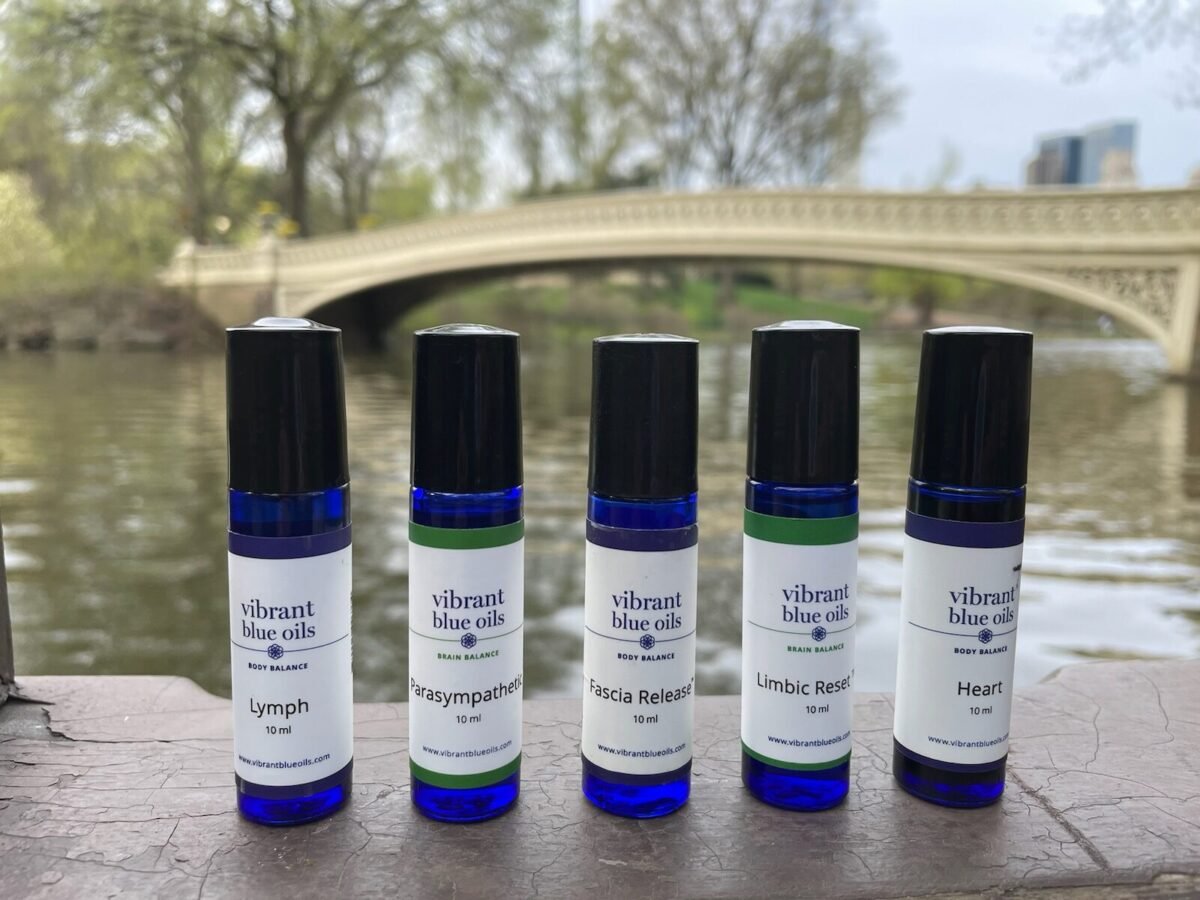
The key to mobilizing and releasing emotional toxins is signaling safety to the body. The Emotional Detox Kit comprises five powerful blends that, when combined, can help you address the root cause of your stress response and reset your nervous system.

Parasympathetic®: Your vagus nerve—the bi-directional information highway between brain and body that helps regulate your autonomic nervous system—plays a vital role in communicating changes in fascia to your brain. Stressful, traumatic, or life-threatening events may shift you into the fight-or-flight or freeze response.

Parasympathetic® calms the nervous system and may help you harmonize connections between fascia and your vagus nerve, which enables you to be present to the moment. This sense of embodiment and safety can support emotional detoxification. Apply Parasympathetic® over the vagus nerve (behind the earlobe on the mastoid bone) to activate the vagus nerve. 

Lymph™: Your neck is the critical intersection where your brain connects with your body. Oxygen, nutrients, and stimuli are carried between the brain and the body through the nerves, lymph, fascia, and blood vessels that travel through your neck channel. For example, your vagus nerve and lymphatic system run alongside the veins in the neck, and congested lymphatic vessels in the neck can impede the healthy function of the vagus nerve.

Healthy lymphatic drainage—especially around the neck, where 1/3 of all lymph nodes live—can help support healthy vagus nerve tone. Unfortunately, the lymphatic system doesn’t have a pump, but essential oils, like those in Lymph™, can enhance lymphatic flow and drainage. Generously apply Lymph™ over the clavicles, around the sides of the neck, and under the armpits to help alleviate congestion and provide space for healthy emotional detoxification.

Heart™: Part of releasing negative emotions involves transmuting the negative perspective to the positive. This is accomplished through your heart and raising the body’s vibration into the heart emotions of joy, love, and compassion. When you increase your heart coherence, lower energies, like suppressed emotions, no longer resonate, allowing the body to release these feelings more easily. Stagnant anger, grief, sadness, judgment, and low self-worth cannot exist in combination with coherent heart rhythm patterns. 

When you are in fear or anger, your heartbeat reflects that negative energy through a chaotic heart rhythm known as an “incoherent heart rhythm pattern.” Your heart then sends signals to your brain that influence the release of hormones that impact your mental and emotional experience. Incoherent heart rhythms inhibit higher cognitive functions such as attention, perception, memory, and problem-solving that help support emotional detoxification.

Heart™ blend helps you activate heart coherence by energetically aligning your heart into coherence to help you focus on positive, peaceful, loving, and harmonious thoughts and emotions. To use, apply 2-3 drops over the front of the heart (left side of chest).

READ THIS NEXT: Essential Oils for Heart Coherence

Fascia Release™: Essential oils are a powerful tool to help “unwind” your fascia to move your mind and body out of a “frozen” traumatized state, gently releasing restrictions so that your body does not have to protect itself.  Essential oils can help emotionally signal your body that you’re “safe” and physically remove restrictions, rehydrate the fascia, restore elasticity, and widen the space between the fibers to improve circulation and help blood and oxygen flow smoothly around the body again.

Fascia Release™ also helps open up the space around your physical body. Releasing fascia constriction in the back of the body, specifically between the shoulder blades at the back of the heart, helps to physically release fascial constrictions and adhesions around the heart that may help open the heart for the healthy flow of emotional energy.

The essential oils in Fascia Release™  are uniquely formulated to simultaneously work on physical and psychological levels, working quickly to break down inflamed, fibrous tissue, removing toxins while unraveling deeply held tensions, constrictions and energetic blockages in your tissues to reduce pain, improve blood and lymphatic circulation and release fear, repressed emotions, and tension held in the body (organs, muscles, tendons, bones and joints) or the mind.

READ THIS NEXT: How to Detoxify Emotions

Limbic Reset™: Inhaling essential oils is the fastest and most efficient way to reset the volume of threat perception and help calm the over-firing of your limbic system. This is because smell can access the limbic system of the brain to lower limbic system activation, which then enables your body to enter the parasympathetic “rest, digest, and repair” state.

Limbic Reset™ contains a proprietary blend of essential oils designed to calm threat arousal and send safety cues to help reset your limbic system and support healthy emotional regulation. Limbic Reset™ was specifically formulated with essential oils such as Frankincense and Sandalwood that contain the chemical constituent Sesquiterpenes, which are thought to help increase the oxygen in the limbic system, which in turn “unlocks” the DNA and allows emotional baggage to be released from cellular memory. The citrus oils in Limbic Reset™ help lift your mood and clear your energy so that you do not take on or carry negative emotions or a pessimistic mindset for others. For example, Melissa is known as an antidepressant that possesses uplifting and emotionally balancing compounds.

Limbic Reset™ also contains Helichrysum oils, which are touted for brain function and known to cross the blood-brain barrier and carry oxygen to the limbic system to help rewire neural circuits in your limbic system and calm an overactive stress response.

Essential oils are uniquely suited to help you process and release these stuck emotions through inhalation and topical application channels. Emotions stored in the glands and organs can be accessed through the topical application of essential oils on acupuncture points, and the limbic system accessed through smell and the inhalation of essential oils. 

Inhalation: Your sense of smell has direct access to the emotional center of your brain, known as your limbic system, where emotions can be processed and released (i.e., detoxified).  

Smell is critical to survival. It alerts you to dangers (like predators and fire), helps track food and water, and even aids in locating certain plants for medicine. Research estimates your sense of smell to be ten thousand times more acute than your other senses. 

Smell travels more quickly to the brain than your other four senses—sound, sight, taste, and touch—and has direct access to the emotional control center of the brain, known as the amygdala in your limbic system. Other senses first travel to different brain regions before reaching the limbic system. This makes inhaling essential oils one of the most potent tools for detoxifying emotions.

Topical application: Oils can penetrate deeply into your body through your skin, immediately impacting tissue close to the skin’s surface, like your lymph and fascia. As you may know, fascia lies just below the skin, so topically applying essential oils onto the skin allows for easy and immediate access to the fascia. The skin is your largest organ and is relatively permeable to fat-soluble substances like essential oils.

Topical supplements play an essential role in supporting lymph and fascia health and the release of trapped emotions. For example, essential oils easily penetrate restricted fascia and congested lymph layers, creating warmth to break up congestion, increasing circulation, lymphatic drainage, and mobilizing adhered tissue. Essential oils may also soften the myofascial tissue, allowing the deep and constrained tissue to stretch and release trapped emotions and energy.


Cómo se correlacionan las glándulas suprarrenales con el dolor de espalda

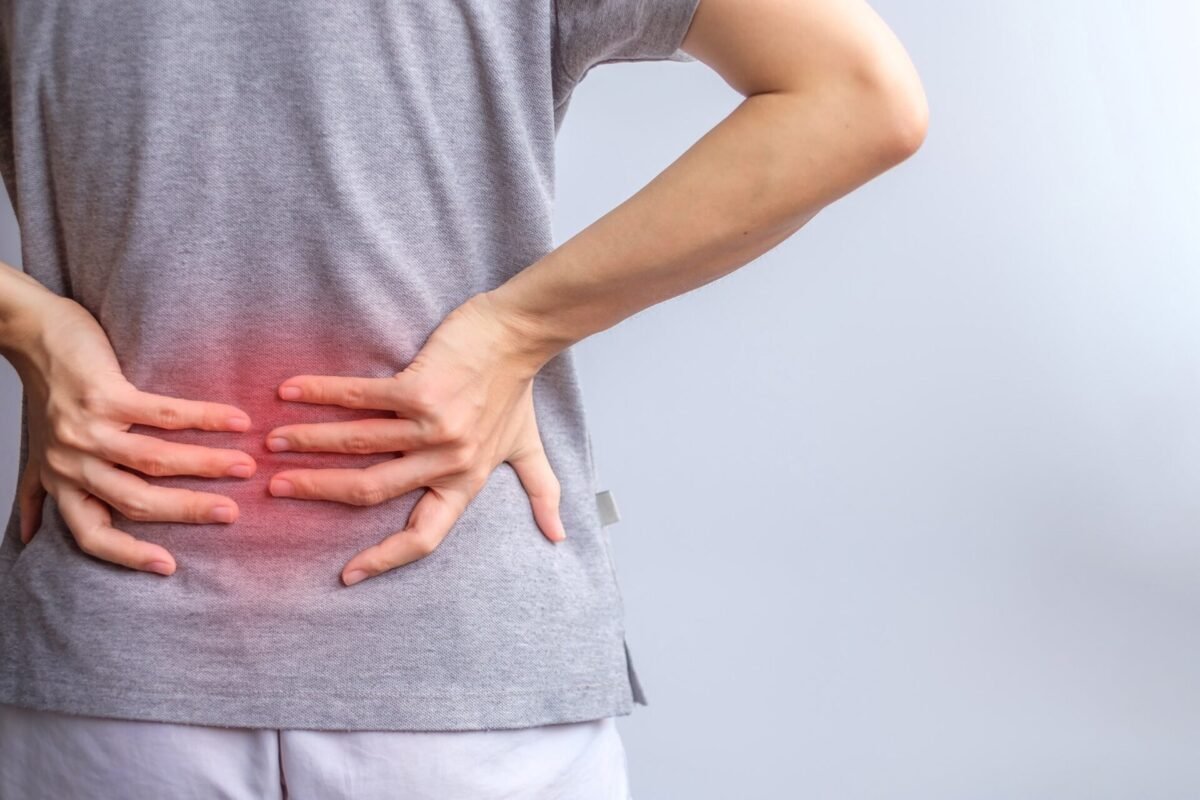
Sus glándulas suprarrenales afectan los músculos que manejan la espalda baja y los muslos, lo que puede contribuir a misiones estructurales que pueden contribuir al dolor de espalda y el dolor de rodilla.

Como sabrán, sus glándulas suprarrenales se sientan en la parte baja de la espalda directamente sobre los riñones y juegan un papel masivo en el mantenimiento de los músculos de la espalda y el muslo son combinados y armoniosos.

Si está altamente estresado y sus glándulas suprarrenales funcionan extraordinariamente, pueden agotarse, la expulsión de hormonas antiinflamatorias como el cortisol y la alineación de los músculos esqueléticos que mantienen la espalda, las caderas, las caderas, las rodillas y las piernas.

Sus glándulas suprarrenales se sientan en la parte baja de la espalda justo por encima de sus riñones.

Son su primera defensa cuando se trata del estrés responsable de la producción y el retransmisión de hormonas severas, incluido el cortisol, (para ayudar a equilibrar el azúcar en la sangre y combatir la inflamación), adrenalina y noraradrenalina (para proporcionar energía a la «lucha»), las hormonas sexuales (DHE) (Dhea, Dhea estrógeno, progestern (pasión de sodio) en el cuerpo.

Merover, a principios de la década de 1960, el Dr. George Gudhart comenzó a notar conexiones entre músculos específicos y órganos o glándulas específicas, descubriendo que una debilidad en el músculo puede mostrar un problema con la alivio de la kinesiología.

Con un estrés prolongado, las glándulas suprarrenales pueden sufrir y desgastarse, afectando no solo los niveles de las hormonas del estrés a través del cuerpo, sino también los músculos asociados con la espalda, las caderas, las rodillas y las piernas.

El efecto del dominó ocurre cuando la suprarrenal está cansada e inhiben los músculos específicos, lo que hace que las articulaciones se muevan a los científicos «subluxados» (perdidos y se muevan anormales), lo que luego causa dolor.

Los estudios sobre la acción de la hormona del estrés suprarrenal en los músculos esqueléticos durante los entrenamientos de entrenamiento han encontrado que «las hormonas del estrés suprarrenal han demostrado que causan beneficios específicos para la efectividad muscular» y afectan la «función física y diversos procesos de metabolismo» del músculo esquelético.

Sus glándulas suprarrenales pueden presentar los siguientes signos y síntomas cuando estén estresados:

  • Las luces brillantes molestan sus ojos (debe usar gafas de sol incluso en el día de la nube)
  • Ayudarlo cuando se ponga de pie o cambie de posición rápidamente
  • Dolor de cabeza a través de la frente, sobre o detrás de los ojos
  • Tus párpados temblan
  • Tu cuerpo salta o tiembla mientras te duermes
  • Músculos y articulaciones dolorosas
  • Piernas cansadas al final del día o dolor en el talón (fascitis plantar)
  • Las tareas diarias se vuelven extremadamente difíciles
  • Azúcar, deseo de cafeína
  • Aumento de peso no remunerado
  • Agotado por la noche pero que tengan un trubido fallido ASEP
  • Sed inestable y boca seca
  • Decorar un impulso sexual

Cada órgano debe tener una conexión muscular. Los músculos esqueléticos se conectan a huesos, tendones y lazos para mantener el movimiento del cuerpo. Si el órgano es difícil y no funciona bien, los músculos unidos a este órgano no funcionan bien.

Las glándulas suprarrenales están asociadas con cinco músculos que soportan gran parte de la parte baja de la espalda, caderas, rodillas, pantorrillas y piernas, que incluyen:

  • Sartorio (Músculo del muslo). – Su Sartorius es el músculo más largo del cuerpo humano, que se extiende desde la parte delantera de la articulación de la cadera hasta la rodilla y sirve como un estabilizador pélvico central. Ayuda a doblar las caderas y la rodilla y girar las caderas y las piernas.
  • Gracilis (Músculo de la ingle): un músculo largo y delgado ubicado en el muslo interno que juega un papel en la acreza de la cadera (tirando de la pierna a la línea media) y la flexión de la rodilla y la rotación interior
  • Tibial (Músculo espinoso): el músculo principal en la parte inferior de la pierna, lo que ayuda a mover el pie y el tobillo, principalmente ayudando con la pierna hacia arriba y girando la suela hacia adentro. También ayuda a mantener el arco medial longitudinal del pie, contribuyendo a la estabilidad de las piernas.
  • Gastrocnemidad (Músculo de la pantorrilla): el músculo más grande del ternero juega un papel clave en el movimiento de las piernas y el tobillo. Se une al fémur (hueso del muslo) y al tendón de Aquiles, que se une al hueso del talón. Gastrocnemius ayuda con la flexión de la rodilla (doblando la articulación de la rodilla) y la flexión plantar (dedos hacia abajo).
  • Sólido (Músculo de ternera): un músculo poderoso en la parte posterior de las piernas, que irradia desde debajo de la rodilla hasta el talón y está involucrado en estar de pie y caminar.

Cuando sus glándulas suprarrenales están sujetas a un mayor estrés del que pueden manejar, estos músculos se verán afectados y se perderán el apoyo en la espalda baja.

En otras palabras, cuando las glándulas suprarrenales no funcionan de manera efectiva, los músculos y las articulaciones correspondientes en las que trabajan pueden no funcionar bien. Esto causa articulaciones de estrés. Con el tiempo, la falta de función y apoyo apropiados enfatizaron los ligamentos de la rodilla, la contribución a la LCA y las lágrimas de menisco, el dolor de espalda y la cadera y el tirón de la ingle.

Once músculos ya no apoyan el área, la impureza puede surgir fácilmente a medida que se pierde la biomecánica normal. Si alguna vez se pregunta por qué de repente «tira su espalda» o se despierta con dolor mestionoso desde la parte baja de la espalda, esta es la base del problema con la glándula suprarrenal. Los desequilibrios musculares a menudo están allí mucho antes de que ocurran los síntomas.

Por ejemplo, el estrés suprarrenal puede ser una debilidad en la pelvis. Los músculos de Sartorius y Gracilis estabilizan un lado de la pelvis, sosteniéndola en la parte delantera del cuerpo. Las adrenalidades débiles pueden conducir al par de la pelvis o al sacro a perderse, una contribución a la parte baja de la espalda o el dolor que se siente en la espalda baja y el culo, irradiando la pierna o la articulación de la cadera, lo que se debe a la falta de estabilización pélvica, generalmente proporcionada por estos músculos.

Esto también se aplica al dolor de rodilla. Los tres músculos principales que se unen justo debajo de la rodilla tienen una fuerte conexión con las glándulas suprarrenales. Entonces, cuando la suprarrenal está cansada y estos músculos no hacen su trabajo, el menisco y MCL están bajo estrés a gran escala.

Sartorius y Gracilis tienen un punto de colocación común en el que se encuentran el fémur (hueso del muslo) y la espinilla (espinilla) y ayudan a soportar la rotación de la rodilla. Cuando los músculos son débiles, hay una pérdida de estabilidad en el interior de la rodilla, cerca de la otra rodilla. Sartorius y Gracilis actúan como conexiones dinámicas, protegiendo y manteniendo la articulación de la rodilla durante diferentes rangos. Su función es vital en situaciones en las que la rodilla misma ofrece un soporte inadecuado. La debilidad en antes del músculo de la Oftis conduce al dolor medial en la rodilla, y el menisco aumenta, ya que muchos de los músculos se encuentran en el interior de la rodilla.

En Adionion, los músculos de la pantorrilla y las piernas también están asociados con las glándulas suprarrenales. Estos músculos mantienen la estabilidad del pie y el tobillo, con una contribución de debilidad a las piernas cansadas, los tobillos débiles, los neumáticos de la espinilla, las plantas fascititis y el dolor en los terneros.

Finalmente, los músculos suprarrenales apoyan el arco normal del pie, lo que le permite pronunciar al caminar/correr naturalmente. Pro -Post es la forma principal en que su cuerpo absorbe el choque cuando se le golpea. Si los músculos están cansados, el arco se debilitará, causando un problema de proyección y tensión en el pie y el tobillo. Once pasos no pueden pronunciar correctamente, la tensión de impacto puede transferirse a la rodilla y, finalmente, la espalda baja.

Apoyando los órganos que podrían ser unir que los músculos muestran que ayudan a mantener la espalda, las caderas, las rodillas y las piernas.

Los aceites esenciales aplicados e inhalados localmente pueden ayudar a reducir el estrés y mantener las glándulas suprarrenales.

Se cree que la inhalación de aceites esenciales ayuda a mejorar la respuesta al estrés de su cuerpo al tonificar su sistema nervioso simpático y aumentar la actividad de su sistema nervioso parasimpático.

Se cree que el linalol y el linealletado, naturalmente presentes en la lavanda, pueden actuar como un sedante y estimular el sistema nervioso parasimpático de los participantes.

Los estudios han encontrado consistentemente que la inhalación de los aceites esenciales de Decas se destaca como medidas de los niveles de cortisol, un marcador de estrés suprarrenal. Tal estudio encontró que los participantes que inhalan aceites esenciales muestran concentraciones significativas de cortisol de saliva que aquellos que no. En un estudio de 4 semanas, encontró más profesional que el ancla también enfatizó a los pacientes hipertensos que inhalan una mezcla de aceite esencial, «considerados cortisoles séricos reducidos y niveles de ansiedad, en comparación con los grupos de control y carril».

Los estudios han demostrado que el aumento de los niveles de cortisol aumentan la sensibilidad al dolor visceral en individuos sanos. La mezcla de Adrenal® se define para ayudar a equilibrar las adrenalidades para que no se unan demasiado o muy poco cortisol, lo que puede ayudar a manejar el dolor.

Al igual que las hierbas adaptógenas, los aceites esenciales también son útiles para combatir el estrés y equilibrar las hormonas. Los aceites esenciales, incluidos la lavanda, Mirch, Ladan y Bergamot, contienen energía, ingredientes activos que han demostrado que naturalmente reducen el cortisol, reducen la inflamación, la inmunidad y ayuda con las funciones de sueño y digestión.

Puede aplicar tópicamente 1-2 gotas de Adrenal® En las glándulas suprarrenales (en la parte inferior de la espalda, un puño sobre la costilla 12 a cada lado). Diluir para un comienzo o si se produce algún enrojecimiento.

Oler Adrenal® La fosa nasal izquierda también ayuda a aliviar la ansiedad. Mi amigo y colega, el Dr. Titus Chiu, de la moderna corona del cerebro, causa neurología, explica que la hiperactividad de la frente delantera derecha de su cerebro a la izquierda contribuye a la ansiedad. El cerebro correcto procesa los aspectos emocionales de la experiencia humana, dándonos empatía y compasión, pero en la sobreproducción de ala correcta puede contribuir a las emociones y la ansiedad.

La inhalación del aceite esencial a través de la fosa nasal izquierda ayuda a estimular los lóbulos y equilibrar la hiperactividad de la frente delantera derecha. Inhalación Adrenal® Mezclar a través de la fosa nasal izquierda ayuda a estimular el lóbulo delantero izquierdo y crear un equilibrio entre los hemisferios izquierdo y derecho del cerebro, lo que equilibra la hiperactividad de la frente delantera derecha y conduce a sentimientos de calma.

Lea esto a continuación: 12 formas en que sus glándulas suprarrenales mantienen la salud


¿Cuál es la historia del CBD? | Blog Young Live

El CBD, abreviatura de cannabidiol, es un compuesto natural en la planta de cannabis. Se descubrió por primera vez en 1940, pero la historia del cannabis va mucho más allá. Las civilizaciones antiguas usaron cannabis para todo, desde textiles hasta cuidado de la piel. Exploremos las aplicaciones históricas de cannabis y cómo se dirigieron a los productos CBD que vemos hoy.

Cannabis, cáñamo y marihuana: ¿Cuál es la diferencia?

Marihuana y hepe Cannabis saivaS para una forma simple de comprender la diferencia es comparar el cannabis con especies botánicas Brassica oleraceaQue incluye brócoli, repollo, coliflor, repollo y coles de Bruselas. Sabemos que estos son diferentes, las verduras difieren en su propio maquillaje común, pero todos se alimentan de la misma especie.

Del mismo modo, el hemómico no es marihuana más que el brócoli es el repollo. La distinción principal, según lo definido por la ley estadounidense, es el contenido de THC. Las instalaciones industriales solo pueden tener 0.3 THC Perent (el compuesto que te hace «alto») en toda la cultura cuando la mariwana marihuana puede tener hasta 30 perentales.

Cáñamo a lo largo de los siglos

Cáñamo que ha estado en un recurso vital durante miles de años, sirviendo una amplia gama de objetivos. Las civilizaciones antiguas comieron semillas de cáñamo, usaron sus fibras para hacer una cuerda, tela y velas, y Eva lo incluía en las prácticas de bienestar. Aquí hay una línea de tiempo en su lugar:

8000 aC N.– HAMP se ha convertido en una de las primeras culturas cultivadas, con semillas de cáñamo de 8000 aC, que se encuentran en el sitio arqueológico de Asia.

2727 a. C. N.– El primer uso de la documentación del cannabis proviene del emperador Shen Nun a China, quien prescribió el té de marihuana.

1500 aC N.– Eber Papyrus, un antiguo texto médico egipcio, menciona la aplicación actual del cannabis.

40 a. C. N.Se cree que CLEOPATRA usó aceite de cáñamo como parte de su rutina de belleza.

1937«La negativa de los efectos mentales de la marihuana condujo a disposiciones estrictas en los Estados Unidos».

1940«El CBD fue descubierto por primera vez y aislado del cannabis».

1970– HAMP y marihuana se clasificaron como sustancias controladas, haciéndolas ilegales para crecer, comprar o usar en los Estados Unidos

1988– Los privatorios identifican receptores cannabinoides en el cerebro de las ratas, lo que lleva a la detección del sistema endocannabinoide humano que regula muchas funciones del cuerpo.

2018– La cuenta comercial estadounidense para 2018 legaliza los derivados de cáñamo y cannabis con bajos niveles de THC, distinguiéndolos de la marihuana.

La transferencia del proyecto de ley de la granja para 2018 fue un momento importante para el cáñamo, provocando interés renovado en sus beneficios. Hoy en día, el CBD que contiene CBD que contiene aceite de aceite y todos los demás compuestos naturales de la planta se ofrecen en forma de sueros, rodillos musculares y articulares y suplementos dietéticos.

¿Es curioso agregar CBD a su rutina? Visite nuestro sitio web para saber qué se destacan nuestros productos CBD.

Етерични масла за освобождаване на калциеви черупки, които държат травма

Тялото ви използва минерали, като калций, за да предпази от Eself от стрес и да ви предпази от проницателни заплахи.

Калцият е основен минерал, който играе решаваща роля в силната функция на тялото ви, включително здравето на костите, нервната функция и мускулното свиване.

Калцият е много успокояващ минерал, за който се знае, че има успокояващ или изтръпващ ефект върху активността на вашата нервна система, като ви помага да забавите и успокоите реакцията си към травма и стресиращи преживявания.

Например, високата тъкан калций намалява чувствителността и реактивността на нервната система. Това може да помогне за намаляване на вашата осведоменост за стреса или безкомпромируемите емоти, които възникват от стреса, като страх, гняв или мъка, помагайки да се направи стресът по -поносим.

Когато се стресира, тялото отделя калция от костите ви, за да помогне за противодействие на ефектите на хормоните на стреса. Това може да създаде „калциева обвивка“ като адаптивен или защитен защитен механизъм срещу стрес и травма.

Тези калциеви черупки в меките тъкани на тялото, като фасцията, са един от начините, по които проблемите ви остават калцирани и хванати в тъканите ви.

Терминът «калциева обвивка» подсказва механизъм за биологичен потенциал, чрез който тялото се опитва да се справи със стреса, емоционалната травма или дисрегулираната нервна система, като депозира калций около вашите клетки като защита на мен.

В това защитно състояние тялото изгражда твърда обвивка, направена от калций. Калциевите соли се изтеглят от костите и зъбите, където те кожа, мускули и органи.

Калциевата обвивка може да служи като защитен механизъм за справяне, който може да ви предпази и изтръпне на външен стрес, емоционален претоварване и минала травма. Това може да ви предпази от чувство на болезнени чувства или заплахи за външни условия.

Излишната тъкан калций има тенденция да втвърдява клетъчните мембрани и може да постанови пропускливостта на клетката. Тази «черупка» може също така нормална клетъчна функция и емоционална осведоменост, предотвратявайки навлизането на хранителни вещества и хормони и изхода на токсени и клетъчни отпадъчни продукти.

Тази „защитна обвивка“ може също да допринесе за емоционално изтръпване и умора, като инхибира експресията и принос за затруднено обработване на емоции. Калций Имате забавен ефект, който може да бъде полезен за тези, които са склонни да шофират твърде силно, което може да допринесе за чувства на летаргия, умора и депресия. В защитния си капацитет калциевата обвивка може да помогне за намаляване на нивата на стрес чрез предизвикване на умора, за да се предотврати преуморяването или превъплъщаването на тялото.

Прочетете това следващо: Етерични масла за емоционална броня

Калциевите черупки могат да ви предпазят от вреда, а също и да блокират достъпа до положителните, симптоми като:

  • Умора и летаргия
  • Апатия
  • Откъсване или оттегляне
  • Inable за изразяване на емоти
  • Промени в настроението
  • Състезателни мисли
  • Тревожност или панически атаки
  • Депресия/ чувства на отчаяние
  • Мозъчна мъгла
  • Главоболие/мигрена
  • Психологическо оттегляне и дисоциация
  • Концентриране на проблеми / проблеми с паметта
  • Проблеми с наддаването на тегло и храносмилането (високият калций може да доведе до Жлъчна мудностПричиняване на подуване на корема и лошо храносмилане)
  • Нарушена циркулация или движение на гръбначния стълб
  • Лошото здраве на зъбите и зъбите (CA се анкетира от зъби в тъкани)
  • Чувствителност към EMF (калцият е различен)
  • Чувство, че е прекъснато, апатично
  • Емоционално изтръпване, психологическо оттегляне
  • Тревожност, раздразнителност, емоционални изблици
  • Гняв и състезателен ум
  • Безсъние (Калций имате влияние върху епифизната жлеза, която предава мелатонин за поддържане на съня)
  • Твърдост, оттегляне, отбранителност, соспресия или репресия

Калциевите черупки се развиват в отговор на емоционална травма или завладяващ стрес, който не можете да обработите, затова вместо това тялото помага да се създаде защитна обвивка срещу травмата.

Черупката преустройва стреса, като редуцира интензивността на въздействието на стреса върху нервната ви система. По същество това е изтръпващ ефект да ви предпази от реални или въображаеми стресори, включително стреса от трудно детство, където не сте контролирали околната си среда и се наложи да използвате всяка защита, за да оцелеете и да се защитите от огромни емоти.

«Калциевата обвивка» е физическа броня срещу реални или въображаеми стресови фактори – към травма реакция или механизъм за справяне, който се случва, ако не можете да се справите със стреса. Калциевата обвивка служи като физическа броня, за да ви предпази от стресори.

Факторите на Охър, които могат да допринесат за развитието на калциева обвивка, включват:

Надбъбречна умора: Ако вашите надбъбречни жлези са тирад, той може да изхвърли нивата на натрий и калий – минералите на разтворителя на тялото, които поддържат калций и магнезий в разтвор в кръвта. Ако нивото на тези минерали стане твърде ниско в тъканите, калция и магнезият ще започнат да се утаяват от кръвта в меките тъкани и ще образуват твърди отлагания по цялото тяло.

Натрий и калий намаляват в тъканите, когато надбъбречните жлези се изчерпват. Алдостеронът, надбъбречен хормон, поддържа нивото на натрий в организма, а калийът изпада и пада с натрий.

Подкрепата на жизнеността на надбъбречните жлези повишава нивата на тъканния натрий и калий, което помага да се позволи реабсорбция на калций в костите.

Чувствителност: Индивидуалният чувствителен може да използва химията на тялото като „стена на защита“, за да помогне за адаптиране, избягване, оттегляне, бягане и скриване от света.

Травма: Тежка физическа или емоционална травма. Травматичните преживявания на престигнатите могат да се създадат за липса на безопасност за взаимодействие, да бъдете себе си, или да се социализирате или да функционирате без защитна стена, за да оставите въздействието на стреса.

Страх от изразяване: Страхът от изказване, да поеме отговорност, за това, което хората могат да кажат или правят, или да се ядосат или разстроим, ако говорите, може да допринесе за калциевата обвивка.

Модели на застой или дисоциация: Модел на „напредване на много бавно със спирачките“, където част от вас може да иска да продължи напред, но друга част не иска да продължи напред, така че да преместите живота на бавен, качествен или втриран начин да изпадите този модел на движение може да привлече калциева обвивка, за да се образува.

Прочетете това следващо: Етерични масла за дисоциация

Етеричните масла могат да помогнат за напукване на калциевата обвивка, както физически помага да се поддържа физическото освобождаване на калция, и да интегрира емоционалните отломки на травмата, съхранявана в тъканите.

Калциевата обвивка може да блокира емоционалната обработка, за да избегне болка. Безопасни, естествени, нежни лекарства Етеричните масла могат да помогнат на емотите да се появят нежно. Вашето обоняние чрез вдишване на етерични масла е един от най -лесните начини да помогнете за подпомагане на емоционалната обработка. Миришещите или разсейването на етеричните масла могат да помогнат да се почувствате безопасни да освободите калциевата обвивка и да започнете да обработвате емоциите, от които черупката ви защитава. Вашето обоняние също се свързва директно с частта на мозъка ви, която регулира освобождаването на хормони, които влияят на настроението и емоционалното ви състояние.

Етеричните масла пътуват през носните проходи към мозъка, свързващи се с обонятелни приемници. Оттам те стигат до емоционалния център на мозъка, известен като лимбичната система, където могат да стимулират отношението на невротрансмитерите, като серотонин, което може да повлияе на вашата неврохимия, като спомага за повишаване на настроението и намаляване на тревожността.

Изследванията утвърждават това, отбелязвайки, че „вдишването на етерични масла може да съобщава сигнали на обонятелната система и да стимулира мозъка да релетира невротрансмитерите (напр. Серотонин и допамин), като по този начин допълнително регулира настроението.“ Допълнителни изследвания показват, че етеричните масла могат значително да повлияят на мозъка, успокояващо състоянието на емоционално състояние и намаляване на кръвното налягане, сърдечната честота и температурата на кожата, което показва, че намалява автономните усилия.

Прочетете това следващо: Как миризмата стимулира мозъка ви

1. Parasympathetic ™

Изцелението на нервната система е съществена част от емоционалното изцеление. Травмата създава дисфункция в нервната ви система – трябва да лекувате нервната система, за да се чувствате отново в безопасност в тялото си. Тялото се забива в състоянието, в което е била, когато е настъпила травмата, и ви държи заседнали в това калцифицирано състояние.

Стимулиране на вагусния си нерв чрез вдишване или локално прилагане Parasympathetic ™ Смесете зад ушната мида върху мастоидната кост казва на тялото си, че сте в безопасност.

Това помага да се активира вашата парасимпатична нервна система, насърчавайки безопасността и релаксацията, което може да помогне за разтопяване на калциевата обвивка, предизвиквайки състояние на спокойствие и откритост, което може да ви помогне да обработите това основните емоции и травми. Кандидатствайте Parasympathetic ™ Над вагусния нерв (зад ушната мида върху мастоидната кост) за активиране на вагусния нерв. Това спомага за насърчаване на усещането за изпълнение и безопасност, което ви позволява да изхвърляте енергия и да освободите калциевата обвивка.

Прочетете това следващо: Преуморете с освобождаването на етеричните масла

2. Fascia Release ™

Живее в тъканите ви травма, по -специално вашата фасция, тъканта около клетката на събитията в тялото ви. Вашите емоции – или енергия в движение – пътувайте през вашата фасция, за да бъдете освободени. Когато вашата фасция е стегната и стеснена, емоциите не текат и не се освобождават, а вместо това стипендия, хванати в тъканта ви.

Трябва да освободите фасцията, за да препредавате хванатата енергия и отрицателните емоти в тъканта. Етеричните масла предлагат безопасен и прост начин за освобождаване на отрицателни емукции от тъканта и създаване на лесен поток за здрава фасция. Освобождавайки моя falcia с Fascia Release ™ Етерично масло, което сте били изключително полезни.

Fascia лежи точно под кожата, така че локалното прилагане на етерични масла върху кожата позволява лесен и незабавен достъп до фасцията. Кожата е най-големият ви орган и е релативиращ пропусклив за разтворими в мазнини вещества като етерични масла. Fascia Release ™ Blend е уникално формулиран, за да разгадае дълбоко задържане на напрежението, ограниченията и енергийните блокажи в тъканите ви, за да намали болката, да подобри кръвта и лимфната циркулация и да казва Fex ума.

Съвет за кандидатстване: Кандидатствах Fascia Release ™ За пръсти и подслушване на ключови рефлексни точки за активно ангажиране на моя отговор на безопасността. Видеото и графиките в тази публикация показват как да докоснете по -подробно.

Поддържащо лимфно движение с Fascia Release ™ и Лимфа Смес може да помогне Измийте излишните калциеви отлагания.

Прочетете това следващо: вашите проблеми са във вашите тъкани

3. Adrenal®

Надбъбреците са малки триъгълни жлези, които седят отгоре на бъбреците ви и произвеждат и релеват хормона на стреса на тялото, кортизол. Cortisol осигурява на тялото енергийната ИТ изисква, за да оцелее физически или емоционален стрес. Когато вашите надбъбречни жлези се пренасочват или мазнини, тогава не може да снабди тялото с енергията, от която се нуждае, за да лекува.

Когато надбъбреците са уморени, те изхвърлят нивата на натрий и калий, минералите на разтворителя на тялото, които поддържат калций и магнезий в разтвор в кръвта. Ако нивото на тези минерали стане твърде ниско в тъканите, калция и магнезият ще започнат да се утаяват от кръвта в меките тъкани и ще образуват твърди отлагания по цялото тяло. Възстановяването на жизнеността на надбъбречните жлези може да помогне за коригиране на калциевите черупки.

Етеричните масла могат да се използват като адаптогенни билки, за да се подпомогнат надбъбречните жлези за оптималните запаси от енергия, необходими за поддържане на вашето изцеление. The Adrenal® Blend също съдържа няколко стимулиращи масла като мащерка, канела и розмарин, така че се чувствате ободрени, съживени и енергични. За да се използва, миризма на айтър или локално нанесете 1-2 капки от Adrenal® Върху надбъбречните жлези (на долния среден гръб, един юмрук над 12-то ребро от всяка страна).


Descubrimiento de destructores endocrinos en Plin | Blog Young Live

¿Qué hay realmente en sus productos de limpieza? La verdad sobre los destructores endocrinos y por qué importa

Químicos ocultos en detergentes diarios

A menos que haya vivido debajo de una roca o hilo de una isla Dertira en las últimas décadas, ya sabe que muchos productos de limpieza del hogar contienen productos químicos nocivos.

Gracias a las películas documentales como El experimento humanoLa tendencia pura de la belleza e influyente con la tox bajo, ahora sabemos que los productos químicos tóxicos están ocultos con suspiros comunes en productos cotidianos como la pasta de dientes, el maquillaje y los productos de limpieza doméstica. ¿Pero sabías que el verano de estos productos químicos se comportó de manera diferente a los demás? ¿Y que incluso pequeñas sumas pueden afectar su salud?

Ellos son una calle Químicos destructivos endocrinos (EDC)«

Esto es lo que necesitas saber Protégase a sí mismo y a su familia.

¿Qué son los destructores endocrinos?

Los destructores endocrinos son productos químicos que interferencia con el sistema hormonal natural de su cuerpoPotáticamente conduce a desequilibrios hormonales que afectan su salud de innumerables maneras. Los estudios han asociado a EDC con la tendencia a la pubertad temprana en niñas, problemas de fertilidad, cáncer de mama, facilidad cardiovascular y problemas metabólicos.

Los bebés y las frutas en desarrollo son especialmente vulnerables ya que sus órganos aún están creciendo.

Destructores endocrinos comunes que se encuentran en los productos de limpieza tradicionales

De acuerdo a Sociedad endocrinafuera de 85,000 productos químicos humanosal menos 1000 pueden ser destructores endocrinos– y solo el 1 % se ha estudiado por seguridad.

Aquí está la suma de los delincuentes que trabajan que tratan con productos de limpieza diarios:

  • Ftalatos: Se encuentra en productos de limpieza con sabor, ambientadores de aire y limpieza de aerosoles; intervención en la señalización hormonal
  • Parabenos: Usó conservantes al limpiar la producción; Imitar el estaje y perturbar el equilibrio hormonal
  • Tricloso: Agente antibacteriano en disectantes; Interrumpe la función de la tiroides
  • BPA (bisfenol A): Presente en el paquete de limpieza de productos; Estrogénico
  • Nonilfenol y npes: Encontrado en productos de limpieza y tejido multifuncional; Cambia la actividad del estrógeno
  • PFAS: Presente en manchas y aerosoles repulsivos del agua; Desequilibrios asociados con hormonal
  • Compuestos de cloro y clorados: Encontrado en lejía y disectantes; Interrumpe la función de la tiroides
  • Amoníaco: Utilizado en la limpieza de detergentes de vidrio y agentes de pulido; ¿Puede el sistema endocrino estresarse con el tiempo?
  • 1.4 dioxano: Encontrado en productos de limpieza y detergentes; Asociado con la destrucción de hormonas y cancerígeno
  • Sulfato de lauril de sodio (SLS) y sulfato de laureth de sodio (SLE): Utilizado en jabones y productos de limpieza; Posibles irritantes de la piel que pueden afectar la función hormonal
  • Químicos crudos: Incluye varios solventes y conservantes; Puede afectar la salud de la salud endocrina

Encuesta 2022 Publicado en Ecotoxicología y seguridad ambiental Probado Más de 11,000 productos para el hogarIncluyendo productos de limpieza, limpiadores sintéticos, telas y ambientadores. Casi dos tercios Contienen productos químicos destructivos endocrinos.

La mayoría de estos productos químicos se agregaron como sabores y conservantes, solo otra razón para ¡Zanjas de limpieza con sabor temporaral!

Si los destructores endocrinos son tan malos, ¿por qué Sandi ha prohibido?

Muchos productos químicos que destruyen hormonas siguen siendo legítimas o mínimamente limitadas, ya que las agencias reguladoras aceptan que los productos químicos son «inocentes hasta que son culpables». Incluso cuando la investigación une ciertos productos químicos a los problemas de salud, puede llevar algún tiempo ponerse al día.

Y los científicos de EDC no actúan como otros productos químicos, las disposiciones pueden no tener en cuenta todas las formas en que pueden dañar su salud. Con la mayoría de los productos químicos, la toxicidad generalmente aumenta con la exposición a Higer, pero Los destructores endocrinos actúan como hormonas que siguen reglas diferentes.

Dosis pequeña Puede causar un gran efecto mientras un Mayor dosis Puede que no haga nada, o incluso tiene el efecto opuesto. Esto los hace Más difícil de estudiar y regularS

¿Cómo puedes evitar los destructores endocrinos?

EDCS suena aterrador, pero los pequeños cambios en su rutina pueden hacer un gran cambio. Aquí le mostramos cómo reducir su exposición:

  1. Polvo y vacío a menudo. Los ftalatos y otros destructores endocrinos pueden acumularse en el polvo interior, por lo que mantener una casa sin polvo puede ayudarlo a superar.
  1. Evite los aromas sintéticos. Debido a que los ftalatos generalmente se encuentran con sabores intera, consideran que se traduce en productos sin sabores o productos con sabor natural.
  1. Puramente inteligente. Intercambie productos de limpieza convencionales por opciones ambientales, químicas crudas o de plantas.

Cavar destructores endocrinos con ladrones® Productos de limpieza

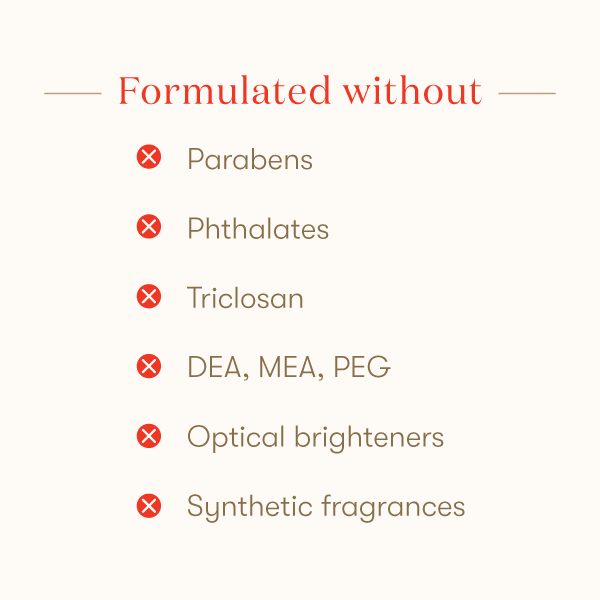
Nuestros ladrones procesados ​​de limpieza de productos sin productos químicos crudos o ingredientes destructivos endocrinos.

Concerty, se formulan los productos de los ladrones Sin:
❌ parabenos
❌ ftalates
Triclosán
❌ DEA, MEA, PEG
❌ Brightners ópticos
❌ olor sintéticos

Ofendidos, están hechos con Aceites esenciales y Ingredientes alimentados por plantas Este trabajo funciona. En el corazón de nuestros ladrones hay una mezcla de aceite esencial Thieves®, que agrega un aroma cálido, rico y picante que hace que su hogar huele increíble.

Intercambios más quisquillosos para una casa más limpia

Si está dispuesto a patear productos químicos nocivos a la acera, comience antes de los simples intercambios:

  • Ladrones® Limpieza: Potente limpiador ultra concentrado que reemplaza a docenas de productos tóxicos en su hogar
  • Ladrones® Fuerador de cocina y baño: Scrub a base de mineral que corta la suciedad sin lejía o amoníaco
  • Thieves® Fruit & Veggie Sume: Empapado a base de planta ultra concentrado que lava la suciedad, los pesicidas y otros contaminantes
  • Ladrones® Plataforma: Un jabón sin una base de plantas que se limpia sin tensioactivos sintéticos crudos
  • Ladrones® Tabletas de lavavajillas: Tabletas sin plástico que suministro sin manchas sin destructores endocrinos
  • Ladrones® Polvo de lavandería: Una fórmula concentrada de seis veces que no tiene perfumes sintéticos brillantes y pesados
  • Ladrones® Toallitas multifuncionales: Toallitas biodegradables basadas en la planta que son seguras para manos, superficies y juguetes
  • Ladrones® Concentrado de jabón manual en forma de espuma: Reduce los desechos plásticos y proporciona una base de vegetales hidratantes y libres de plantas

Recuerde que no debe procesar todo durante la noche. Comience con un intercambio, el otro. Con el tiempo, estos pequeños cambios se agregan a A un hogar más saludable y un planeta más saludableS

¿Quieres aprender más?

Descargar nuestro Ladrones Para obtener más consejos para crear una casa más limpia y más jodida.

Descarga el manual

Fomentar la transformación a través de la ira – Aceites azules vibrantes

Últimamente he estado hirviendo de ira ante situaciones que no estaban bien, cuando ya no podía quedarme callada.

La ira siempre ha sido un factor de motivación para mí.

Me criaron para tolerar cosas que probablemente no debería haber tolerado, y sólo cuando la línea se cruzó claramente la ira me inundó y me motivó a hacer las cosas bien.

La ira me ha dado el coraje para hacer cosas difíciles, como un desafío legal contra un desarrollador que ignoró mi línea de propiedad en sus planes de desarrollo, o para tener conversaciones valientes con personas importantes en mi vida y, en algunos casos, para trazar límites claros. con quienes no pueden respetar mi tiempo, emociones, energía o salud mental.

Aunque a menudo es denostada, la ira puede en realidad servir como catalizador para un cambio positivo si se moviliza de manera saludable y productiva. Los aceites esenciales pueden desempeñar un papel poderoso para ayudar a la transformación a través de la ira.

La ira es una emoción caracterizada por un fuerte sentimiento de insatisfacción y antagonismo hacia alguien o algo que no está en consonancia con tus valores internos.

Todas las emociones, incluida la ira, son señales corporales para prestar atención y notar si es necesario tomar alguna medida. La ira es siempre un síntoma de algo más profundo que atender.

La ira es la respuesta emocional que te atraviesa cuando experimentas una percepción de injusticia, traición o violencia.

Si aprende a movilizar su ira de manera saludable (es decir, sin proyectarla ni alejarla), la ira puede darle el coraje que necesita para lidiar con la causa raíz de la ira y cambiar su situación (en lugar de continuar tolerando algo, que te hace enojar porque no te sientes bien).

La ira es una fuente natural de energía para la lucha por la justicia. Le brinda la energía, intensidad, concentración y motivación que pueden impulsarlo a actuar, ya sea expresando pensamientos y sentimientos que puede resultarle difícil compartir o motivándolo a encontrar soluciones a situaciones o problemas que ya no puede tolerar o. ignorar.

La ira puede manifestarse de muchas maneras, incluidos síntomas físicos, conductuales y emocionales.

Síntomas físicos
La ira puede desencadenar su sistema nervioso simpático de «lucha o huida», lo que provoca síntomas físicos como:

  • Aumento de la frecuencia cardíaca, la presión arterial y la respiración.
  • Sudando o temblando
  • Opresión en el pecho
  • Músculos tensos o tensos
  • Un malestar estomacal
  • Dolor de cabeza o tensión en la cabeza o en los ojos.
  • mareo
  • Apretar los puños
  • rechinar los dientes
  • Temblando o temblando

Síntomas emocionales
La ira puede provocar síntomas emocionales, provocando sentimientos como:

  • Un sentimiento de abandono o miedo.
  • Sentirse irrespetado o humillado
  • Sentirse tenso, nervioso o incapaz de relajarse.
  • Sentirse fácilmente irritado o resentido con otras personas o situaciones.
  • Sentir que no puedes controlarte a ti mismo ni a tus acciones.
  • sentirse culpable
  • me siento abrumado
  • Sentimientos de celos o rechazo.

La ira puede ser una fuerza transformadora. La ira sirve como mensajero que algo anda mal y te da el coraje y la motivación para solucionarlo llevándote coraje para cambiarte a ti mismo y a tu mundo.

Curiosamente, la palabra «coraje» se puede traducir aproximadamente como «furia del corazón», con ««kur» traducir al corazón (Canalla) tanto en latín como en francés y «furia» como segunda parte de la ecuación.

Quizás recuerdes que las emociones son energía en movimiento que te motiva y organiza para la acción. La emoción de la ira es muy motivadora y difícil de ignorar. Cuando se dirige hacia un resultado positivo, la ira puede servir como fuerza impulsora para lograr la transformación necesaria.

Las investigaciones han descubierto que la ira se puede utilizar «como motivación para aumentar el impulso y la determinación para lograr con éxito una meta específica», especialmente en relación con tareas más desafiantes.

La ira puede motivarte a:

  • Enfréntate a tus miedos y obstáculos y supéralos lo que puede obstaculizar sus objetivos.
  • Mejorar la productividad: En un estudio publicado en el Journal of Personality and Social Psychology, los participantes que estaban enojados obtuvieron mejores resultados en tareas desafiantes que aquellos que experimentaban otras emociones.
  • Autodefensa: La ira puede ser una poderosa fuente de coraje moral y una manera de defender lo que es correcto:
  • superar el miedo: La ira puede ayudar a las personas a superar el miedo y correr riesgos.
  • Límites de comunicación: Si se violan sus límites (por la insensibilidad de los demás o de alguna otra manera), la ira surge para restaurar su sensación de poder y separación.
  • Energizante: La ira puede energizar a las personas y motivarlas a trabajar por el cambio.
  • Mejorar el enfoque: La ira te aporta mucha intensidad y concentración.
  • Sentir y procesar emociones más profundas.: que quizás prefieras evitar ya que te resultan difíciles de experimentar.
  • Revela tus anhelos: te ayuda a reconocer que quieres algo diferente a lo que está sucediendo.
  • Te ayuda a crear cambios en tu vida.: Enfrentar sentimientos que pueden ser demasiado arriesgados o aterradores para admitir.

La ira en cualquier forma (decepción, resentimiento, ira) te dice que ya no puedes tolerar lo que has estado tolerando. Es posible que necesite algo más, merezca algo mejor o desee algo más saludable. Escuchar su enojo puede ayudarlo a cambiar patrones que no le sirven.

Movilizar su enojo de manera saludable puede ayudarlo a hacer un cambio, establecer algunos límites e incluso correr el riesgo de perder su relación para pedir un cambio. La ira puede ser la manera que tiene su cuerpo de decirle cómo su sentido de autoestima está sufriendo debido a los compromisos que está asumiendo. O tal vez el enojo se debe a reconocer hasta qué punto ha perdido la voz y el sentido de sí mismo.

Tu enojo o frustración también puede ser el resultado de sentirte estancado o estancado en tu situación actual.

Las respuestas nocivas a la ira incluyen:

Ira explosiva: Ira fuera de control donde su temperamento puede nublar su mejor juicio. La ira explosiva se correlaciona con un control de arriba hacia abajo insuficientemente regulado desde el cerebro superior (especialmente la corteza prefrontal, que soporta la mayor parte de la carga regulatoria de la amígdala).

Ira reprimida: La ira reprimida se refiere a la ira que se evita, se niega, se reprime o, a menudo, no se expresa de forma involuntaria o inconsciente debido al miedo o la vergüenza o un intento de evitar sentimientos incómodos asociados con el estrés, el conflicto y la tensión.

Puede reprimir, compartimentar o separar para no necesitar desahogar su ira ni herir a nadie. En cambio, puede confiar en la indulgencia o el apaciguamiento, lo que puede conducir al autosacrificio, el autosabotaje o la culpa. A diferencia de ira reprimida– cuando evitas deliberadamente expresar la ira que sabes que estás sintiendo, es posible que ni siquiera seas consciente de tu ira reprimida, hasta que asoma su fea cabeza.

LEA ESTO A CONTINUACIÓN: Aceites esenciales para la ira reprimida.

Los aceites esenciales pueden ser herramientas poderosas para ayudar a disipar parte de la energía de la ira.

Su sentido del olfato se conecta directamente con el centro de control emocional de su cerebro conocido como amígdala, donde se almacenan las emociones y los recuerdos emocionales. Su sentido del olfato es el único de sus cinco sentidos que está directamente conectado con esa área inconsciente de su cerebro conocida como lóbulo límbico, lo que hace que el sentido del olfato y la herramienta de aceite esencial sean la ruta más directa para curar emociones como la culpa. , vergüenza y culpa.

Los aceites esenciales inhalados a través de las fosas nasales permiten un acceso inmediato a las áreas del cerebro que contienen esas emociones intensas como la ira y la rabia para que podamos integrarlas y liberarlas.

La palabra «emoción» puede traducirse como «energía en movimiento». La emoción es la experiencia de la energía que se mueve a través de nuestros cuerpos. Esta energía emocional en realidad opera a una velocidad mayor que la del pensamiento, y los aceites esenciales pueden ayudarnos a limpiar los residuos energéticos de la culpa para que no permanezcan en nuestros patrones de pensamiento, impactando negativamente en nuestro campo energético o nuestra salud.

Los aceites esenciales pueden ayudar a que la ira se mueva por el cuerpo. A medida que esta energía se abre y fluye, es más fácil desentrañar el mensaje en tu ira. Puede resultar útil inhalar un aceite esencial y luego, al exhalar, preguntarse:

  • ¿Por qué estoy tan enojado?
  • ¿Qué intenta decirme mi ira?
  • ¿Qué quiere mi ira que haga o deje de hacer?
  • ¿Qué valoro?
  • ¿Qué es necesario proteger y restaurar?

Estas preguntas le ayudarán a centrar su enojo de manera positiva para que pueda superarlo más fácilmente, evitando cualquier necesidad de violencia interna o externa.

Soporte hepático™

Según la medicina china, la ira que no procesamos y liberamos puede almacenarse en el hígado. Creo que la ira puede ser la más intensa y dañina de todas las emociones reprimidas debido a su intensidad. Cuanto más tratamos de reprimirlo, más asoma su fea cabeza de maneras que pueden socavar nuestra salud, nuestro crecimiento y nuestras relaciones personales.

Energéticamente, el hígado es responsable de mantener la armonía y el flujo fluido de energía (conocido como chi) por todo el cuerpo, incluida la transición fluida entre sentimientos y emociones a medida que las situaciones cambian a nuestro alrededor. Esta energía del hígado respalda su impulso, planificación, resistencia, perseverancia, rapidez, intelecto claro, ambición, paciencia y capacidad organizativa.

Cuando la energía de su hígado está equilibrada, es probable que se sienta amable, benevolente, compasivo y generoso. Cuando su hígado está sobrecargado o estancado física o energéticamente, puede experimentar fuertes sentimientos de ira, irritabilidad, resentimiento, frustración, rabia, impaciencia, celos o incluso depresión.

También puede sentir la necesidad de controlarse a sí mismo y a otros que pueden ser muy obstinados, hambrientos de poder o demasiado ambiciosos. Básicamente, buscas poder para que nadie tenga poder sobre ti. Las dinámicas de control también se manifiestan como culpa, vergüenza y culpa.

La energía del hígado trabaja en conjunto con la energía de la vesícula biliar. Si se bloquea la energía de la vesícula biliar, puede regresar al hígado, provocando una congestión energética que se manifiesta como rabia, ira o sentimientos de frustración.

LEA ESTO A CONTINUACIÓN: Aceites esenciales para la ira Gestión

Soporte hepático™ ayuda a liberar la ira, incluyendo irritación frecuente, impaciencia, resentimiento o frustración, ser crítico consigo mismo o con los demás, problemas de control, no poder expresar sus sentimientos, sentirse no escuchado, no amado, no reconocido o evaluado.

Formulado para ayudar a mover y liberar la ira y las emociones negativas asociadas con experiencias traumáticas desde las células del hígado para promover una curación óptima. Los aceites de esta mezcla ayudan al cuerpo a reconocer, procesar y liberar la ira, el miedo o la frustración causados ​​por experiencias traumáticas para que no lo abrumen.

Le permite liberar suavemente las emociones negativas, incluida la ira reprimida, que puede crear energía estancada e interferir con la capacidad del cuerpo para sanar.

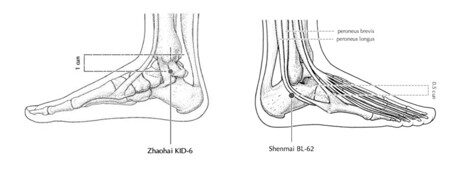
Simplemente coloque la botella debajo de la nariz y respire profundamente, inhalando completamente el aceite durante 3 a 7 respiraciones. Te ayuda a respirar y superar la emoción. También puedes aplicarlo alrededor de los tobillos, ya que esta suele ser una zona donde tenemos resistencia a avanzar en la vida y bloqueamos la capacidad de recibir alegría y placer. Comience en la parte posterior del tobillo y trabaje debajo del hueso del tobillo en el frente y detrás debajo del otro hueso del tobillo mientras se permite liberar emociones desafiantes. Para obtener más consejos sobre cómo desintoxicar las emociones, lea este artículo.

LEA ESTO A CONTINUACIÓN: Apoyo físico y emocional para tu hígado.


Essential Oils for Hashimoto’s – Vibrant Blue Oils

I have suffered from an autoimmune thyroid disease known as Hashimoto’s for the lastdecade.

During that time, I have been constantly searching for strategies to help put my Hashimoto’s into remission. I frequently test my thyroid antibodies—Thyroid peroxidase antibodies (TPOAb ) and Thyroglobulin antibodies (TgAb)—via bloodwork.

High levels of these antibodies indicate Hashimoto’s. Lowering the level of these antibodies correlates with lowering the autoimmune reaction present in Hashimoto’s. This is what I suspect people are referring to when they talk about reversing Hashimoto’s—reducing the antibody count to normal levels.

After a decade of trial and error, I finally found an essential oil strategy that I believe may help me put my Hashimoto’s into remission.

Hashimoto’s disease or Hashimoto’s thyroiditis is an autoimmune disorder that often results in an underactive thyroid or hypothyroidism. The condition is named after Dr. Hakaru Hashimoto, who identified it in 1912.

If you suffer from Hashimoto’s disease, your body’s immune system mistakenly attacks your thyroid gland by producing antibodies that attack the healthy tissue of your thyroid, causing inflammation and damaging the gland.

When the thyroid becomes damaged, the functions of your thyroid gland can be negatively impacted. For example, your thyroid may become underactive or even stop producing the thyroid hormone, a condition known as hypothyroidism.

Over time, these antibodies reacting against thyroid gland proteins may cause the gradual destruction of the thyroid gland itself, resulting in reduced thyroid hormone production. Hypothyroidism is a condition in which the thyroid gland doesn’t produce enough thyroid hormone. Hashimoto’s disease is the most common cause of hypothyroidism. “Hypo-” means “low” or “under,” and it presents as a slowing down of various bodily functions.

Your thyroid is a small, butterfly-shaped gland in the front of your neck below your Adam’s apple and just above the breastbone.

Your thyroid is part of your endocrine system. It releases two hormones—thyroxine (T4) and triiodothyronine (T3) that help regulate the rate at which your body converts food and oxygen into energy (controlling the speed of your metabolism) along with the rate at which almost every tissue in the body—including your heart, brain, muscles, and other organs—function.

In most cases of Hashimoto’s disease, your thyroid can’t produce enough thyroid hormone for your body. This slows down your metabolism and causes a range of symptoms.

Hashimoto’s attacks your thyroid to the point that the gland may no longer produce enough thyroid hormones for your body to function correctly. When thyroid hormone production drops, virtually all of your body processes slow down and change, resulting in the following symptoms:

  • Unexplained weight gain
  • Increased sensitivity to cold /Feel cold quickly, especially in extremities, like hands and feet
  • Rough, dry, or cracked skin or brittle nails
  • Easily fatigued, sleepy/tired (fatigue), lethargy, and excessive sleeping
  • Mentally sluggish, lack of initiative or depression
  • Digestive issues like constipation and bloating
  • Hair loss, slow hair growth, changes in hair’s texture, or hair thinning
  • Memory problems or difficulty concentrating
  • Heavy or irregular periods.
  • Decreased libido (sex drive)
  • Low or depressed mood
  • Frequent urination and excessive thirst
  • Stiffness and swelling in the joints
  • Less energy than you used to or can’t exercise as much or as long as you once did
  • Brain fog or problems remembering things
  • Changes in the menstrual cycle, including absent or irregular periods and problems with infertility
  • More frequent colds, infections, or illnesses due to low immune function
  • Muscle weakness, aches and tenderness

To help reverse Hashimoto’s, it is essential to understand what causes the issue.

Trauma or Stress: Stress can trigger a surge of stress hormones, like cortisol, that may throw your endocrine system out of balance, including downregulating the levels of thyroid hormones produced. In response to stress, the body may slow the production of thyroid hormones to conserve energy. Stress also weakens your immune system, possibly contributing to autoimmune conditions.

Research on “Stress and Thyroid Autoimmunity” found that “Stress affects the immune system directly or indirectly through the nervous and endocrine systems. These immune modulations may contribute to the development of autoimmunity as well as the susceptibility to autoimmune disease” like Hashimoto’s. To that end, studies have found that a high proportion (up to 80 percent!) of patients with autoimmune symptoms report uncommon emotional stress before disease onset.

Poor gut health: A gut flora imbalance may lead to inflammation of the gut lining, known as “leaky gut,” where a damaged intestinal barrier allows harmful substances to enter the bloodstream, potentially triggering an autoimmune response against the thyroid gland. Moreover, your ability to produce thyroid hormones requires specific nutrients and minerals, including selenium and zinc. The gut microbiota facilitates the absorption of these nutrients, and poor gut health can impair your ability to absorb nutrients and lead to deficiencies that may contribute to Hashimoto’s.

Research on “Thyroid-Gut-Axis: How Does the Microbiota Influence Thyroid Function?” found that “A healthy gut microbiota not only has beneficial effects on the activity of the immune system but also on thyroid function.”

Toxins: Your thyroid is one of the most sensitive organs to toxins, pesticides, and environmental pollutants in your body. Research on “Toxic Chemicals and Thyroid Function” found that environmental toxins “disrupt thyroid function,” noting that “a large number of environmental pollutants (including chemical contaminants, mold, metals, and pesticides) demonstrate toxic effects on the thyroid.”

“Environmental agents interfere with thyroid function at multiple sites, including thyroid hormone synthesis, metabolism, and excretion, and thyroid hormone action. Most of these agents reduce circulating thyroid hormone levels or impair thyroid hormone action. However, some may influence the pituitary and thyrotropin (TSH) secretion, or even be partial thyroid hormone receptor agonists.”

Research on “Environmental Exposures and Autoimmune Thyroid Disease” concurred that “environmental
exposures have been shown to influence thyroid function. Although most of these agents are associated with reduced thyroid hormone levels or impaired thyroid hormone action, a number of environmental exposures confer an increased risk of autoimmune thyroid disease.”

Immune Dysregulation: Hashimoto’s disease is autoimmune, which means your body’s immune system attacks your cells and organs. Usually, your immune system protects your body against harmful outside invaders, like bacteria and viruses. But in Hashimoto’s disease, your immune system makes antibodies that attack your thyroid tissue. This causes large numbers of white blood cells (lymphocytes) to build up in your thyroid, contributing to inflammation and damaging your thyroid.

Lymphatic Congestion: There is a crucial link between sluggish thyroid function and lymphatic congestion. While lymph nodes are located throughout your entire body, many in your neck are related to your thyroid. 

Congestion in the cervical lymph nodes in the neck that drain the thyroid can cause congestion in the thyroid, resulting in sluggish function. Interestingly, Hashimoto’s was initially described as a lymphatic congestive condition of the neck and thyroid because the swelling around the thyroid results from the lymphatic vessels in the neck (known as the cervical lymph nodes) becoming congested and inflamed as more fluid accumulates.

Research on “The presentation of lymph nodes in Hashimoto’s thyroiditis” found that “Regional cervical lymph nodes may be involved in cases of Hashimoto’s thyroiditis.”

Your lymphatic system is also a crucial part of your immune system, which helps to prevent and fight infections. Your lymph helps ‘take out the trash’ by carrying away germs and removing metabolic waste and extra fluid. When the lymphatic congestion around the thyroid reaches the level of an autoimmune condition, excessive lymphatic congestion attempts to protect the thyroid from an overzealous immune reaction. In this advanced stage, the lymphatic system slows down to halt the overzealous immune response that has turned on its thyroid.

Research on “Lymphatic Function in Autoimmune Diseases” links lymphatic congestion to inflammation.

Your lymphatic system initially expands to help clear debris and inflammatory cells. Still, suppose lymphatic capacity is limited, and lymph can’t carry the waste and inflammatory cells away. In that case, lymphatic vessels may become damaged from the ongoing inflammation and can no longer drain fluid effectively.

READ THIS NEXT: The #1 Reason Brain Detoxification Fails

Essential oils possess potent anti-inflammatory, antibacterial, and balancing properties that may help address the root causes of Hashimoto’s by supporting healthy lymphatic drainage, minimizing inflammation, and modulating immune reactions.

Essential oils work to balance your body and calm inflammation naturally. Plant compounds like polyphenols and flavonoids have been shown to improve blood flow and reduce inflammation (Study). Distilling these concentrated plant essences into essential oils makes them more bio-available and accessible to the body and brain to help calm inflammation.

Topically applied essential oils can play a huge role in helping reduce inflammation so the thyroid can repair and heal, and you can improve symptoms of Hashimoto’s disease. Studies have found that essential oils can drastically reduce inflammation levels and reverse symptoms of inflammation. The study found that “boswellic acids”—or the active component of Frankincense, which is responsible for its therapeutic capabilities—effectively reduces inflammation and “influences the immune system” by repressing the formation of inflammatory mediators like leukotriene.

Essential oils are fat-soluble, making them easily absorbed by the skin. They are also extremely gentle and do not strip away your skin’s natural oils or add to your toxic burden.

The following topically applied essential oils have helped me address the underlying issues contributing to my Hashimoto’s.

  1. Lymph™ 

    Supporting lymphatic drainage in my neck with the Lymph™ blend has helped me alleviate lymphatic congestion, release toxins (including mold toxins) from the tissues of my thyroid, and reduce inflammation. Hashimoto’s correlates with increased size and prominence of the lymph nodes in the area of the thyroid gland.

    Lymphatic drainage has helped me improve my ability to detoxify, reduce inflammation, and improve thyroid function. The oils in Lymph™ may help fluid move through the vessels and reduce swelling.

    As you may know, your lymphatic system doesn’t have a pump, and lymphatic fluid can accumulate and stagnate around the thyroid. (learn more about the Lymphatic System here). To enhance lymphatic flow and drainage, generously apply Lymph™ over the clavicles and around the sides of the neck to relieve congestion, improve drainage, and support thyroid health.

    The lymphatic system plays a crucial role in regulating the inflammatory response. When the body experiences inflammation, the lymphatic system ensures fluid balance in our tissues. When fluid builds up, it expands lymphatic vessels that let inflammatory cells into the lymphatic system, thereby removing them from the inflamed tissue. So, influencing drainage of the lymphatic system helps to reduce inflammation. It may also help to regulate your immune system to reduce the severity of autoimmune responses.

  2. Anti-Inflammatory™

    The constant attack of your immune system on the thyroid leads to chronic thyroid inflammation. To help the thyroid heal and improve symptoms of Hashimoto’s, it is helpful to remove inflammatory cells from the inflamed tissue and calm the inflammation.

    When your immune system senses something is wrong, it sends white blood cells to the damaged area to begin fighting germs and healing tissues. The damaged area becomes swollen with increased blood flow, which carries inflammatory mediators that allow white blood cells to pass through your vessels more easily. Typically, inflammation protects our tissues from injury and infection. However, our immune system can also go into overdrive and cause chronic health conditions. 

    By reducing inflammation, we can reduce symptoms. Essential oils can be a gentle way to reduce inflammation and help minimize symptoms associated with an autoimmune disease.

    Anti-Inflammatory™ blend may be used to reduce inflammation and encourage regeneration in the chronically inflamed thyroid tissue. Chronic prolonged inflammation can silently damage tissues. To apply, gently massage 2–3 drops of Anti-Inflammatory™ to any inflamed body area. For the thyroid, rub around the neck 2-3 times daily. You can also topically apply to the bottom of the feet before bed.

READ THIS NEXT: Healing the Gut with Essential Oils

  1. Parasympathetic®

    Calming your sympathetic nervous system’s “fight or flight” response helps to relax your body’s stress response, which may contribute to Hashimoto’s.

    Your vagus nerve—which starts at the base of the brain and travels down the neck on both sides near the thyroid—tells your body that you are safe. Stimulating the vagus nerve by inhaling or topically applying the Parasympathetic™ blend can help activate your parasympathetic nervous system. This enables you to regulate your nervous system, promoting safety and relaxation, which may help counteract your body’s stress response.

    Parasympathetic™ contains Clove essential oil, which helps regulate your body’s stress response. The main constituent of Clove oil, known as eugenol, boasts robust antioxidant properties that may help you detoxify environmental toxins and boost the immune system.

    You can naturally stimulate your vagus nerve by topically applying the Parasympathetic® blend on the vagus nerve (behind the earlobe on the mastoid bone) or the neck may help activate the parasympathetic nervous system (which innervates the thyroid gland) to support thyroid health.

    READ THIS NEXT: Parasympathetic for Anxiety

  2. Fascia Release™

    The thyroid gland is surrounded by fascia. According to my friend and colleague Deanna Hansen of Block Therapy, if your thyroid isn’t functioning as it should be, you can create positive change through fascia decompression.

    “Like the walls, floors, ceilings, and windows of a building that create structure and containment to the space within, the fascia creates the structure and containment to the cell. Every single tissue in the body is a grouping of specialized cells, all connected to each other through the fascia system.

    If intact, like a building, there is room for all the activities necessary for optimal functioning. If, however, the structure becomes damaged or weakened, then the space within becomes compromised, causing harm or destruction. Without space for nutrients to flow into the cells and waste to be pulled away from them, cells become stressed and cease to function with ease.”

    In other words, if the fascia is constricted, the health of the thyroid suffers. Releasing fascial adhesions with Fascia Release™ supports healthy, hydrated, flexible, supple, and unrestricted fascia, which allows your tissues to move freely and helps the lymph drain more easily from the neck for removal.

    Fascia Release™ helps support lymph drainage by helping to stimulate the lymphatic system, release adhesions and fascial restriction, increase circulation, and decrease swelling in the tissue. By supporting the fluid dynamics of the fascial system, this blend may help ease a congested lymphatic system and reduce inflammation and swelling.

    As you know, fascia lies just below the skin, so topically applying essential oils to the skin allows for easy and immediate access to the fascia. The skin is your largest organ and is relatively permeable to fat-soluble substances like essential oils.

    The essential oils in the Fascia Release™ blend are uniquely formulated to unravel deeply held tensions, constrictions, and energetic blockages in your tissues to reduce pain, improve blood and lymphatic circulation, and release fear, repressed emotions, and tension held in the body (organs, muscles, tendons, bones, and joints) or the mind.

    Topically apply around the neck and on the bottom of the feet.

READ THIS NEXT: Fascia and the Lymphatic System

  1. Circulation™

    Your thyroid gland has a wealthy blood supply and is estimated to be six times as vascular as the kidney and relatively three to four times more vascular than the brain.

    Supporting blood flow and healthy Circulation™ enhances the ability of toxins to drain.

    If veins and arteries are narrow, lax, scarred, or malformed, or the blood cells are too large, adequate blood flow is restricted, which creates pressure and prevents toxins from draining from the neck and the thyroid. 

    Circulation™ blend, combined with manual movement of blood and lymph in the extremities, may help increase fluid circulation, reduce swelling, promote lymph angiogenesis, or create new lymphatic vessels to increase flow capacity.

    Essential oils, like Circulation™, can help improve circulation by relaxing the blood vessels and improving the health of the blood vessels. This allows more blood to circulate through them, improving circulation. Essential oils can also help the veins contract, stimulating blood flow.

    Apply 2-3 drops of Circulation™ on the sides or back of the neck, over the left clavicle, to help support circulation. When blood circulation to the brain becomes sluggish, it can impact your physical and mental abilities, including your ability to focus and concentrate. Poor circulation in the brain can also contribute to fatigue, vertigo, dizziness, memory loss, and frequent and unexplained headaches.

  2. Thymus™  

    Supporting your thymus can help boost your immune system. Your thymus gland, located in front of the heart, plays a vital role in your immune system which can help support autoimmune conditions, like Hashimotos. Your thymus helps mature infection-fighting white blood cells in your bone marrow. You can help increase the release of your white blood cells by stimulating your thymus. Essential oils—like the Thymus™ blend, which contains black seed oil—and a technique called thymus thumping, gently tapping the thymus gland by stimulating your thymus to boost your immune system.

    Research on “The Impact of Nigella sativa Essential Oil on T Cells in Women with Hashimoto’s Thyroiditis” found that “essential oil extracted from Nigella sativa seeds “have a strong immunomodulatory effect on the lymphocytes of Hashimoto’s patients”. Nigella sativa Essential Oil is rich in bioactive substances, such as thymoquinone and cymene, which may help support immunity.

    To boost your immune system, apply 2-3 drops of Thymus™ on the thymus (on the breastbone at the third rib) in a clockwise motion for 30 seconds and then stimulate the thymus by gently tapping. Apply morning and evening and throughout the day as needed.

READ THIS NEXT: Black Cumin Seed Oil for Inflammation and Immunity


5 Essential Oils for Burn the Boat Moments

When my son Max was killed in a car accident, his surviving sister was only 14.

It was the week before the start of her first year of high school, and we were both in shock.

Presumably, well-intentioned friends and family felt the need to “warn” her that I—her mother—would never be the same after losing a child. That prompted a moment that would forever change the course of my life.

I was trying to fall asleep when she came into my bedroom hysterically crying. When she calmed down, she shared that these “well-intentioned friends” had told her I would never be the same. Then she said:

It was true.

Her younger brother had just died in a car accident. Her father was in jail for the incident. Her best friend and second family had just moved to another state, and her brother’s best friends—whom she loved like brothers—were in the hospital fighting for their lives.

I was all she had, and I needed to find a way through this to be there for her.

In that moment, I made her a promise that I had no idea how I would keep. I promised her that I would find a way through.

I had no idea what tools or skills I would need to acquire or develop to navigate the
difficult road ahead, but I knew I had no choice but to figure it out.

I was recently reflecting on how this situation—where my life blew up, and I had no choice but to create a new life—forced me to learn really hard things that I would never have chosen to learn had life remained easy .

My history-loving fiancè Pete labeled it a “burn the boats” moment.

Pete shared the story of how, in 1519, military commander Hernan Cortes took a small army to the shores of Veracruz to steal treasure from the Aztec Empire. This treasure had been defended for over 600 years despite various attempts from larger and better-equipped armies. After the army disembarked on the shore, the commander issued an order to “Burn The Boats” with the implication that the army was either going to take the treasure and return home in the Aztec’s boats or they were going to die trying.

By burning the boats, Cortes removed their comfort zone and the army’s ability to retreat to the familiar. In doing so, he forced his men to push forward with relentless determination, allowing them to take the treasure and conquer the entire Aztec Empire.

I often say that “necessity is the mother of invention”. Burning the boats intensifies that necessity. By destroying their boats and eliminating retreat as an option, the military commander created a point of no return where all effort needed to be focused on creating a new life.

When my son was killed, my old, comfortable life died with him, and I had no choice but to embrace my new path and learn the new skills necessary to navigate it.

Mystics call this an initiation. Joseph Campbell describes it as the Hero’s Journey in his book, The Hero With a Thousand Faces. The common thread is that you have to completely sever your connection to the safe, comfortable, ordinary, familiar, “known world” and enter the “unknown world” where you “commit to fully engage with the journey and transformation of self.”

This initiation can be triggered by death, divorce, financial ruin, change in your health or that of your partner or loved one (more here), or change in the world, including war, economic collapse, or even the election of a leader who was not your first choice.

The transformation process itself is NOT FUN. It is NOT EASY. It is not something any of us would intentionally place on our bucket list.

BUT if you are willing and able to surrender to that which you never would have asked for and allow yourself to learn the lessons you never wanted to learn, you will learn things that you will be truly grateful to know. You will transform in ways that make your life better than you ever imagined possible.

Essential oils may help you embrace and work through the mental and emotional discomfort accompanying significant turning points like “Burn the Boat” situations.

When you have no choice and no backup plan, essential oils may help support your emotional flexibility and shift your focus from what you cannot control and overcome fears in areas where you have no choice that may feel uncomfortable, risky, or overwhelming.

Essential oils can be powerful tools to help you surrender into your “flow” to release stuck energy, literally burning your energetic boats. Connecting to nature can help you connect to your ability to increase flexibility, reduce rigidity, and be better able to surrender to and flow with life.  

Oils derived from plants can help support flow and gently break up stagnation and increase movement on both the physical, mental, and emotional levels.

Whether inhaled or used topically, essential oil compounds influence the chemistry of your brain and body by activating your olfactory receptors located in the nose or through skin absorption.

Your sense of smell connects directly to the part of your brain that regulates the release of hormones that impact your mood and emotional state. 

Essential oils travel through the nasal passageways to the brain, where they bind to olfactory receptors. From there, they reach the emotional center of the brain—known as the limbic system—where they can stimulate the release of neurotransmitters, like serotonin, which can influence your neurochemistry, helping to enhance mood and reduce anxiety. 

Research validates this, noting that “inhalation of essential oils can communicate signals to the olfactory system and stimulate the brain to exert neurotransmitters (e.g., serotonin and dopamine), thereby further regulating mood.” Additional research shows that essential oils can significantly impact the brain, calming emotional states and decreasing blood pressure, heart rate, and skin temperature, indicating decreased autonomic arousal.

Citrus oils, for example, are known to lift moods as their chemical composition of monoterpenes like limonene may help lift spirits, calm anxiety, alleviate depression, and literally make you feel lighter.  Citrus trees and their fruit are the embodiment of sunshine. Growing in the warmth of climates found close to the equator, citrus fruits absorb the sun daily and bring us their fruit amid winter, just when that lightness is needed the most.

Research on the Effects of citrus fragrance on immune function and depressive states found that “citrus fragrance was more effective than antidepressants.” Similar animal research found that lemon essential oil reduces anxiety.

  • Heart™

    Heart™ balances the heart to enhance self-compassion and support, integrate, and reset all body systems, including supporting feelings of receptivity to self-belief and self-forgiveness.

    “Burning the boat” may prompt you to reflect on previous mistakes, which can bring up uncomfortable feelings of guilt or shame. Heart™ blend may help you easily release these emotions so you are better able to move forward without feeling embarrassment, shame, or guilt.

    Your heart integrates and balances your physical, emotional, and mental bodies, providing blood to every cell and every organ. It also serves as a complex information processing center, influencing brain function, the nervous system, the hormonal system, and most of the body’s major organs.  When any part of your body isn’t functioning optimally, your heart has to work harder. For example, when your body is in a state of stress, it needs more oxygen, increasing your heart rate. Your heart is your body’s reset button. Still, a state of constant stress can fatigue the heart and compromise our ability to reset, leading to inflammation, infections, toxicity, and heart disease.

    By returning your heart to balance, you support the cardiovascular and circulatory system, regenerate the structure of your heart, and help reset the homeostatic mechanism for your entire body. Heart™ is formulated with powerful calming oils, including Jasmine, an oil found to be as calming as the anti-anxiety drug valium, according to a 2010 study. Jasmine has a mildly soothing and calming effect, allowing it to alleviate anxious thoughts, relieve stress, and ease depression. Jasmine oil stimulates the brain, helping uplift the mood and promoting feelings of self-confidence and optimism.

    Heart™ blend also contains Neroli, known to soothe anxiety and frantic thoughts, calm negative emotional responses, and support optimism.

    Apply Heart™ over your heart (left side of the chest) to balance the heart and support, integrate, and reset all body systems, including mental clarity, physical health, and emotional balance. Heart™ blend also supports feelings of open-heartedness, expansiveness, and receptivity while mitigating loneliness, sadness, and grief.

    As you deeply breathe in Heart™, try to breathe in the deep sense of worthiness and allow yourself to receive love and praise. As you slowly exhale, allow your breath to dispense of any patterns of low self-worth or self-limiting beliefs. Consider writing in a gratitude journal that shows increased optimism.

  • Parasympathetic®

    Parasympathetic® calms your nervous system and helps you be present in the moment, to both your own body and your mental, emotional, and physical needs.

    This blend of clove and lime essential oils helps energize your physical body and mental capacity, helping to support the brain to help you remain steady, calm, and optimistic, even in difficult situations or when confronted with challenges.

    Your sympathetic “fight or flight” state turns on when survival and safety are threatened—which can occur during unexpected, intense, and sudden stress or change. When you are stuck in a cycle of sympathetic dominance—not activating your parasympathetic nervous system—your body’s alert mechanism for survival remains on high. You can become trapped in a perception that you are not safe, which lays the groundwork for pessimism and negative thinking.

    The parasympathetic system restores a sense of safety and balance, which calms the brain and the body by activating the parasympathetic nervous system to help you identify and support your own needs. The research found that when stimulated, your vagus nerve releases anti-anxiety chemicals that help you focus on positive emotions, decrease mental distress, and improve mental well-being. 

    Parasympathetic® empowers a flexible mindset and the ability to pivot when necessary, which can be valuable in a rapidly changing environment. Although external events— such as death, divorce, illness, and even election results—fall outside of your control, the parasympathetic branch of your nervous system allows you to intentionally and thoughtfully choose how you react to these events. As a result, you may feel empowered to sustain resilience, identify the most efficient path forward, and demonstrate the ability to make wise decisions even in turbulent times while guiding others.

    Research has found that your parasympathetic nervous system supports the development of learned optimism by thinking about your reactions to adversity in a new way and consciously challenging negative self-talk. This learned optimism involves cognitive restructuring, where you can help yourself and others become more optimistic by consciously challenging negative, self-limiting thinking and replacing it with more optimistic thought patterns.

    When you do not feel safe envisioning a positive outcome, you might activate what is known as a freeze response of your nervous system—also known as disassociation so that you don’t feel pain. This often includes a disconnection to your sense of smell. Smelling essential oils, like Parasympathetic®can help thaw the freeze response and restore your ability to sense your environment and feel safe in it. This sense of embodiment and safety may help you feel better engaged, attentive, and present in the moment, which may help you avoid worrying about future events and things that are outside of your control.

    Apply Parasympathetic® over the vagus nerve (behind the earlobe on the mastoid bone) to activate the vagus nerve. This activation helps discharge energy and shift from the frozen state into the healing parasympathetic.

    READ THIS NEXT: Releasing the Freeze Response with Essential Oils

  • Limbic Reset™

    Your limbic system is a network of structures in the brain that processes emotions, social interactions, learning, and motivation. When the limbic system detects a stressful situation, it activates the amygdala, which then sends signals to the hypothalamus to release stress hormones (like adrenaline) into the bloodstream, which triggers the body’s fight-or-flight response.

    Research finds that “stressful and traumatic events (like ‘Burn the Boat’ moments) sensitize limbic regions, which might compromise their cognitive and emotional adaptive functions and result in maladaptive coping with stress.” This is also known as “Amygdala hijack” where your brain reacts to psychological stress as if it’s physical danger. (More here)

    In other words, “Burn the Boat” moments trigger a maladaptive limbic response.  A limbic reset is then required to restore a healthy stress response. 

    Inhaling essential oils is the fastest and most efficient way to reset the volume of threat perception and help calm the over-firing of your limbic system.

    This is because smell can access the limbic system of the brain to lower limbic system activation, which then enables your body to enter the parasympathetic “rest, digest, and repair” state.

    Your sense of smell is vital to survival! The scent is often the first warning of safety or danger. For this reason, your sense of smell has direct anatomical and functional access to the amygdala in the brain’s limbic lobe, which is physically located near the olfactory bulb.

    In fact, on a physical level, only two synapses separate your amygdala from your olfactory nerve. No other sensory system has this direct and intense contact with the neural substrates of your brain’s emotional control center. Your other four senses—sound, sight, taste, and touch—must travel to different regions of the brain first before reaching your limbic system.

    Smell travels through your olfactory system to your hypothalamus through your amygdala. When you smell an essential oil, it stimulates your hypothalamus to release hormones that trigger a rapid emotional response, directly impacting how you feel and function.

    Limbic Reset™ contains a proprietary blend of essential oils designed to calm threat arousal and send safety queues to help reset your limbic system and support healthy emotional regulation. Limbic Reset™ was explicitly formulated with essential oils such as Frankincense and Sandalwood that contain the chemical constituent sesquiterpenes, which may help to increase the oxygen in the limbic system, which in turn “unlocks” the DNA and allows the release of emotional baggage from cellular memory.

    The citrus oils contained in Limbic Reset™ help to lift your mood and clear your energy so that you do not take on or carry negative emotions or a pessimistic mindset for others. For example, Melissa oil is known as an antidepressant that possesses uplifting and emotion-balancing compounds.

    Limbic Reset™ also contains Helichrysum oil, which is touted for brain function and known to cross the blood-brain barrier and carry oxygen to the limbic system to help rewire neural circuits in your limbic system and calm an over-active stress response.

    READ THIS NEXT: How Smell Stimulates Your Brain

  • Fascia Release™

    Releasing fascia helps to “unstick” emotional energy and release tension in areas of your body that correspond to difficult emotions. It may help create space for you to release your emotions gently without having to relieve them.

    This gentle process of cultivating physical flexibility opens the space for enhanced mental and emotional flexibility. In other words, you experience the full range of emotions without getting stuck in any mental or emotional state.

    Fascia is the tissue that surrounds, supports, and protects every organ, blood vessel, muscle, and nerve in the body. As such, fascia is highly innervated and rich with blood vessels, lymphatics, and hormonal and neurotransmitter receptors. It appears to play a role in storing emotional memories.

    Fascia is believed to house 25% more nerve endings than skin and 1000% more than the collective innervation of muscle, so fascia could very well be considered our richest sensory organ, and your senses are highly correlated with storing your emotional memories. This may explain how releasing fascial adhesions helps release stuck emotions that keep you in emotional rigidity.

    Fascia Release™  helps you unravel deeply held tensions and mental, physical, and emotional constrictions to promote physical and psychological flexibility in all areas of your life.

    Fascia Release™ helps release adhesions and constrictions, creating space to allow you to feel and release your emotions without getting stuck in any mental or emotional state. This state of fascial flexibility or coherence empowers you to move through your mental and emotional landscape without getting fixated or stuck in any pre-existing rigid patterns. 

    Formulated with essential oils derived from flexible plants with deep roots in the earth, like Frankincense, Fascia Release™  helps support muscle relaxation, reducing muscle tension and promoting a sense of ease in the body, which may support improved mental and physical flexibility.

    Fascia Release™ blend contains Lavender oil known for its calming and soothing effects. Lavender is known to help relieve muscle tension and promote relaxation, which can indirectly support flexibility. Cypress allows for improved flexibility and resilience. Frankincense helps calm your nervous system and promotes mental flexibility. Black pepper and Rosemary oil are stimulating and invigorating, which may help improve circulation and alleviate muscle tension, supporting flexibility.

    Apply on the back of the neck and back of the heart to improve mental and physical flexibility.

    READ THIS NEXT: Essential Oils for Fascia Release

  • Attention™

    Attention™ blend was designed to support children with ADD/ADHD. It works because it helps ground these kids into their bodies, and when they are grounded, they are less distracted, impulsive, and more focused. Grounding your body by topically applying essential oils to the bottom of your feet can generate a sense of internal balance so you can witness your thoughts and emotions without getting stuck or overtaken by them.

    Grounding enables you to move through various mental and emotional states while remaining grounded, which helps support the self-awareness necessary for growth in the face of “Burn the Boat” moments. My therapist likes to say that growth only occurs when it is uncomfortable to make the hard changes. Connecting your energy to the earth and your feet may help you through those awkward moments by preventing you from getting rigid or stuck in your head because it brings your awareness into the body. 

    Attention™ contains Vetiver, a perennial bunchgrass with very deep roots that help ground it to the earth. Vetiver essential oil is extracted from these deep roots. It is known to ground you mentally, physically, and emotionally, often helping you explore the root of your emotional issues. Attention™ also contains Frankincense™ and Cedarwood, which helps us ground and feel connected to the planet and each other. Apply 2-3 drops of Attention™ on the bottom of the feet and back of the neck to help with grounding.

    READ THIS NEXT: How Grounding Supports Emotional Release


  • 9 Essential Oils for Stagnation

    I had been feeling really stuck for a long time.

    Stuck at a set point weight that was higher than I was used to.

    Stuck in areas of my business where I never seemed to gain traction or make progress.

    AND my external world began to shift in really positive, powerful ways.

    The act of physically eliminating the stagnant, toxic mold in my home helped to shift me out of the pattern of stagnation that was impacting my mental, physical, and emotional health.

    Over the past month, I have finally been able to make changes that I honestly should have made years ago. Unfortunately, when I was caught in the vicious cycle of stagnation, even the smallest changes felt too hard.

    As I continue to unravel from stagnation, I am able to clearly identify actionable steps (many of which involve the use of essential oils) that are helping me make positive progress back to health.

    Stagnation is defined as the lack of flow, movement, growth, or development. It’s literally the state of being stuck.

    Stagnation can encompass a lack of action or activity—including non-movement, inaction, inactivity, or regression physically, mentally, or emotionally. 

    It can impact your mental and emotional state, contributing to depression or a loss of purpose in life, where you may feel like aspects of your life are at standstill or something is holding you back from moving forward. It’s often marked by a sense of inertia, where the status quo persists despite external changes or opportunities for progress, achievement, or advancement.

    On a physical level, stagnation can impede the flow or movement within your organ systems, known as Qi or Chi in Traditional Chinese Medicine.

    Stagnation originates from the Latin word “stagnum,” meaning stagnant water or the cessation of flow or circulation in a fluid, which can apply to lymphatic fluid and blood flow, both of which are critical for health. For example, your body may retain excess weight as a protective response to stagnant energy.

    Qi translates to “vital energy” that is believed to move constantly and smoothly in the body to promote the physiological functions of your internal organs.

    Qi stagnation means that your energy is not flowing smoothly, like stagnant water in a pond. In other words, movement of Qi may be blocked, sluggish, or obstructed, causing your Qi to stagnate and obstruct the flow of energy to different organ systems and regions of the body and the brain. 

    Traditional Chinese Medicine operates under the belief that Qi is present throughout the body, and a deficiency of Qi in one system or organ can lead to different symptoms or a deficiency in another.  Although Qi moves in every organ of the body, the Liver, Spleen, Stomach, Large Intestine, and Lung directly influence Qi movement, and stagnation may present as the following issues:

    Essential oils may help regulate, harmonize and enhance the flow of energy in your physical, mental or emotional body.

    Essential oils can be powerful tools to help you surrender into your “flow” so you can release stuck energy, control, and stagnation. Connecting to nature can help you connect to your ability to increase flexibility, reduce rigidity, and be better able to surrender to and flow with life.  

    Oils derived from plants can help support flow, gently break up stagnation, and increase movement on both the physical, mental, and emotional levels. For example, plants with a pungent and warm nature are selected because pungency possesses a moving capacity and warmth may activate the Qi movement.  Similarly, essential oils derived from plants that remove different obstructions, including expectorants, like those found in Sinus Support™ that eliminate phlegm, remove food stagnation, promote bowel movement, transform dampness, warm the interior, clear heat and release the exterior may help remove stagnation.

    Chinese medicine has long incorporated essential oils to clear blocks in specific acupuncture channels and activate the related energetic organ systems. This is one of the reasons that I attempt to be super specific about application points. I have repeatedly found that using essential oils to activate acupressure points has a synergistic effect that is more powerful than using pressure points or aromatherapy as independent self-care modalities.

    What’s more, willow trees and other plants with deep roots in the earth and flexible branches and leaves are known for their ability to bend without breaking, signifying flexibility, adaptability, and strength. The willow tree has flexible branches that twist and turn in a storm but do not easily break. The tree also has robust roots that keep it strong and standing against strong winds. 

    Essential oils derived from flexible plants may help support physical and emotional flexibility that allows me to be more flexible and less controlling and rigid in my life. Similarly, essential oils that support the Liver, Spleen, Stomach, Large Intestine, and Lung meridians are often used because these organs directly influence the Qi movement of the body.

  • Limbic Reset™ for Mind Stagnation

    Essential oils can be powerful tools to help allow you to work through your emotions and release anger and irritability. Your sense of smell links directly to the emotional control center of your brain known as the amygdala, where emotions and emotional memories are stored.

    Essential oils inhaled through the nasal passageways enable immediate access to the regions of the brain that house these intense emotions like anger and rage so we can integrate and release them. The word “emotion” can be translated as “energy in motion.” Emotion is the experience of energy moving through our bodies. This emotional energy actually works at a higher speed than thought and essential oils can help us clear the energetic residue of blame so it doesn’t remain in our thought patterns, negatively impacting our energy field or our health.

    Limbic Reset™ blend can help rewire neural circuits in your limbic system and calm an over-active stress response that involves mental stagnation.  Inhale or topically apply over your temples to send safety queues to help reset your limbic system and support healthy emotional regulation.

  • Lymph™ for Lymph Stagnation

    Your lymphatic system drains all waste from your body. Since it doesn’t have a pump, and lymphatic fluid can accumulate and stagnate, it causes lymph fluid to back up, impeding superficial lymphatic drainage from your head, scalp, face, arms, and legs. This stagnation can be due to an overload of acidity, animal protein, gluten, infection, toxins, or adhesions of the connective tissue, such as scars.

    The oils in Lymph™ may help fluid move through the vessels and reduce swelling. To enhance lymphatic flow and drainage, generously apply Lymph™ around the sides of the neck to relieve congestion, improve drainage, and reduce brain inflammation.

  • Fascia Release™ for Fascia Stagnation

    Stagnation in the connective tissue in key regions of the body can create or increase muscle/joint pain and stiffness. Fascia Release™ helps release adhesions and fascial restriction, increase circulation, and decrease swelling in the tissue. By supporting the fluid dynamics of the fascial system, this blend may help ease a congested lymphatic system and decrease swelling.

    As you may know, fascia lies just below the skin, so topically applying essential oils to the skin allows for easy and immediate access to the fascia. The skin is your largest organ and is relatively permeable to fat-soluble substances like essential oils that can easily penetrate layers of restricted fascia, creating warmth to break up congestion, increasing circulation, lymphatic drainage, and mobilizing adhered tissue.

    Essential oils soften the myofascial tissue, allowing the deep and constrained tissue to stretch and move as it is designed to function. They also have an analgesic effect, relaxing the muscles and reducing pain. The essential oils in the Fascia Release™ blend are uniquely formulated to unravel deeply held tensions, constrictions, and energetic blockages in your tissues to reduce pain, improve blood and lymphatic circulation, and release fear, repressed emotions, and tension held in the body (organs, muscles, tendons, bones, and joints) or the mind.

  • Liver Support™ for Liver Stagnation

    Energetically, your liver is responsible for maintaining harmony and the smooth movement of energy throughout your body, including the smooth transition between feelings and emotions as situations change around you. This liver energy supports your drive, planning, endurance, perseverance, quick/clear intellect, ambition, patience, and organizational abilities.

    When your liver energy is balanced, you probably feel kind, benevolent, compassionate, and generous. When your liver is physically or energetically congested or stagnant, you might experience intense feelings of angry outbursts, irritability, resentment, frustration, rage, impatience, jealousy, or even depression.

    Anger that we don’t process and release can get stored in your liver, according to Chinese medicine.  Any stagnation, congestion, or compromise in the healthy function of your liver allows toxic chemicals to build up and accumulate in your body. Frustration, rage, and anger tend to build up when toxins build up.

    Liver Support™ helps support the release of anger, including frequent irritation, impatience, resentment or frustration, being critical of yourself or others, control issues, an inability to express your feelings, feelings of not feeling heard, not feeling loved, and/or not feeling recognized or appreciated.

    Liver Support™ is formulated to help move through and release anger and stagnant emotions attached to traumatic experiences from the cells of the liver to promote optimal healing. The oils in this blend assist the body to recognize, work through, and release the anger, fear, or frustration caused by traumatic experiences so they don’t overwhelm you.

    It allows you to gently let go of negative emotions, including repressed anger, which can create stuck energy and impede an organ’s ability to heal.

    Just place the bottle under your nose and breathe deeply, fully inhaling the oil for 3-7 breaths. It helps you breathe into and work through the emotion. You can also apply it around the ankles as this is often an area where we hold resistance to moving forward in life and block the ability to receive joy and pleasure. Start at the back of the ankle and apply under the ankle bone around to the front and back under the other ankle bone, all while allowing yourself to release challenging emotions. For more tips on detoxify emotions, read this article.

    READ THIS NEXT: Physical and Emotional Support for Your Liver

  • Liver™ & Gall Bladder™ for Bile Stagnation

    When your body detoxifies, it eliminates toxins by moving them out of your cells, into your blood, through your liver, and into your bile, which then carries toxins into the gut for elimination in your stool.  As long as toxins flow in the right direction, they can be eliminated.

    If there is a block in detoxification pathways, like a clogged bile duct, the fluids carrying the toxins out of your body are not able to flow out of your liver into your intestines for elimination.  When detoxification pathways are blocked, toxins are forced to flow back into your bloodstream and either need to be eliminated through other detoxification pathways – your skin and your kidneys – or linger in the blood – contributing to blood stagnation.

    Liver™: The liver produces bile, a yellowish-green fluid that aids in the emulsification of fats and the digestion and absorption of fat-soluble substances, like vitamins A, D, E, and K. The liver also stores fat-soluble toxins, including old hormones (like excess estrogen), in the bile for transport out of the body through the digestive elimination process. This means the liver needs to be functioning optimally to both produce bile and filter and store old hormones. You can support optimal liver function by applying Vibrant Blue Oils Liver™ over the liver (right side of the body, under the ribs) 2 – 3 times daily.

    Gall Bladder™: Once the liver produces bile, it is stored and concentrated in the gallbladder.

    Your liver energy works in conjunction with your gallbladder energy. If gallbladder energy is stuck, it can back up into the liver causing stagnation. When we eat a meal with fat, the bile should flow freely into the small intestine to break down the fat, so we can absorb it. Unfortunately, stress, hormones, and excess fat consumption can make the bile thick, viscous, and stagnant which impedes its ability to flow. To support the optimal flow of bile from the gallbladder, apply Vibrant Blue Oils Gall Bladder™ on the right side of the body under the bra under-wire or along and slightly under the right rib cage.

  • Lung Support™ for Lung Stagnation

    According to Chinese medicine, feelings of grief and loss are stored in your lungs where they can obstruct the ability of your lungs to accept and relinquish, impeding their function of “taking in” and “letting go” of oxygen and feelings. Grief that remains unresolved can become chronic and create disharmony in the lungs, weakening the lung’s function of circulating oxygen around the body. Lung Support™ can help release these feelings of loss and support your ability to transport oxygen from the atmosphere into the capillaries so they can oxygenate blood and eliminate carbon dioxide from the bloodstream into the atmosphere. Apply 2-3 drops over the lungs, allowing yourself to deeply exhale any grief as you apply the blend.

  • Spleen Qi™ for Spleen Stagnation

    The spleen, which sits in the upper left part of your abdomen behind your ribs, regulates and filters our blood, impacting the number of red blood cells that carry energy supplying oxygen throughout the body. The spleen is also part of our lymphatic system and a key player in our immune response, detecting pathogens in the blood and producing white blood cells to fight infections.

    As blood filters through the spleen, it’s cleaned, and threatening microbes are engulfed and filtered out. Without the spleen working properly, we can’t maintain the red and white blood cells we need for ongoing energy which is why low spleen energy can be linked to fatigue.

    TCM considers the spleen to be responsible for digesting food and carrying that energy into our cells, along with providing warmth and vitality to the body, providing physical energy for immune function and mental energy for work and creativity. Prolonged stress, cold weather, too much cold food, and mental overwork can exhaust or weaken the spleen’s energy or Chi.

    Spleen Qi™: Can help support the Vitality of your Spleen and improve sleep quality. Apply 2-3 drops of Spleen Qi™ over the spleen (left side of the body, under the breast) or over the Spleen 6-point (inside of the leg just above the highest peak of your ankle) four finger widths up from, apply deep pressure slightly behind the tibia bone.

  • Circulation™ for Blood Stagnation

    Your circulatory system controls blood flow into and out of the brain. Slow, stagnant, or blocked blood flow through the veins or arteries can restrict effective blood flow, which creates pressure and prevents toxins from draining from the brain. 

    Circulation™ blend may help improve circulation by relaxing the blood vessels and improving the health of the blood vessels. This helps more blood circulate through them, improving circulation in the process. Essential oils can also be used to help the veins contract, stimulating blood flow.

    Apply 2-3 drops of Circulation™ on the sides or back of the neck, over the left clavicle, to help support circulation. When blood circulation to the brain becomes sluggish, it can impact your physical and mental abilities, including your ability to focus and concentrate. Poor circulation in the brain can also contribute to fatigue, vertigo, dizziness, memory loss, and frequent and unexplained headaches.

  • Heart™ for Heart Stagnation

    Heart™ can help calm any intense or overwhelming feelings by redirecting you back to a space of love and gratitude. Feelings of love and gratitude can help you pivot out of the intensity of sadness and grief and act as an instant reset. In fact, an NIH study correlated a focus on gratitude with increased blood flow to the hypothalamus and a reduction in the stress hormone cortisol. Apply 2-3 drops of Heart™ directly over the heart (left side of the chest). During times of intense stress and fatigue, use as often as needed (every 20-30 minutes). During times of normal stress, use 2-3 times daily to calm and uplift the heart and the body. Read More about Essential Oils for Gratitude HERE.


  • Essential Oils for Navigating Defense Mechanisms

    It’s been a doozy of a week, attempting to unravel from what I was late to realize was not a healthy relationship.

    As my fiancé (who is still very much in the picture) likes to point out, “There are three sides to every story: my side, your side, and the truth. And no one is lying. Memories shared serve each one differently.” 

    The quote—attributed to movie producer Robert Evans—highlights how individual defense mechanisms may color your perception of a situation. Defense mechanisms are mental processes you may unconsciously employ to displace anger, alleviate discomfort, or protect yourself from uncomfortable emotions or situations. Defense mechanisms may temporarily ease stress and protect you from feelings of anxiety, threats to self-esteem, and things that you don’t want to think about, deal with, or take accountability for.

    Defense mechanisms offer coping mechanisms or strategies for defending against perceived threats to your survival and physical integrity, including potentially stressful interpersonal conflicts.

    Defense mechanisms are unconscious strategies you may employ to separate and protect yourself from unpleasant events, actions, threats, thoughts, or unwanted feelings, such as guilt or shame.

    Defense mechanisms are ways you react to situations that bring up negative emotions. When you experience a stressor, your subconscious monitors the situation to see if it might lead to emotional harm and may react with a defense mechanism to protect you or help you put distance between yourself and anything you don’t want to experience or take accountability for.

    Defense mechanisms may allow you to navigate painful experiences by deploying strategies of self-deception to avoid the discomfort. The unacceptable thought or emotion may be denied or rationalized or projected onto someone else.

    Some of the most common mechanisms of protecting yourself against emotional pain Include:

    • Projection: Attributing your own feelings, traits, or motivations to others. For example, projecting your anger onto someone else or blaming another person for your own flaws. Projection works by allowing the expression of the desire or impulse, but in a way that the conscious mind does not directly recognize, therefore reducing anxiety.
    • Denial: Pretending that negative experiences haven’t occurred or refusing to recognize or acknowledge something has occurred or is currently occurring that would lead to anxiety. If you are in denial, you may block or reject external events or circumstances from your mind so that you don’t have to deal with the painful feelings or emotional impact. Denial can involve a flat-out rejection of the existence of a fact or reality or might involve admitting that something is true, but minimizing its importance. In other words, denial helps you avoid events. Sometimes people will accept reality and the seriousness of the fact, but they will deny their own responsibility and instead blame other people or other outside forces.
    • Repression: Acts to keep difficult thoughts or unpleasant information from entering into conscious awareness. Instead of facing potentially upsetting thoughts and painful memories or taking accountability for your behavior or actions, you may choose to hide them in hopes of forgetting them entirely. However, these memories don’t just disappear; they continue to influence our behavior. For example, a person who has repressed memories of abuse suffered as a child may later have difficulty forming relationships.
    • Rationalization: Involves justifying a mistake, unacceptable behavior or problematic feeling with seemingly logical reasons or explanations, which may allow you to avoid the true reasons for the behavior. You may even attempt to explain undesirable behaviors with your own set of “facts” which may allow you to feel comfortable with the choice you made, even if you know on another level it’s not right. For example, you might rationalize a poor work review by blaming your boss rather than taking accountability for your own performance.  Rationalization not only prevents anxiety, but it may also protect self-esteem and self-concept. When trying to explain success or failure, you may use this defense mechanism to attribute achievement to your own qualities and skills while failures are blamed on other people or outside forces.
    • Intellectualization: Focusing on the intellectual rather than emotional consequences of a situation. This works to reduce anxiety by thinking about events in a cold, clinical way. It allows you to avoid thinking about the stressful, emotional aspect of the situation and instead focus only on the intellectual component. For example, in the face of a potentially concerning medical diagnosis, you might focus on learning everything about the condition in order to avoid distress and remain distant from the reality of the situation and your feelings about it.
    • Suppression: Consciously repressing unpleasant or unwanted information from your awareness. For example, if you were abused as a child, you may push it out of your mind or memory as a protective measure.
    • Sublimation: Channeling unacceptable urges into a productive outlet, such as work or a hobby. This allows you to act out unacceptable impulses by converting these behaviors into a more acceptable form. For example, you might become a workaholic or exercise addict as a means of venting frustration to avoid experiencing extreme anger.
    • Regression: Reverting to the behavior or emotions of an earlier developmental stage.
    • Displacement: Taking feelings out on others or redirecting an emotional reaction from the rightful recipient to another person altogether. For example, if a manager disciplines an employee, the employee may not react at work but may take it out on their family later that night. Rather than express your anger in ways that could lead to negative consequences (like arguing with your boss), you instead express your anger toward a person or object that poses no threat (such as your spouse, children, or pets).
    • Compartmentalization: Separating components of one’s life into different categories to prevent conflicting emotions.
    • Acting out: Coping with stress by engaging in actions rather than acknowledging and bearing certain feelings. For example, instead of telling someone that you are angry with them, you might yell at them or throw something against the wall.
    • Avoidance: Refusing to deal with or encounter unpleasant objects or situations. For example, rather than discuss a problem with someone, you might simply start avoiding them altogether so you don’t have to deal with the issue.
    • Dissociation: Becoming separated or removed from your experience. When dealing with something stressful, for example, you might mentally and emotionally disengage yourself from the situation.
    • Passive-aggression: Indirectly expressing anger. Instead of someone telling you that they are upset, they might give you the silent treatment or undermine or bad mouth you behind your back.

    Defense mechanisms allow you to avoid dealing with your thoughts or feelings. These avoidance strategies do not solve the problems, but instead delay and prolong the issue. 

    In order to properly address your thoughts, feelings and actions, you need to take responsibility and accountability for yourself and your actions. This is not an easy task and requires the capacity for emotional regulation and the courage to take responsibility for your choices and actions, even when those choices provoke unpleasant feelings of guilt and shame.

    The word “Responsibility” breaks down into “response” and “ability” or “the ability to choose your response” to external circumstances. When you are able to accept responsibility for your circumstances, you are better able to change your circumstances. I believe this is because when you are able to release thought patterns that make you feel disempowered, like blame and judgment, you allow yourself the mental and emotional space to change your circumstances.

    This also means taking accountability and responsibility for your own health and releasing your “victim stories”—stories in which you feel powerless or taken advantage of by others. Victim stories can include feeling betrayed by your own bodies and powerless to change your circumstances.

    READ THIS NEXT: Release Your Victim Story

    Most conflict occurs in relation to others, which means in order to step into your own power, you need to:

    1. Take accountability for yourself (and not avoid it with defense mechanisms).
    2. Avoid blaming others for situations in which your actions and choices influenced the outcome.
    3. Stop assuming responsibility for other people’s choices or feelings.

    Essential oils—with their ability to travel directly and immediately to the brain—may help support the emotional regulation to step into personal responsibility and help you recognize and avoid defense mechanisms, both in your own behavior and that of others.

    3 Steps for Navigating Defense Mechanisms with Essential Oils

    Step 1: Support Emotional Regulation

    Emotional regulation is the ability to manage and respond to emotions in a way that is socially acceptable and flexible. It involves being able to identify and understand your emotions which requires the ability to exert control over your emotional state and your nervous system.

    Defense mechanisms may be triggered by your nervous system’s fight or flight response. At their root, defense mechanisms are unconscious homeostatic mechanisms that reduce the disorganizing effects of sudden stress. Following that logic, anything you can do to regulate your nervous system and expand your capacity to navigate stress without needing to distort or deny it can help you recognize and work through both your own defense mechanisms and your response to them in other people.

    Verbal and emotional conflicts can feel like a physical assault. They trigger the same “fight or flight” danger response as an actual physical attack and prime your body to fight back. 

    This might explain why we are so easily provoked and ready to rumble in response to psychological threats like news stories or social media posts that present opinions different from our own.

    When you are operating from the “fight or flight” survival mode, your sympathetic branch of your nervous system prepares you for action. Your muscles tense and your vision narrows, allowing you to narrow your focus and pay close attention to the external, physical world.

    Selective attention—a process where you identify and survive threats before dedicating your attention to anything else—helps you focus on what’s important while ignoring irrelevant, outside information. Just as the sympathetic nervous system turns off all functions not critical to survival, including your ability to digest food, it also turns off your capacity to access critical thinking and problem-solving skills by shutting down your ability to focus on anything outside of the pressing danger.

    You are constantly bombarded with sensory information. If you focus your attention on everything going on around you, you will go into sensory overload and be unable to maintain your focus on safety. Unfortunately, when the sympathetic state locks you into a state of constantly scanning for threats, it shuts down your ability to thoughtfully contemplate different perspectives that might feel threatening to your safety.

    This hyper-vigilance can save your life when you are under threat, but also restricts your emotional regulation or receptivity to new or different viewpoints and ideas, making you more likely to engage in and amplify conflict.   

    READ THIS NEXT: Stay Calm in the Midst of Adversity

    When you respond from a place of survival and fear, you are more likely to revert to defense mechanisms and end up regretting your behavior later on.

    It is critical to shift out of the sympathetic, survival mode branch of your nervous system as it is not conducive to making wise, thoughtful choices.  The easiest way to do this is to literally force yourself to pause and activate your parasympathetic nervous system. My favorite way to stimulate the parasympathetic nervous system is to apply the Parasympathetic® blend behind the earlobe on the mastoid bone.

    Once you are able to calm your nervous system, you may notice that you immediately feel less triggered and far less reactive. It is far easier to practice emotional regulation in the parasympathetic state.

    In her excellent book, The Art of Extreme Self Care, Cheryl Richardson advises that emotional regulation is a wise choice when:

    • You can’t think clearly
    • You feel really angry and triggered
    • Your emotional reaction feels bigger than what the current situation warrants.
    • You feel anxiety coursing through your veins and feel compelled to react
    • You feel angry and know there’s a good chance you will say something mean or stupid that you will regret

    If you experience any of these emotional reactions listed above, consider pausing and activating your parasympathetic nervous system. Again, the fastest and easiest way to stimulate the parasympathetic nervous system is to apply the Parasympathetic® blend behind the earlobe on the mastoid bone.

    Step 2: Release Blame, Shame, and Guilt

    Blame, shame, and guilt are powerful manipulative emotions that may be used by you or against you as a defense mechanism. For example, you may project blame on others or be on the receiving side of such a projection.

    Interestingly, research shows that projecting blame onto others is more common among individuals who are unable to regulate their emotions.

    This means not blaming others, not throwing a pity party, and not playing the role of victim, but rather focusing on the aspects of the challenge that are within your control, and letting go of the rest (including other people’s reactions). This ability to assume a sense of agency over the factors of your life within your control is also known as the “locus of control” or the degree to which you believe that you, as opposed to external forces (beyond your influence), have control over the outcome of the events that influence your life.

    READ THIS NEXT: How Personal Responsibility Enhances Resilience

    At its root, blame is a form of avoidance that can be internalized or externalized and typically comes in 3 different flavors:

    • Blaming others = Anger
    • Blaming yourself = Guilt
    • Accepting others blame of you = Shame

    Blame transfers responsibility to someone else or forces you to carry the blame of others, keeping you stuck in the victim space. Liver Support™ allows you to release anger, blame, and shame that are often stored on a very deep cellular level. Just place the bottle under your nose and breathe deeply, fully inhaling the oil for 3-7 breaths, then slowly exhaling while intentionally releasing the anger. It helps you breathe into and work through the emotion. You will know that the essential oil for blame is working when you stop smelling it. You can also topically apply 2-3 drops of Liver Support™ over your liver (right side of the body under the breast) to help work through and release your anger and boost resilience.

    Guilt turns blame inward, a concept known as self-blame, where you attribute any negative outcome to a personal shortcoming or deficiency. Guilt also has to do with control. You may like to believe that things should go your way and when they do not, you feel guilty about it.

    Heart™ helps amplify feelings of self-love and gratitude, helping to balance and heal feelings of guilt. Every moment of your life you have the opportunity to see the glass as half empty or half full. How you envision each moment helps paint a picture of your actual experience, so why not choose to be happy, to think of and move toward things that bring you joy? Essential oils for blame are a wonderful tool for cementing in that positive frequency. Apply 2-3 drops of Heart™ directly over the heart (left side of the chest) or on the back of the neck to calm guilt and uplift the heart and the body.

    Shame results in you receiving negative messages from others, leading you to believe that you are bad, defective, or unworthy and somehow helpless to change that deficit.

    Poor boundaries are correlated with shame, especially when you believe you lack the power, skill, knowledge, or capability to manage the expectations of others and continually seek validation through serving their needs and wants. Not surprisingly, your body holds shame in your digestive system, primarily the small intestine which is also associated with boundaries. Small Intestine Support™ may help support positive boundaries and confidence to assist in bringing a sense of peace to your life. Apply 2-3 drops of  Small Intestine Support™ in a clockwise direction around the belly button or massage into your ears for emotion-related issues. You can start on the bottom of the ear at the earlobes and gently massage upward along the exterior of the ear, hitting many of the major reflexology points. This article and chart shows specific points on the ears for specific issues.

    READ THIS NEXT: Essential Oils for Blame

    Step 3: Support Healthy Boundaries

    Emotional boundaries help you protect your emotional well-being in a healthy pro-active way. Defense mechanisms are reactive responses when boundaries are threatened. So long as healthy boundaries are maintained—and not threatened—defense mechanisms are not activated.

    Essential oils, like Small Intestine Support™, can help you identify and support healthy mental, physical and emotional boundaries for yourself and others.

    On the physical level, the small intestine plays a critical role in the digestion process, absorbing and assimilating key nutrients while preventing harmful pathogens and toxins from entering the body.

    On an emotional level, the small intestine plays a similarly discerning role with emotions, helping to understand experiences and determine healthy and appropriate relationships and boundaries.

    It is also an area where we can hold deep childhood scars of rejection, abandonment, or abuse. Negative thoughts fueled by feelings of low self-worth, low self‐esteem, loneliness, neglect, and anxieties about survival and success can interfere with our ability to identify and support healthy boundaries.

    Vibrant Blue Oils Emotion Balance Small Intestine Support™ blend supports the healthy functioning of the small intestine as it sorts and transforms food, feelings, and ideas into useful ingredients for the body/mind. It also helps correct imbalances where you are overly in tune with another’s criticism, feelings, or opinions at the expense of your own.

    Small Intestine Support™ can be inhaled or applied around the ears. You can start on the bottom of the ear at the earlobes and gently massage upward along the exterior of the ear, hitting many of the major reflexology points. This article and chart show specific points on the ears for specific issues.