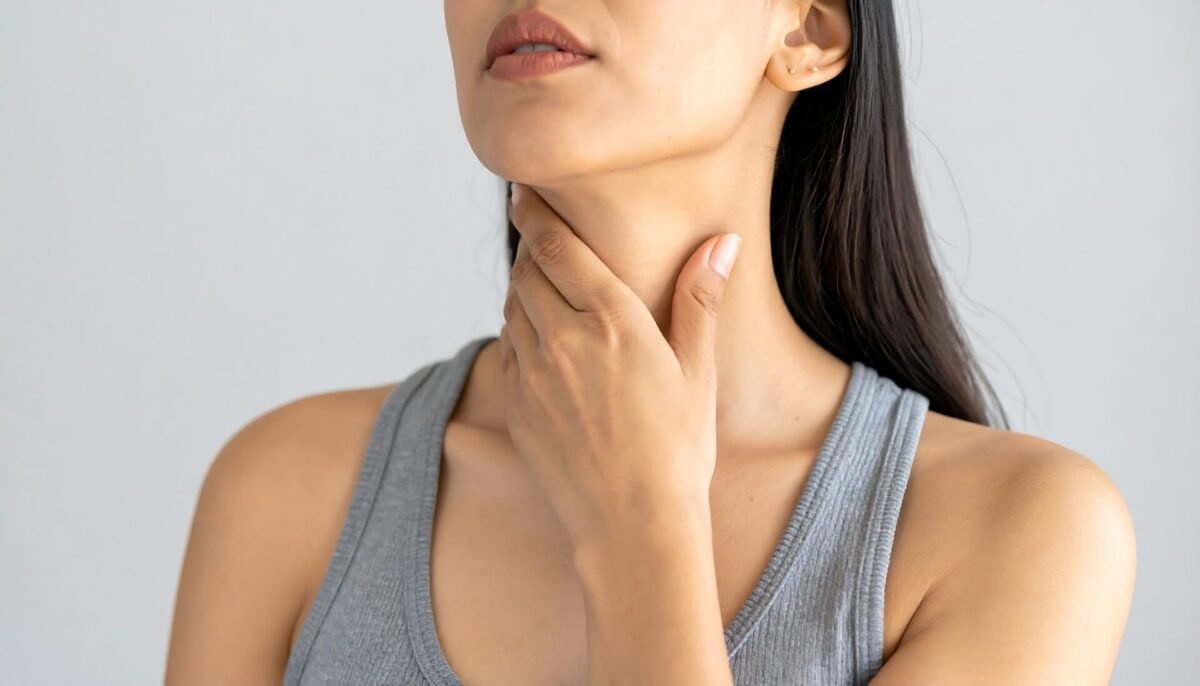
Lymphatic drainage can help alleviate anxiety.
Here’s why: Your lymphatic system helps clear toxins, cellular waste, old hormones, and inflammatory debris from the body. When lymph flow becomes congested, those substances can build up in the tissues and brain, contributing to inflammation, heaviness, brain fog, emotional fatigue, and a nervous system that stays stuck in fight-or-flight. In other words, when lymph gets stuck, your mind can feel stuck too, contributing to anxious thoughts and feelings..
Lymphatic support helps the body clear stagnation, reduce stress hormone burden, and ease physical tension, and promote a greater sense of calm, clarity, and emotional balance. Research has shown that manual lymph drainage can significantly increase relaxation and reduce psychological stress. It also helps you release emotions from the tissues that contribute to anxious feelings, racing thoughts, and that constant feeling of being “on edge.” This reduces cortisol, anxiety, racing thoughts and emotional overwhelm.
When you release what you’ve been holding— both physical congestion and emotional blockages—you create more space for healing. Your body stores not just physical toxins, but emotional ones too. Stress, anxiety, old traumas, and unresolved feelings can all linger in your tissues.
As lymph begins to move, you may notice not just physical relief, but emotional release too—as if the body is finally letting go of what it has been holding. Supporting lymph flow doesn’t just help you feel lighter in your body. It can help you feel lighter in your mind, too.
How Lymph Flow Helps Anxiety:
Your lymphatic system clears waste that can contribute to underlying physical and emotional tension. It has also been found to reduce anxiety and help to:
- Activate your Parasympathetic Nervous System: Your lymphatic system is deeply tied to your nervous system. Healthy lymphatic drainage signals the nervous system to relax, activating the parasympathetic nervous system, the branch of the autonomic nervous system responsible for rest and relaxation and reducing sympathetic dominance associated with anxiety and stress. Research links lymphatic drainage with a sense of deep relaxation, linked to lower blood pressure, slower heart rate. Further research on the “Effects of lymphatic drainage therapy on autonomic nervous system” found stress levels “decreased significantly”
- Lowers Stress Hormones (Cortisol): High-stress levels increase cortisol and stall lymph flow, leading to inflammation. Enhancing lymph movement helps reduce cortisol while increasing feelings of calm and lowering the feeling of anxiety and overwhelm. Research on “Effects of simplified lymph drainage on the body” found that lymph drainage decreased cortisol levels by 44%.
- Releases Physical Tension: Anxiety often leads to tension in the neck, shoulders, and jaw. Lymph drainage relieves this tension, calming the body-mind connection and reducing brain arousal associated with psychological stress.
- Enhances the Body’s Detoxification Process: The lymphatic system plays a critical role in detoxification, as it helps the body’s ability to clear waste and promote overall detoxification. The accumulation of toxins in the body can contribute to feelings of fatigue, brain fog, and poor mental clarity. Lymphatic drainage directly enhances the brain and nervous system, ensuring they have the necessary resources to function at their best. This promotes enhanced mental capacity, clearer thinking, better focus, and a sharper mental and emotional state.
- Boosts Brain Health/Detoxification: Proper lymph drainage supports the removal of metabolic waste and toxins. This reduces “brain fog” and enhances mental clarity, aiding in emotional regulation. Research on the “Effects of manual lymph drainage on the brain activity of subjects with psychological stress” found that lymph drainage “showed a significant increase in relaxation” that reduces ”psychological stress”.
- Reduces Emotional Tension: As lymphatic pathways open, it can induce a deep sense of peace and sometimes allow stored emotions to be released. The calming effects can reduce anxiety levels, helping to create a state of mental calm and tranquility.
- Clears Inflammation That Contributes to Emotional Stress: When lymph flow slows, stagnant lymph fluid contributes to swelling and inflammation that can fuel anxiety. Inflammation releases cytokines that act as brain messengers, altering mood-regulating circuits and increasing activity in the amygdala which can drive anxiety. Lymphatic drainage clears stagnation so your body can return to a state of flow mentally & physically.
- Improves Sleep Quality: Lymph drainage promotes deeper, more restorative rest which helps to calm the brain’s emotional centers and ease anxiety. Deep sleep acts as a natural anxiolytic and emotional regulator, helping to reorganize neural connections, lowering anxiety levels.
- Enhances Mood: Lymphatic drainage contributes to psychological stress relief. Eliminating toxins, including old hormones, can reduce the levels of stress hormone in the body. This reduction in stress hormones helps to elevate mood and create a general sense of well-being.
- Supports Hormone Regulation: Lymphatic drainage may help to regulate the production and release of various hormones in the body which can, in turn, improve and reduce anxiety. Stimulating the lymphatic system can improve the body’s ability to clear itself of old hormones, chemicals, cellular debris, metabolic waste, etc. This reduces stagnation and inflammation in the tissues of the body and the brain, and literally helps to clear the very substances that can cause feelings of anxiety. As the body is cleansed of toxins, the levels of stress hormones decrease, creating a sense of relaxation and mental peace.
How anxiety affects the lymphatic system?
Anxiety also impedes lymph function. For example, anxiety activates the sympathetic nervous system — the “fight or flight” mode — and keeps the body in a state of high alert. This prolonged stress response causes several ripple effects that directly influence the lymphatic system, contributing to:
Muscle tension: Anxiety tightens muscles throughout the body, especially in the neck, shoulders, and jaw — areas rich in lymph nodes. When these muscles stay contracted, lymph flow can slow or stagnate. This can contribute to symptoms like:
- TMJ tightness
- Clenching or grinding
- Tension headaches
- Neck & shoulder strain
Shallow breathing: Anxiety contributes to shallow chest breathing, reducing lymphatic movement in the chest. The lymphatic system relies on rhythmic muscle contractions, diaphragm movement to move lymph fluid.
Cortisol overload: The stress hormone cortisol is released in response to anxiety, resulting in metabolic acidosis. Cortisol’s acidic nature can cause a breakdown of lymphoid tissue and impede lymphatic flow. This slows immune cell movement and increases lymphatic congestion.
Vasoconstriction in lymphatic vessels which impedes fluid flow in the body. Lymphatic drainage works by gently stimulating superficial vessels to encourage fluid movement. Anxiety triggers the fight or flight system which constricts fluid movement.
Disruption in the brain’s glymphatic drainage, affecting memory and mental clarity. The lymphatic system detoxifies most efficiently while we rest. Anxiety interferes with sleep. A study published in The Journal of Clinical Investigation found that chronic stress impairs meningeal lymphatic function, reducing the brain’s ability to clear waste and leading to cognitive decline. Another study demonstrated that lymphatic stagnation worsens neuroinflammation after chronic psychological stress.
Essential Oils for Lymphatic Drainage
Topically applied essential oils help enhance circulation and fluid flow. Lymph encourages optimal lymphatic circulation to help open up routes of elimination and alleviate congestion.
Scientific studies have shown that these oils can enhance lymphatic flow, promoting a natural pathway for detoxification and bolstering the immune system. A study published in the Journal of Alternative and Complementary Medicine highlights the effectiveness of essential oils in promoting lymphatic circulation, offering a natural approach to enhance detoxification and immune function.
Essential oils help keep plants healthy by facilitating the movement of vital fluids and energy within them. They transport water from the roots to the leaves and perform similar functions in your body, helping to move energy, flush toxins like viruses and heavy metals, and prevent stagnation.
They perform similar functions in your body, helping to move energy and prevent stagnation. For example, essential oils help open drainage pathways, such as those in the lymphatic and circulatory systems, to improve the flow of energy and toxins through the blood, into the detoxification organs, and then out of the body. Similarly, if your liver becomes stagnant, from physical toxins, stress, or anxiety, it impedes detoxification. Essential oils are a powerful tool to help shift stagnation and improve the flow of energy and toxins through the liver and gallbladder.
Essential oils can also resonate with the frequency of healthy organ tissue and send safety signals to the body, heart, and brain, allowing you to gently release and transmute trapped emotions that may be contributing to physical congestion and stagnation. Essential oils can help shift your body into alignment, allowing toxins to flow out of your body rather than backing up in your bloodstream. More specifically, topically applying essential oils to specific points on the skin can activate energy flow directly and quickly, stimulating the liver and gallbladder to help toxins flow out of the body instead of back into the bloodstream.
Many essential oils have been found to have anesthetic properties, which helps explain their value in supporting drainage pathways. (Study) Science magazine reported that certain types of anesthetics, or substances that reduce sensitivity to pain, dramatically increase the space between cells, allowing fluid to flow more easily and helping wash the brain. Studies have verified the sedative and anesthetic properties of essential oils like clove, eucalyptus, lavender, fennel, black pepper, and peppermint. (Study) For example, the administration of clove oil, which is high in the constituent eugenol, dramatically decreased the time required for the induction of anesthesia. Similarly, both fenchone, a constituent of fennel essential oil, and linalool, a naturally occurring constituent in lavender oil, have acute local analgesic effects.
Lymph™ for the Lymphatic System
Lymph™ may help enhance lymphatic flow and drainage.
Your lymphatic system, a network of vessels, glands, and nodes that works in conjunction with your circulatory system to fight infection and drain fluids from body tissues into the bloodstream, where the liver purifies them. Before returning fluid to the blood, lymph nodes filter out bacteria, toxins, and viruses, allowing immune cells to deal with them.
The primary role of the lymphatic system is to cleanse the body of external toxins and internal cellular waste, as well as damaged proteins. If the lymph becomes congested or stagnant, tissues may swell, resulting in fluid build-up and retention, which significantly compromises your ability to drain and eliminate toxins.
Emotions like fear and sadness may contribute to a sluggish, congested, and stagnant lymphatic system. Emotions are thought to reside in the fluid of your tissues, and your lymphatic system helps support the healthy flow of this fluid throughout your body. Stress, anxiety, old traumas, and unresolved feelings linger in your tissues, energetically impacting the flow of your lymph fluid. Stress, for example, triggers the release of cortisol, which can inhibit lymphatic flow and impair immune function.
To this end, lymphatic drainage may prompt emotional releases as the process of clearing out physical congestion also helps to process and release emotional blockages. Lymph can help release emotional tension by stimulating the lymphatic system and breaking down blockages that prevent emotions from flowing freely.
To enhance lymphatic flow and drainage, apply Lymph™ generously around the sides of the neck, under the armpits, and along the bikini line. Lymph flows more heavily down the left side of the body and can get congested around the left clavicle, so it is good to apply the Lymph™ blend right on the left clavicle bone. If you think about what oils do in plants, they help to move fluid through the plant so that the water gets from the roots up to the leaves, which can be hundreds of feet in the air. That’s what the Lymph™ oil is helping you do. It’s helping you move things.
It can be especially important to apply Lymph™ oil to the clavicles and the sides of the neck, as your neck is the critical intersection where your brain connects with your body. Oxygen, nutrients, and stimuli are carried between the brain and the body through nerves, blood vessels, veins, and the spinal cord, which travel through the spinal canal.
The lack of proper drainage in the neck is often correlated with many adverse detoxification reactions, like headaches, fatigue, brain fog, depression, anxiety, and pain. If toxins are mobilized and don’t leave the body, you will feel worse. Especially if you mobilize toxins in the brain, they can recirculate and potentially relocate to a position where they cause more inflammation and damage.
You can read more about lymph flow and moving lymph with essential oils HERE and HERE. The lymphatic system is an interconnected network of organs and tissues that help to rid the body of waste and toxins.
Featured Oils:
Ready to get started? Click the link below to order today: