That time of the month was always a nightmare for me—intense cramping and pain to the point that I would occasionally take the day off from work.
Until I started changing my diet, supporting my adrenal glands, and reducing my histamine sensitivity.
Many people don’t realize that histamine—a chemical messenger involved in your body’s inflammatory and immune responses—may play a role in premenstrual syndrome (PMS). Your body releases histamine before and during your period to aid with uterine contractions. The higher histamine levels to support uterine muscle contractions can lead to period cramps and other PMS symptoms.
Increased sensitivity to histamine, and its involvement in inflammation and smooth muscle contraction, can contribute to menstrual cramps and pain. Hormonal fluctuations, especially during the menstrual cycle, can influence histamine release from mast cells, potentially exacerbating pain and other symptoms.
Hormones like estrogen increase the amount of histamine released by mast cells in the uterus. Mast cells have receptors for estrogen. When estrogen binds to these receptors, more histamine is released from mast cells in your uterus. The more estrogen you have in your body, the more histamine is released. It follows that higher numbers of mast cells and more mast cell activity at menstruation could be a trigger for more period pain.
Mast cells also produce and release prostaglandins, which may influence uterine muscle contractions during menstruation, triggering inflammation and pain. Higher levels of prostaglandins trigger stronger contractions, resulting in increased pain.
Histamine is also a stimulating neurotransmitter that can cause anxiety and insomnia.
What is Histamine?
Histamine is a chemical compound released by mast cells, basophils, and specific neurons in response to injury, allergic or inflammatory reactions, causing contraction of smooth muscle and dilation of capillaries.
When your body senses a trigger, mast cells release histamines. Once released, histamines promote inflammation, including increased blood flow to the area. Mast cells have been found in various parts of the uterine tissue, including the myometrium (the muscular wall) and the endometrium (the lining of the uterus).
While the release of histamine is a standard defense mechanism, an exaggerated histamine response can bind to cell receptor sites, causing irritation and chronic inflammation. When it’s released, it can cause blood vessels to dilate, leading to redness and swelling, and it can also stimulate nerve endings, contributing to pain.
Histamine levels are designed to be kept in balance by two enzymes—diamine oxidase (DAO) and histamine N-methyltransferase—that break down excess histamine so you don’t end up with too much in your body. If histamine isn’t properly broken down, the excess builds up and causes symptoms, including period cramps.
Symptoms of High Histamine on Period Pain
The changes in histamine levels during the menstrual cycle can affect several different functions, including:
Breast tenderness: Elevated histamine levels can cause breast tissue to become more sensitive, leading to pain and tenderness.
Mood swings: Histamine can affect neurotransmitters in the brain, potentially contributing to mood swings, anxiety, and irritability during the menstrual cycle.
Headaches: Histamine can trigger headaches or migraines before your cycle.
Bloating: Histamine can affect gut motility and contribute to gastrointestinal discomfort, bloating, and changes in bowel movements.
Cramping: Histamine can cause blood vessels to dilate, resulting in increased blood flow to the uterus. This can cause pain and cramping during menstruation.
Poor Sleep: Histamine can interfere with sleep by stimulating the central nervous system. This can lead to difficulty falling asleep and staying asleep during the night.
Stomach Discomfort: Histamine can stimulate the production of stomach acid, leading to nausea, vomiting, and diarrhea.
Higher levels of inflammation: Period pain may result from higher levels of histamine, which can exacerbate cramps, bloating, and fatigue.
Heavy Bleeding: Excessive uterine bleeding is associated with histamine release due to the simultaneous release of heparin and heparin-like anti-coagulants. Heparin is a blood thinner that prevents blood clotting. Higher levels, due to increased mast cell activity, could cause heavier bleeding.
Interaction between Estrogen and Histamine
Hormonal fluctuations during the menstrual cycle can affect histamine levels.
Histamine interacts with hormones, particularly estrogen and progesterone, which can influence its levels and effects in the body, especially during your menstrual cycle.
Estrogen is an immune system stimulator. It triggers the release of histamine from the mast cells in the ovaries and uterus. Progesterone works to counteract the effects of estrogen, helping to regulate the release of histamine and support your body’s natural breakdown of histamine. In the premenstrual phase, when estrogen levels may be high and progesterone is declining and less available to slow down excess histamine, histamine release can be increased, potentially leading to more pain.
Estrogen and histamine influence each other, with estrogen triggering the release of histamine from mast cells, and histamine stimulating further estrogen production, creating a cycle. The more unopposed estrogen we have roaming around our bodies, the more histamines are produced. And unfortunately, the more histamines we have, the more estrogen is produced by the ovaries. What’s more, estrogen can hinder the enzyme diamine oxidase (DAO), which is responsible for breaking down histamine, potentially leading to higher histamine levels and more pronounced symptoms.
The interaction between estrogen and histamine goes both ways:
Histamine has an additive effect on estrogen, which can raise estrogen levels (think heavy periods, endometriosis, migraines).
When your estrogen levels are high, mast cells are stimulated to release more histamine.
In other words, more estrogen means you release more histamine than you can break down, and since histamine turns up estrogen production, it can quickly become a vicious cycle. Estrogen is often at its highest point right before ovulation, so symptoms are often worse here.
According to a study published in the European Journal of Obstetrics & Gynecology and Reproductive Biology, mast cell activation and a surplus of histamine release may cause excessive uterine bleeding and heavy periods. They may increase period pain and cramps before and during menstruation.
Research on Histamine receptors in the female reproductive system found that histamine receptors play a critical role in the menstrual cycle. A chemical called prostaglandin causes your uterus to contract and expel the uterine lining. Higher levels of prostaglandin and these contractions cause pain and cramping.
Essential Oils for Histamine Modulation
Many essential oils can help alleviate inflammation and act as natural antihistamines to stabilize mast cells and relieve symptoms associated with heightened histamine levels, including those found in the Histamine Balance™ blend.
The goal is to balance, not block, the histamine response as histamine performs critical functions in the body, contributing to HCL production and neurotransmitter signals. Because essential oils are gentle natural solutions, they can provide you with gentle relief, without throwing your body’s natural system off balance.
The essential oils in the Histamine Balance blend are uniquely suited to modulate excess histamine excretion, thereby balancing histamine levels and helping to reset the immune response, as well as reduce cramping and pain associated with PMS.
These essential oils are derived from herbs that possess powerful antihistamine properties, and the essential oils concentrated from these herbs often contain those same beneficial properties. One of the key essential oils in our Histamine Balance™ comes from the herb rosemary. Rosemary has detoxifying properties and can gently support the liver in releasing toxins that may be the underlying cause of histamine overreactions or mast cell activation.
Research has found that several essential oils contained in the Histamine Balance™ blend possess histamine-modulating properties. For example, Lavender essential oil helps reduce inflammation and inhibit histamine release. Research on the “Effect of Lavender Essential Oil on Acute Inflammatory Response” found that “lavender oil may inhibit histamine release from mast cells.”
Similarly, Peppermint essential oil contains the chemical constituent Menthol, which acts as a natural decongestant and has been shown to inhibit histamine release.
What’s more, Roman chamomile essential oil has been found to inhibit histamine release from mast cells. Research on “Anti-allergic activity of German chamomile in mast cell mediated allergy model” indicates that chamomile can help stabilize mast cells, thereby reducing the release of histamine, which is a key mediator in allergic reactions and inflammation.
Blue Tansy is known for neutralizing histamine and helping to control allergic reactions. Research on “Chemical Characterization and Antifungal Activity of Blue Tansy Essential Oil” found that Blue Tansy, which has a deep blue hue due to the chemical constituent chamazulene, a powerful sesquiterpene, is used in traditional medicine as an anti-inflammatory and anti-histamine.
Essential oils with antihistamine properties are an ideal natural approach to mitigating the inflammatory response triggered by histamine, as they can naturally stabilize mast cells and easily permeate our nasal cavities to loosen mucus and promote drainage.
Histamine Balance™
The essential oils in the Histamine Balance blend are uniquely suited to modulate excess histamine excretion, balancing histamine levels and helping to reset the immune response and reduce allergic reactions.
To support the modulation of histamine involved in PSM discomfort, topically apply Histamine Balance™ blend in a clockwise circle around the belly button. You can also apply behind the ears, on the back of the neck, and on the bottom of the feet.
READ THIS NEXT: Essential Oils for Histamine Balance
Adrenal®
Healthy adrenal glands can help ease PMS symptoms.
Your adrenals—small glands on top of the kidneys—help determine and regulate the body’s stress response by secreting key hormones, like cortisol and adrenaline (epinephrine), which support your ability to respond to stress rapidly.
Prolonged periods of stress can prioritize the production of cortisol over other hormones, throwing your hormones out of balance, which can potentially contribute to more severe and irregular PMS symptoms. Studies have consistently linked PMS symptoms to adrenal fatigue. Much like adaptogenic herbs, Vibrant Blue Oils Adrenal® blend helps increase the body’s ability to adapt to stress and maintain healthy adrenal function, supporting hormonal balance. Applying Vibrant Blue Oils Adrenal® over the lower back helps restore balance to the adrenals and the hormones they release, which can help alleviate and diminish PMS symptoms.
PMS Support™
PMS Support™ may help alleviate pre-menstrual discomforts, reduce bloating, and help with relaxation and depression.
Formulated with a proprietary blend of organic and/or wild-crafted essential oils to assist in balancing hormones and alleviating pre-menstrual and menstrual cramps, discomfort, and other associated problems, PMS Support™ includes Clary Sage, which may help support hormonal imbalance, menopause problems, PMS, and menstrual cramps. Smelling Clary Sage has been shown to reduce cortisol levels, which may help lift mood and reduce stress levels.
The blend also contains Geranium, which has been shown to regulate and restore adrenal and cortisol function, potentially helping to manage PMS symptoms. Research on the “Effects of essential oil exposure on salivary estrogen concentration in perimenopausal women” found that the inhalation of Rose and Geranium essential oils increased salivary estrogen concentration, leading to the conclusion that “olfactory exposure to some essential oils can influence salivary concentration of estrogen.” Similarly, research on “Effects of geranium aroma on anxiety” found that inhaling Geranium essential oil helped to reduce anxiety.
You can help relieve PMS symptoms by massaging 2-3 drops of PMS Support™ over the abdomen to reduce menstrual cramps. PMS Support™ can also be applied over the lower back, lower abdomen, and around the ankles. Apply a hot compress to areas of discomfort.
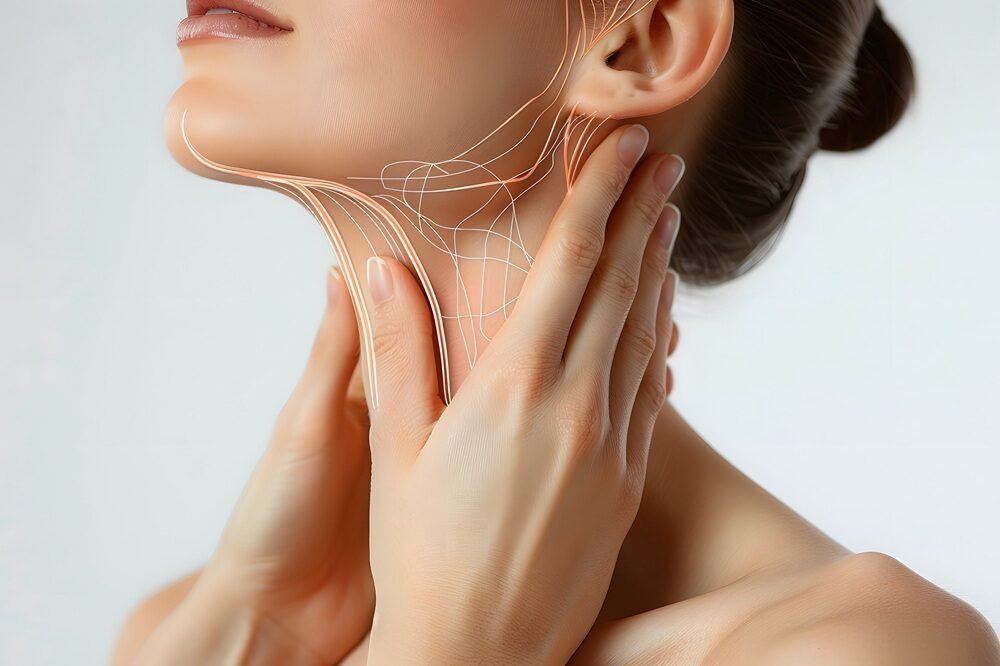
Вашата лимпфатична система поддържа всяка система в тялото ви. Тя включва обширна мрежа от съдове, които преминават това почти всички тъкани в тялото ви, което позволява движението на течност, наречена лимфа. Лимфните циркулации през тялото по подобен начин на кръвта. В тялото има около 600 лимфни възли. Те набъбват в отговор на инфекция поради натрупване на лимфна течност, бактерии или други организми, както и на клетките на имунната система.
Вашата лимпфатична система играе ключова роля в имунната ви система, баланса на течностите и абсорбцията на мазнини и мазнини разтворими хранителни вещества. Когато потокът на лимфата се забави, токсините, възпалението, резиденцията на течности и храносмилателния дискомфорт могат да OCD. Подобряването на лимфното движение помага за детоксикацията на тъканите, намалява възпалението, поддържа имунитета и улеснява храносмилането.
Можете да подобрите лимпатния дренаж и Здравословен поток на течността в тялото чрез локално прилагане на етерични масла върху специфични точки на лимпатични задръствания в определен ред. Стимулирането на тези точки с етерични масла може да помогне за улесняване на движението на хранителните вещества в тъканите чрез притока на кръв (артерии) и остатъците от отпадъци от тъканите чрез лимфалатици и кръвен поток (венини).
Този нежен, неинвазивен протокол намира естествения поток на лимфната течност, което е от решаващо значение за имунната функция и отстраняването на отпадъците. Той насърчава ефикасния лимфен поток, като същевременно засилва имунната функция, намалява възпалението и подпомага детоксикацията.
Големият 6 лимфен протокол за отводняване
Лимфният дренажен масаж използва нежни, ритмични инсулти, за да стимулира потока на лимпфатична течност от подути зони към лимфни възли, които след това се оттичат в кръвта.
Вашата лимпфатична система работи върху градиенти на налягането, движеща се течно-налягане на налягането (като Extmitters) към зоните на притискането на притискането (като областта на ключалката). Следователно е важно да се отворят райони на задръствания в определен ред, за да се създаде „вакуум“ за лимфа в околните тъкани. Колегата ми Пери Никерсън от STOP преследва болка създаде лесен за футолоу 6-стъпка протокол, за да стимулира шестте основни точки на лимпфатична задръствания.
Насочването на тези сайтове в предписания ред действа като нежна помпа, ръководейки лимпатична течност през естествените му пътища, за да улесни детоксикацията и да намали възпалението.
Започнете с зоната на ключалката, за да изчистите първичните дренажни пътища, като разграничаването, че следващите региони имат ясен път за поток на лимфната течност. Прескачането или пренареждането преди стъпките могат да доведат до задръствания, тъй като пътищата надолу по веригата могат да останат блокирани, дренажът от дренаж от зоните нагоре по течението.
Симптоми на лимпфатична задръствания
Ако вашата лимпфатична система е конизирана, може да се повлияе елиминирането, детоксикацията и имунитетът, което води до симптоми, като:
Болезненост и/или скованост сутрин
Умора или липса на психическа яснота
Суха или сърбяща кожа
Лек обрив или акне
Задръствания, задушна глава, синус или пародонтална инфекция
Задържането на вода/ пръстени се стеснява на пръстите
Мозъчна мъгла
Студени или подути ръце и крака
Наддаване на тегло и допълнителна мазнина от корема
Издуване или задържане на вода
Подути жлези или стави (колене, лакти, глезени, китки, нежност на гърдата)
Слаба имунна система или увеличаване на чувствителността към инфекции
Леко главоболие
Високи нива на хистамин и раздразнения поради общи алергени на околната среда
Понякога Констанс, диария и/или слуз в изпражненията
Хипсенситивност
Прочетете това следващо: Дълбока лимфатична застой
5-минутен масаж на лимфния поток /ритуал на прилагане на лимфата на 60 секунди
Подготовка: 1. Отпуснете нервната си система: Създайте удобно пространство, локално приложете парасимпатиковата смес зад ушната мида върху мастоидната кост, за да активирате вашата парасимпатикова нервна система и изпратете сигнали за безопасност към лимфатичната система.
2. Локално прилагайте лимфната смес: (Използвайки бутилката с ролки от 10 ml или малко количество на върха на пръстите си) Към зоната прилагайте движенията на лекото налягане с пръсти, за да стимулират лимпатичната система и да помогнат за придвижването на лимфната течност.
3. Масаж: Използване на леки, нежни, ритмични удари, прилагайки достатъчно налягане, за да разтегнете кожата леко. Избягвайте да копаете или натискате силно.
Стъпка по стъпка ритуал/рутина:
Стъпка 1:Ключица (супраклавикуларни лимфни възли): Торакалният канал, най -големият лимпфатичен съд в тялото, носи лимфа от долните квадранти на тялото, както и от левия горен квадрант обратно в кръвта. Обикновено се прекратява (завършва) във венозната (кръглата) система, най -често на кръстовището на левия подклавийски и ляв вътрешен юдаен Tenins, разположен в кухината над ключицата. Започнете от меката куха над ключицата в триъгълното гъвкаво пространство, масажирайки нежно. Move Your Fingers Gently Underneath the Collarbone, Brushing from the Inside Out, The From The Outside In, To, to Изчистете пътя За излишна течност към тялото. Това спомага за намаляване на налягането в райони, където лимфната течност може да бъде застояла или да се установи, като я насочи към основните дренажни точки.
Стъпка 2: Страна на шията при С1/С2 (цервикални и надклавикуларни възли). Лимфните възли са силно концентрирани във врата, където задръстванията могат да възпрепятстват дренажа на мозъка. Започнете с леко разтриване на югулодигастралния възел, голям лимфен възел, разположен зад и под ухото, където челюстта среща шията. След това поставете ръцете си под челюстта на врата и леко издърпайте кожата на врата към гърба си, надолу към рамото. Ударете нежно надолу от челюстната линия до ключицата с нежно налягане (3-5 удара от всяка страна). Това стимулира цервикалните лимфни възли, разположени по страните на шията. Нежно работете по пътя си надолу в тялото, за да предотвратите обратния поток. Тази повторение, че лимфната течност не е изтласкана в консонирани райони, като потенциално причинява повече подуване или дискомфорт и позволява по -ефективност и допълнителен дренаж на лимпфатична течност от цялото тяло.
Стъпка 3: подмишница (аксиларни лимфни възли): Разтрийте и докоснете под подмишницата, за да стимулирате дренажа от горната част на тялото. Районът на подмишниците съдържа аксиларни лимфни възли, които играят решаваща роля за източване на лимфа от ръката и гърдите. Поставете ръката си под подмишницата и внимателно изпомпвайте нагоре и към тялото. Можете също така да направите нежни, кръгови движения, да се помитате към центъра на гърдите, обратно от гърдите си към подмишниците ви, за да стимулирате лимфните възли в зоната на подмишницата.
Стъпка 4: Корем (пара-аортични, пери-аортични и местерични лимфни възли): Лимфните възли, разположени в коремната кухина, играят съществена роля в имунната система на тялото ви, филтрирайки лимфната течност, улавяйки бактерии и вируси и в крайна сметка връщат течността на Filtern в кръвта. Подкрепящият лимфен дренаж в корема може да помогне за подпомагане на храносмилането и цялостното здраве на червата чрез насърчаване на движението на лимфната течност в този регион.
Започнете с масажиране около кораба в нежни кръгови движения по посока на часовниковата стрелка (като се започне от дясната страна на корема, придвижвайки се вляво), за да намерите потока на лимфата в областта на корема.
Можете също така да освободите леко Cisterna Chyli, разширен сак в лимпфатичната система, която служи като резервоар за лимфната течност, разположена от дясната страна на корема, обикновено зад аортата и пред гръбначния стълб. Cisterna Chyli служи като кондуст за лимфа от долните крайници, таза и корема, в крайна сметка я насочва към гръдния канал. За да помогнете за източването на цистерна чили, останете малкия си пръст върху корема, натиснете надолу в стомаха и върху изход, загрейте до стената на гърдите. Вдишайте дълбоко, докато масажирате и издишайте бавно, визуализация релаксация в корема си. Съсредоточете се върху това за 1 минута.
Стъпка 5: Слабините (ингвинални лимфни възли): Поставете ръцете точно под гънката на тазобедрената става, леко издърпайте кожата и нагоре. Нежно масажирайте по протежение на слабините, създадени в кръгови движения, плъзгайки се надолу към вътрешното бедро за (3 кръга и мете всяка страна), за да помогнете за преместване на лимфната течност от краката и улесняване на дренажа от долната част на тялото.
Стъпка 6:Зад коленете (Поплитеал): Поплитеалните лимфни възли са струпване на лимфни възли, разположени зад коляното, Игра Роля за филтриране на лимфната течност от долната част на краката и стъпалото. Започнете с масажиране и потупване зад коленете, за да помогнете за източване на лимфа от долните крака. Натиснете нагоре в задната част на коляното и разтрийте с нежни, движения кръг.
След като залепите всичките шест точки, извършете нежно движение, като Buncing или разклащане, в продължение на 30 секунди, за да активирате допълнително лимпатичния поток.
Прочетете това следващо: Подкрепете Juint Health
Лимфно етерично масло
Локално приложените етерични масла помагат за подобряване на циркулацията и потока на течността, като оптимизират ползата от практиката Big 6.
Лимфа Насърчава оптималната лимфна циркулация, за да помогне за отваряне на маршрути на елиминиране и задръстване.
Научните проучвания показват, че маслата могат да засилят лимфния поток, естественият промотиращ път за детоксикация и засилване на имунната система. Проучване, публикувано в Списание за алтернативна и допълваща медицина Подчертава ефективността на етеричните масла при насърчаването на лимпатичната циркулация, предлагайки естествен подход за засилване на детоксикацията и имунната функция.
За да подобрите лимпатичния поток и дренаж, жалко, приложете Lymph ™ върху гънката на тазобедрената става и гърба на коляното, за да помогнете за увеличаване на лимпатния дренаж и циркулация. Повишаването на притока на кръв към коляното ускорява заздравяването, тъй като богатата на хранителни вещества кръв се въвежда отново в района.
След прилагане на Lymph ™, Можете леко да изпомпвате ставите си. Използвайте апартаментите на вашия институт за ръце на пръстите си, за да позволите повече контакт с кожата да стимулират лимфните съдове. Прилагайте леко налягане – просто достатъчно налягане, за да разтегнете леко кожата, доколкото естествено стига. След това освободете налягането и оставете кожата ви да се върне в първоначалното си състояние. Ако можете да усетите мускулите си под пръстите си, натискате твърде силно.
Собствените формулировки на Vibrant Blue Moits Body Balance Lymph ™ включват ценни съотношения на органични и/или диви изработени терапевтични етерични масла в базата на фракционирано кокосово масло:
Палмароза (Cymbopogon Martini): Помага за стимулиране на клетъчната регенерация, повторно оскърбяване на физиологичния баланс на кожата и чревни лечения (бактериални, включително, вирусни и YAST инфекции). Мускулна тоник, Palmarosa помага за стимулиране на мудно храносмилане, нормализиране на щитовидната жлеза, отпускане на стегнати мускули и затопляне на тялото. Той помага да се успокоят прекомерните емоции. Той също така помага да се лекуват много тревожни разстройства, както и нервно изтощение, състояния, свързани със стрес, сутрешна умора и основна раздразнителност.
Spearmint (Mentha Spicata): Тя е освежаваща за мускулната, нервната и жлезистата система. Той помага да стимулирате кръвообращението ви.
Vitex Berry (Vitex agnus Chasus): Помага за регулиране на черния дроб и червата, за да функционира правилно. Регулира женските хормони, като действа директно върху хипофизната жлеза, помага за целевите нива на серумния естроген и повишава нивата на прогестерон. Това масло традиционно се използва при лечение на женски хормонални проблеми. Той помага за регулиране на менструалното кървене и спомага за облекчаване на спазмите и депресията на PMS. Освен това помага за облекчаване на болката в гърдата и подуване. Той отпуска нервите, успокоява мускулните спазми, облекчава болката и отока и работи като диуретик.
Ylag Ylang (Cananga Odorata Genuina): успокоява ума и успокоява нервната система. Той има силни антидепресантни свойства и помага да се приведат емоциите в правилен баланс. Той помага за умственото облекчение умора, тревожност и главоболие на напрежението и спомага за балансирането на баланса и функцията на сърцето и белите дробове, забавяйки бързото дишане и сърцебиенето.
Amado por su aroma fresco, floral y relajante, la lavanda puede ayudarlo a invitar momentos de paz durante su arroyo de yoga. Trate de extenderlo en su espacio a Maininin a un ambiente relajante.
2. El aceite Estenal de Frankinse
Tradicionalmente se usa para aumentar la conciencia espiritual, Ladan tiene una larga historia de uso en prácticas espirituales y meditación. La conexión a tierra de Aroma es que va bien con poses de conexión a tierra como un árbol, una montaña y un guerrero.
3. Un aceite esencial de sándalo sagrado
Al igual que Ladan, este rico aceite de madera se ha utilizado durante siglos en meditación. Pon una gota en tu tercer centro de ojo entre las cejas mientras te enfocas en sacar tus pensamientos de distraer y permanecer ahora mismo.
4. Una mezcla de aceite esencial Value®
Es una mezcla de ladan, abeto negro, tancy azul y aceites esenciales de Palisander. Aplíquelo localmente para equilibrar y alinear el aroma mientras trabaja para encontrar estabilidad en cada postura.
5. Mezcla de aceite esencial de mayor potencial ™
Esta poderosa mezcla combina los aromas de elevación e inspiradores de 23 aceites esenciales, incluidos el aceite de lavanda, Ladan y Royal Hawaiian Sandalwood ™. Es ideal para difundir su práctica o aplicar la localización antes de ingresar a Savasana.
Essential oils can help support trauma release and emotional regulation via your sense of smell.
Your sense of smell has direct access to the brain, allowing you to bypass mental resistance and go straight to the subconscious to help unravel trauma, both physically and emotionally.
Somatic therapy—a body-centered approach to trauma that focuses on sensations in the body, including smell—can help you release the physical and emotional effects of past trauma.
Your body registers, holds, and expresses traumatic experiences and emotions on a cellular level. This means traumatic events can impede or even sever your connection to signals from your body. This can leave you feeling disconnected and may make it difficult for you to notice what your body needs and how it feels. This lack of awareness can keep you stuck in fight or flight or other maladaptive stress responses.
Somatic practices can help you reconnect with and explore physical sensations, breaking the survival patterns that may keep you stuck in a state of high alert.
What is Somatic Therapy?
Somatic therapy helps you access and release the unresolved emotional issues and trauma that may become ‘trapped’ in your tissues by helping you focus on and connect with your body.
The word “Somatic” is derived from the Greek word “soma”, which means body. The intentional and focused practice of somatic therapy can help you become aware of and pay attention to sensations in your body, as well as how emotions manifest within the body and the nervous system.
Somatic practices may enhance your ability to sense, interpret, and act upon bodily signals, and help you feel safe. This safety can help calm your nervous system and put your body into coherence, allowing a safe space to process and transmute trauma and challenging emotions that are stuck in your nervous system and body.
While dissociation pulls you out of your body and numbs you to emotional pain, somatic practices enable you to connect with your body so you can access and process the trauma. Somatic practices may help to clear disruptions in nervous system energy and enhance heart coherence.
Somatic healing may help bring awareness to your body’s sensations and responses, which can aid in improving emotional regulation. When you can observe and understand how your nervous system reacts and adapts to different situations, you begin to recognize patterns of stress responses—fight, flight, and freeze—and how these can become maladaptive after trauma. By bringing conscious awareness to these patterns, somatic healing allows you to retrain your nervous system, guiding it towards a balanced and more adaptive response.
In essence, somatic healing supports the nervous system’s natural tendency to regain balance, acting as a catalyst in the healing process.
Signs You Might Benefit from Somatic Therapy
Somatic practices may help support emotional, psychological, or physical issues. You may benefit from somatic therapy if you are experiencing any of the following:
Chronic Stress
Anxiety
Depression
Unresolved Trauma or Post-Traumatic Stress Disorder (PTSD)
Chronic Physical Pain or Tension (headaches, muscle tension, or digestive discomfort)
Low Energy or Fatigue
Trust and Intimacy Issues
Overthinking or Ruminating
Difficulty with Emotional Regulation
Self-Esteem Challenges
Disrupted Sleep
Inability to Concentrate.
Unexplained physical symptoms often signal unresolved emotional pain. Somatic therapy aims to drain those emotions of their power, helping to transform these patterns by addressing how your body has been patterned by stress and supporting its return to regulation, which may both relieve pain and other manifestations of stress.
Emotional Release and Somatic Therapy
Connecting with your emotions is a vital aspect of healing, especially when you have experienced trauma. That said, identifying and understanding your feelings can be challenging. If you are working through trauma, certain emotions might feel difficult to access or may bring discomfort. It is often through subtle somatic cues and changes in our bodily sensations that we can help you recognize the emotions you are experiencing.
By focusing on the sensations underlying your emotions, you can recalibrate your subconscious process of evaluating safety and threat in your environment, known as neuroception. By paying attention to these bodily sensations, you can cultivate a deeper awareness of your emotional state and, in turn, gain a better understanding of your body’s needs.
Somatic work can help you interpret the signals you experience, both internally (interoception) and in response to external stimuli (exteroception), to assess your sense of safety and overall well-being.
Trauma contributes to maladaptive internal and external responses. For example, the emotions of excitement and anxiety can provoke similar physical sensations—a racing heart, quickened breath, a rush of adrenaline. Consequently, you may misinterpret the bodily sensations of excitement as overwhelming anxiety. Developing a somatic understanding of your body can help you distinguish between these emotions, enabling you to respond more accurately to your experiences.
Trauma can also impact your capacity to experience positive emotions. In the aftermath of a traumatic event, you may struggle to reconnect with feelings of joy and happiness. Somatic practices can help foster a deeper awareness of your body and its sensations, allowing you to gradually enhance your capacity to experience and savor positive feelings as they arise.
By paying attention to sensations, you can help recognize and recalibrate the ongoing dialogue within your body, fostering a sense of connection with it. Over time, this mindful awareness can help alleviate trauma symptoms, as it aids in regulating the nervous system and promoting a more harmonious mind-body relationship.
Somatic Therapy and Smell
Somatic therapy and smell are interconnected through how you perceive sensory information, including smells, and make sense of the world through your senses.
Of the five senses, smell is the most powerful and underutilized, especially in practices of embodiment and safety.
Smell is more than just perception—it’s chemistry. When you inhale, you aren’t just identifying scents, you are physically breaking down molecules that interact with the brain, creating reactions that influence your emotions, mood, and memories.
Your sense of smell can be used to calm your danger response. Nobel prize-winning researcher Linda Buck found that rose essential oil can counteract your brain’s response to predator odor and fear. Her research found that inhaling rose essential oil in the presence of other fear stimuli can suppress your brain’s stress responses and hormonal signals.
The energetic imprint of different plants also supports somatic practice. Essential oils carry not only the scent but also the life force and energetic signature of the plant. As you may know, every living thing is made of energy, and it has its unique signature vibration. Negative emotions are believed to be a result of a disruption in the body’s energy system.
Your body responds to the energetic field of the plants. The inhalation pathway directly connects to the brain, meaning that smell alone can shift your entire vibration, altering your emotional state in an instant. Inhaling the vibrational essence of plants affects the energetic field of the body and brain, which then provides the energy to transmute trauma and difficult emotions. When you change the field, you stimulate the body to return to alignment. This alters the way hormones are released and the way tissues and organs function.
Plants tend to offer an energy that remains relatively constant. This means that even though you can have lots of different experiences with a plant you love, the underlying feel will be similar and safe. The consistent nature of our relationship with plants can support a sense of security and safety that supports healthy co-regulation
The inhalation pathway allows for gentle and controlled titration of smell. You can introduce small, manageable amounts of fragrance to support healthy levels of stimulation without triggering overwhelm or re-traumatization due to the intensity of emotions or physical sensations. For example, if you are working through a complex emotion or memory, you can use a comforting smell in small, manageable doses to return to a state of safety and calm.
Research on “Smell, Odor, and Somatic Work: Sense-Making and Sensory Management” highlights how odor conveys meaning and olfaction supports compelling reflexive forms of somatic work by which people manage smell (as an act) and odor (as a sign).
Essential Oils and Somatic Therapy
Essential oils can amplify somatic practices. The strong connection between your sense of smell and your limbic system makes essential oils an ideal tool for both experiencing sensations and reconnecting to a feeling of safety as you work through these sensations. These actions help you reconnect with and ground in your body, which may help you bring your attention to the present moment and connect you with your physical sensations.
According to research on Aromatherapy through the lens of trauma-informed care,“essential oils are not just about their aromas but about the experience they facilitate – an experience of greater embodiment, awareness, and connection with oneself.”
Incorporating aromatherapy into your somatic practices may help create a strong association between the scent and your state of awareness. Over time, the smell itself can help you quickly access that mindful state. Many clients report that simply smelling a blend, such as Parasympathetic, triggers the same relaxing response as topical application.
These olfactory cues can create a more tangible link to different sensations or emotional experiences, supporting your sense of safety and awareness. To further support this awareness, try to notice how you feel before you smell the oil, observe what comes up for you as you anticipate smelling it, and then note the changes that occur when you smell the oil. Practice listening to what your body is saying. This not only helps you to become more attuned to your sensory experiences but also fosters a deeper understanding of how your body reacts to different stimuli. It’s a way of practicing the art of listening to the body, recognizing its signals, and responding mindfully and compassionately.
Parasympathetic®
Your autonomic nervous system is responsible for receiving information, processing it, and triggering the necessary responses, including coordinating and regulating the functions of all other bodily systems. Unfortunately, when the nervous system undergoes trauma, its delicate balance can be disrupted, triggering survival responses, such as a state of heightened sympathetic “fight” or “flight” response or a dorsal vagal “freeze” response, to help navigate threats.
While these nervous system states can support survival, they can often lead to a disconnection from your body and the sensations arising within you, in effect cutting you off from the very source of information you need to heal.
Somatic therapy focuses on subtle shifts and gradual adjustments to increase your nervous system’s capacity to experience a fuller range of sensations, thereby reducing the impact of trauma on your body and how you are showing up in life. This approach aligns with the natural rhythms of your nervous system, allowing it to comfortably adapt to and integrate new experiences, rather than being overwhelmed or rushed.
Essential oils are natural, non-invasive, and easy-to-use tools that can activate your parasympathetic nervous system in combination with somatic therapies. Oils possess both olfactory (smell) and transdermal (topical application) properties, making them easy to inhale and apply to the skin to stimulate the vagus nerve and activate the parasympathetic nervous system. Topically applying the Parasympathetic® blend behind the vagus nerve on the mastoid bone can help ground your energy, activate your parasympathetic nervous system, and help calm the emotional reactivity triggered by trauma. It helps soothe the physical sensations of fight, flight, or freeze that you feel.
READ THIS NEXT: Releasing Trauma with Parasympathetic
Fascia Release™
Trauma resides in your tissues, specifically in your fascia, the tissue that surrounds every cell in your body. Your emotions—or energy in motion—travel through your fascia to be released. When your fascia is tight and constricted, emotions do not flow freely and are not released; instead, they become trapped in your tissue.
You must release the fascia to release the trapped energy and negative emotions that are stored in the tissue. Fascia release practices are an invaluable “bottom-up” piece of nervous system regulation, where you tune into your body and the messages it has for you. When you learn to be present and signal safety from the level of the body and the cells, your body feels safe to discharge energy and emotions, helping to rebalance the nervous system and move beyond trauma.
Essential oils offer a safe and simple way to release tension that may be keeping you stuck and negative emotions from the tissue, creating an easy flow for healthy fascia. Releasing my fascia with Fascia Release™ essential oil has been extremely helpful.
Fascia lies just below the skin, so topically applying essential oils onto the skin allows for easy and immediate access to the fascia. The skin is your largest organ and is relatively permeable to fat-soluble substances, such as essential oils. Fascia Release™ blend is uniquely formulated to unravel deeply held tensions, constrictions, and energetic blockages in your tissues, reducing pain, improving blood and lymphatic circulation, and releasing fear, repressed emotions, and tension held in the body (organs, muscles, tendons, bones, and joints) or the mind.
Application Tip: I have been applying Fascia Release™ to my fingertips and tapping on key reflex points to engage my safety response actively. The video and graphics in this post show how to tap in more detail.
Heart™
Compassion helps activate your parasympathetic nervous system and support the somatic sensations that accompany an emotional state of relaxation.
Heart™blend helps balance the heart to enhance compassion and support, integrating and resetting all the body’s systems, allowing you to send love and forgiving energy toward yourself. Take time to notice the somatic sensations that arise during your self-compassion practice.
The heart integrates and balances the physical, emotional, and mental aspects of the body, providing blood to every cell and organ. It also serves as a complex information processing center, influencing brain function, the nervous system, the hormonal system, and most of the body’s major organs.
When any part of the body isn’t functioning at an optimal level, the heart has to work harder. For example, when the body is in a state of stress, it needs more oxygen which increases the heart rate. The heart is our body’s reset button. Still, a state of constant stress can fatigue the heart and compromise our ability to reset, leading to inflammation, infections, toxicity, and heart disease. By returning the heart to balance, we support the cardiovascular and circulatory systems, regenerate the heart’s structure, and help reset the homeostatic mechanism for the entire body.
Heart™ blend contains a proprietary blend of organic and/or wildcrafted essential oils that helps you show love to others and yourself. Research has shown that sweet smells, such as those found in Heart™ blend, can reduce pain by activating opioid receptors in the brain.
You can train your somatic awareness, using smell as a tool to help you connect with your body and emotions. Deepening your sensation awareness is like turning up the volume on our body’s communication system. Once you begin to understand more about what your body is requesting, we can more easily attune to what we need to do to heal.
Step 1: Inhale & Observe
Hold the scent close to your nose and take a slow, intentional breath in. As you inhale, observe:
What memories surface?
What emotion do you feel immediately?
Do you feel resistance, comfort, nostalgia, or something unexpected?
Step 2: Engage the Body
As you continue breathing in the scent, scan your body:
Where do you feel sensation?
Does your body tense up or relax?
Does it spark an urge to move, write, or create?
Step 3: Express & Reflect
After a few minutes, write down or verbally express what came up. Did this scent unlock something? Did it bring you closer to a creative breakthrough?
Your health depends on the proper movement of fluids in the body. More specifically, the good things—such as nutrients and oxygen—need to be able to enter your cells, and the bad stuff—including heavy metals, environmental toxins, bacteria, viruses, fungi, pathogens, and cellular waste—need to be eliminated. Any build-up of these pathogens in the body keeps your immune system on high alert and triggers chronic inflammation, both of which interfere with your ability to heal.
Drainage pathways refer to the body’s pathways of elimination, which are the pathways that the body uses to move fluids around and out of the body. It’s the exit route by which metabolic waste, toxins, and pathogens flow out of your body.
The organs involved in eliminating toxins and waste materials, including the lymphatic system, liver, gallbladder, kidneys, gut, and skin, must function optimally to maintain healthy elimination and overall vitality. Any congestion or stagnation in these detoxification pathways can compromise your ability to drain the waste, toxins such as heavy metals, glyphosate, or mold, and pathogens that are being pulled out of the body.
In addition to physical toxins, suppressed or repressed emotions can congest the tissues of the drainage pathways, impeding your ability to release physical, mental, and emotional debris. Healthy fluid flow and functional drainage pathways help prevent stagnation and support health.
There are many remedies, including diet, supplements, and essential oils, that may help mobilize toxins from the body. Any unprocessed emotions may hinder the removal of these mobilized toxins, causing them to recirculate instead of being expelled from the body. This can contribute to chronic stress and create other problems.
Essential oils are powerful tools to ensure that emotional detoxification pathways open and flow so that TOXINS ACTUALLY LEAVE THE BODY!
How Do Emotions Impede Drainage Pathways?
Emotions significantly impact the body’s drainage pathways to the point where, when a detoxification effort is stalled, practitioners often look to support emotional release.
Clinical practice has found that the emotional energy of stuck emotions functions similarly to the physical energy of physical toxins, contributing to stagnation and compromising the function of cells, tissues, and organs.
In Traditional Chinese Medicine (TCM), each emotion is believed to have a unique vibrational frequency that can impact the function of specific organs. For example, anger is thought to resonate with the liver, fear with the kidneys, and grief with the lungs. It is common to mobilize emotional toxins when you mobilize physical toxins.
To leave your body, waste, toxins, and pathogens flow from the cell to the fascia, to the lymphatic fluid, where they are carried into the blood, processed through the liver, then eliminated via the gall bladder, carrying them to the intestines in the bile, where they are eliminated with your bowel movements.
If these organs are impacted by suppressed or repressed emotions and the stuck energy that these trapped emotions create, it will contribute to stagnation and compromise the function of your cells, tissues, and organs, as well as the drainage pathways they support.
Signs You Need an Emotional Detox
Similar to how you clear undigested foods and toxins from your body during a detox diet, an emotional detox clears unresolved and negative feelings.
An emotional detox pulls up all the repressed and uncomfortable feelings you’ve stuffed away to avoid dealing with them, including feelings of fear, anger, hurt, sadness, and frustration, to clear them away, effectively hitting the reset switch on your emotions.
The easiest way to tell if you need an emotional detox is by checking in with yourself. Emotional toxins can compromise cellular function, presenting as symptoms including:
Physical Symptoms:
Physical tension: muscle tension or tightness, aches, or pain
Fatigue: Feeling tired, sluggish, low energy, or fatigue without a clear cause
Chronic stress or anxiety: Feeling anxious or stressed without an apparent reason or cause
Difficulty concentrating: Struggling to focus, memory issues, or feeling spaced out and distracted
Restlessness and Agitation: Feeling jumpy, restless, fidgety
Sleep Issues: Sleeping too much or too little, including insomnia or sleep deprivation
Dulled Senses: Feeling detached or disconnected from your life, thoughts, and feelings, or others
Lethargy or low motivation: feeling of heaviness or tiredness
Emotional Symptoms:
Anxiety or Overwhelm: Feeling overwhelmed by having to make decisions. Everything seems heavier, harder, or more intense
Depression: Sadness, loneliness or apathy, tearing up or crying easily
Unexplained mood swings: Fluctuations in mood without clear triggers, like feeling very sad or irritable for no reason
Overreacting or reacting disproportionately: Irritability, overreacting in anger, or intense emotional responses to minor events
Seeking constant distractions or perpetual busyness: Engaging in excessive work, continuous motion, achievement, multitasking, or frenzied action, hobbies, or other activities to avoid feeling
Emotional numbing: Feeling emotionally detached or disconnected from your feelings, including interest in things you used to enjoy
Perpetual pursuit of self-improvement: Achievement fueled by the angst of feeling not good enough
Difficulty accepting compliments: You may struggle to receive praise, celebrate your achievements, or downplay compliments, feeling unworthy of recognition
Trouble asking for what you need: Suppressing personal needs or struggling to ask for what you need because you feel that you don’t matter, and your needs don’t matter. You may not prioritize your desires, so you struggle to identify and assert what you want or need, and as a result, you may not accept help
Poor Boundaries: You may have difficulty respecting your space, time, or energy, or want to withdraw from loved ones
Essential Oils for Drainage Pathways
Essential oils help keep plants healthy by facilitating the movement of vital fluids and energy within them. They transport water from the roots to the leaves and perform similar functions in your body, helping to move energy, flush toxins like viruses and heavy metals, and prevent stagnation.
They perform similar functions in your body, helping to move energy and prevent stagnation. For example, essential oils help open drainage pathways, such as those in the lymphatic and circulatory systems, to improve the flow of energy and toxins through the blood, into the detoxification organs, and then out of the body. Similarly, if your liver becomes stagnant, from physical toxins, stress, or anxiety, it impedes detoxification. Essential oils are a powerful tool to help shift stagnation and improve the flow of energy and toxins through the liver and gallbladder.
Essential oils can also resonate with the frequency of healthy organ tissue and send safety signals to the body, heart, and brain, allowing you to gently release and transmute trapped emotions that may be contributing to physical congestion and stagnation. Essential oils can help shift your body into alignment, allowing toxins to flow out of your body rather than backing up in your bloodstream. More specifically, topically applying essential oils to specific points on the skin can activate energy flow directly and quickly, stimulating the liver and gallbladder to help toxins flow out of the body instead of back into the bloodstream.
Many essential oils have been found to have anesthetic properties, which helps explain their value in supporting drainage pathways. (Study) Science magazine reported that certain types of anesthetics, or substances that reduce sensitivity to pain, dramatically increase the space between cells, allowing fluid to flow more easily and helping wash the brain. Studies have verified the sedative and anesthetic properties of essential oils like clove, eucalyptus, lavender, fennel, black pepper, and peppermint. (Study) For example, the administration of clove oil, which is high in the constituent eugenol, dramatically decreased the time required for the induction of anesthesia. Similarly, both fenchone, a constituent of fennel essential oil, and linalool, a naturally occurring constituent in lavender oil, have acute local analgesic effects.
Essential Oils to Support Emotional Drainage Pathways
Your Drainage pathways refer to your body’s pathways of elimination, or the pathways that the body uses to move fluids around and out of the body. It’s the pathway by which metabolic waste, toxins, and pathogens flow out of your body.
To leave your body, waste, toxins, and pathogens flow from the cell to the fascia, to the lymphatic fluid, where they are carried into the blood, processed through the liver, then eliminated via the gall bladder, carrying them to the intestines in the bile, where they are eliminated with your bowel movements.
In addition to physical toxins, suppressed or repressed emotions can congest the tissues of the drainage pathways, impeding your ability to release physical, mental, and emotional debris. The following essential oils may help support the emotional and energetic factors that can support healthy drainage pathways.
Essential oils can be powerful tools to help you work through your emotions and release repressed grief, sadness, fear, anger, and shame. Your sense of smell links directly to the emotional control center of your brain, known as the amygdala, where emotions and emotional memories are stored.
Your sense of smell is the only one of your five senses that is directly linked to this unconscious area of your brain, known as your limbic lobe, making the sense of smell and the tool of essential oils the most direct path to healing emotions like blame, shame, and guilt.
Essential oils inhaled through the nasal passages enable immediate access to the regions of the brain that house these intense emotions, allowing you to integrate and release them. The word “emotion” can translate as “energy-in-motion.” Emotion is the experience of energy moving through your body. This emotional energy operates at a higher speed than thought, and essential oils can help us clear the energetic residue of blame, so it doesn’t remain in our thought patterns and negatively impact our energy field or health.
It’s fascinating to realize that our emotions are not just abstract feelings, but they also produce physical energy. When you release these emotions, you may experience physical detoxification symptoms, such as nausea, fatigue, flu-like symptoms, headaches, joint and muscle pain, as well as emotional symptoms, including sadness or anger.
By learning to process and release these emotional toxins as part of the detoxification process, you can ensure the smooth progress of your physical detox.
Drainage Funnel
The drainage funnel in your body refers to the order in which the body moves fluids to remove toxins. Cellular waste products flow into organs and tissues, then into the lymphatic system, and subsequently into the liver, gallbladder, and bile ducts, before being ultimately expelled from the body through the colon.
To leave the body, toxins or pathogens flow from the cell to the lymphatic fluid, where they are carried into the blood. They are then processed through the liver and eliminated via the gallbladder, which carries them to the intestines in the bile, where they are eliminated with the bowel movements. Any congestion or stagnation in these drainage pathways can compromise your ability to detoxify, which is where essential oils for drainage pathways—often working from the bottom up—can be beneficial.
Fascia Release™ to help release toxins from the cells
At the very top of the drainage funnel are cells that release toxins into the extracellular matrix, also known as the fascia. Fascia is the band of thin, fibrous connective tissue that wraps around and supports every structure in your body, including every cell and tissue.
When we hold onto past hurts, grievances, or negative experiences, it often manifests in the body as a block of tension in the fascia, especially in the back and neck. This contributes to constriction and stagnation in the fascia, which may impede the cells’ ability to release toxins and cellular waste products, including pollutants, heavy metals, mold, and glyphosate. Toxins that linger in your cells may contribute to mitochondrial dysfunction and fatigue, draining energy that may impact your ability to detoxify.
Essential oils are a powerful tool to help “unwind” your fascia, allowing your mind and body to move out of a “frozen” or traumatized state. This gentle release of restrictions enables your body to function without needing to protect itself. Essential oils can help emotionally signal your body that you’re “safe” and physically remove restrictions, rehydrate the fascia, restore elasticity, and widen the space between the fibers to improve circulation and help blood and oxygen flow smoothly around the body again.
Fascia Release™ also helps support the fluid dynamics of the fascial system, releasing adhesions and fascial restrictions, increasing circulation, reducing tissue swelling, and expanding the space around your physical body. Releasing fascial constriction in the back of the body, specifically between the shoulder blades at the back of the heart, helps physically release fascial constrictions and adhesions around the heart, which may facilitate the healthy flow of emotional energy. As you know, fascia lies just below the skin, so topically applying essential oils onto the skin allows for easy and immediate access to the fascia. The skin is your largest organ and is relatively permeable to fat-soluble substances, such as essential oils, which easily penetrate the layers of restricted fascia. This creates warmth to break up congestion, increases circulation, lymphatic drainage, and mobilizes adhered tissue, allowing cells to release toxins more easily.
The essential oils in Fascia Release™ are uniquely formulated to simultaneously work on physical and psychological levels, working quickly to break down inflamed, fibrous tissue, removing toxins while unraveling deeply held tensions, constrictions and energetic blockages in your tissues to reduce pain, improve blood and lymphatic circulation and release fear, repressed emotions, and tension held in the body (organs, muscles, tendons, bones and joints) or the mind. To release fascia and support healthy drainage, liberally apply Fascia Release™ around the jaw/neck/face, back of heart, hips, and any areas of constriction.
READ THIS NEXT: Fascia and the Lymphatic System
Lymph™ for the Lymphatic System
The next step in the drainage funnel is the lymphatic system, a network of vessels, glands, and nodes that works in conjunction with your circulatory system to fight infection and drain fluids from body tissues into the bloodstream, where the liver purifies them. Before returning fluid to the blood, lymph nodes filter out bacteria, toxins, and viruses, allowing immune cells to deal with them.
The primary role of the lymphatic system is to cleanse the body of external toxins and internal cellular waste, as well as damaged proteins. If the lymph becomes congested or stagnant, tissues may swell, resulting in fluid build-up and retention, which significantly compromises your ability to drain and eliminate toxins.
Emotions like fear and sadness may contribute to a sluggish, congested, and stagnant lymphatic system. Emotions are thought to reside in the fluid of your tissues, and your lymphatic system helps support the healthy flow of this fluid throughout your body. Stress, anxiety, old traumas, and unresolved feelings linger in your tissues, energetically impacting the flow of your lymph fluid. Stress, for example, triggers the release of cortisol, which can inhibit lymphatic flow and impair immune function.
To this end, lymphatic drainage may prompt emotional releases as the process of clearing out physical congestion also helps to process and release emotional blockages. Lymph can help release emotional tension by stimulating the lymphatic system and breaking down blockages that prevent emotions from flowing freely.
To enhance lymphatic flow and drainage, apply Lymph™ generously around the sides of the neck, under the armpits, and along the bikini line. Lymph flows more heavily down the left side of the body and can get congested around the left clavicle, so it is good to apply the Lymph™ blend right on the left clavicle bone. If you think about what oils do in plants, they help to move fluid through the plant so that the water gets from the roots up to the leaves, which can be hundreds of feet in the air. That’s what the Lymph™ oil is helping you do. It’s helping you move things.
It can be especially important to apply Lymph™ oil to the clavicles and the sides of the neck, as your neck is the critical intersection where your brain connects with your body. Oxygen, nutrients, and stimuli are carried between the brain and the body through nerves, blood vessels, veins, and the spinal cord, which travel through the spinal canal.
The lack of proper drainage in the neck is often correlated with many adverse detoxification reactions, like headaches, fatigue, brain fog, depression, anxiety, and pain. If toxins are mobilized and don’t leave the body, you will feel worse. Especially if you mobilize toxins in the brain, they can recirculate and potentially relocate to a position where they cause more inflammation and damage.
You can read more about lymph flow and moving lymph with essential oils HERE and HERE. The lymphatic system is an interconnected network of organs and tissues that help to rid the body of waste and toxins.
Circulation™to Improve Blood Flow
While not a primary detox organ, a healthy circulatory system supports overall detoxification. In addition to your lymphatic system, your circulatory system acts as a drainage pathway, which means improving your circulation helps improve drainage through your bloodstream.
Emotions and circulation are closely linked, with negative emotions such as anger and stress negatively impacting blood vessel function, which can potentially restrict blood flow. When under stress, the body releases hormones that can cause blood vessels to constrict, thereby impeding blood flow and drainage. Natural compounds, such as essential oils, have been shown to enhance circulation and blood flow. For example, essential oils can help relax and improve the health of your blood vessels. This allows more blood to circulate through them, improving your circulation and increasing brain oxygen levels in the process.
Circulation™ blend, in particular, is formulated to support healthy circulation, delivering oxygen and nutrient-rich blood to the body and brain, while simultaneously carrying toxins and waste to the kidneys and liver for elimination. Circulation™ blend contains Black Pepper essential oil, which has been found to enhance circulation by increasing blood flow to the digestive system, thereby helping to boost nutrient absorption. This effect is so pronounced that it is often added to supplement formulations to enhance the supplement’s effectiveness. Apply 2-3 drops to the sides or back of the neck, over the left clavicle, or to the wrists or ankles to promote circulation and significantly accelerate the healing process.
READ THIS NEXT: Essential Oils for Circulation
Liver™and Liver Support™ to Improve Liver Vitality
Next in the drainage funnel are the liver and gallbladder. Your Liver is the most critical drainage area of the body. It filters blood and removes toxins, converting harmful substances into water-soluble compounds that can be excreted through urine or bile. On an emotional level, the liver is connected to anger. Anger that you don’t process and release can get stored in your liver, according to Chinese medicine.
Energetically, your liver is responsible for maintaining harmony and the smooth movement of energy (known as chi) throughout the body, including the smooth transition between feelings and emotions as situations change around us. This liver energy supports your drive, planning, endurance, perseverance, quick, clear intellect, ambition, patience, and organizational abilities.
When your liver energy is balanced, you probably feel kind, benevolent, compassionate, and generous. When your liver is physically or energetically congested or stagnant, you might experience intense feelings of angry outbursts, irritability, resentment, frustration, rage, impatience, jealousy, or even depression.
Anger has a significant impact on liver health. It is seen as a heat-emitting emotion, which can ‘overheat’ the liver and disrupt liver functions, contributing to liver stagnation and decreased efficiency in processing and eliminating toxins.
If the liver is emotionally congested, physical toxins can build up and impede drainage. Your drainage pathways function like a hydraulic system, which means that your liver’s bile duct drainage system needs to flow freely for upstream lymphatic drainage to occur.
Liver Support helps support the release of anger, including frequent irritation, impatience, resentment, or frustration, as well as being critical of yourself or others, control issues, an inability to express your feelings, feelings of not being heard, not feeling loved, or not being recognized or appreciated.
Formulated to help move through and release anger and negative emotions attached to traumatic experiences from the cells of the liver to promote optimal healing. The oils in this blend help the body recognize, work through, and release anger, fear, or frustration caused by traumatic experiences, so they don’t overwhelm you. It allows you to gently release negative emotions, including repressed anger, which can create stagnant energy and impede an organ’s ability to heal. Place the bottle under your nose and breathe deeply, fully inhaling the oil for 3–7 breaths. It helps you breathe into and work through the emotion. You can also apply it around the ankles, as this is often an area where we hold resistance to moving forward in life and block the ability to receive joy and pleasure. Start at the back of the ankle and apply pressure under the ankle bone, moving around to the front and back under the other ankle bone, all while allowing yourself to release challenging emotions. For more tips on detoxifying emotions, read this article.
READ THIS NEXT: Essential Oils for Anger Management
Similarly, Body Balance Liver™ helps support optimal health and vitality of the liver. ApplyLiver™directly over the liver (right side beneath the breast) 2-3 times daily. You can also combine Liver™ blend with castor oil—add three drops of Liver™ blend to 1 teaspoon of castor oil and rub it over the liver before bed. Castor oil is notoriously messy, so you can either: (1) cover it with a piece of flannel and plastic wrap and apply heat from a hot water bottle (avoid the electricity of heating pads) for 20-30 minutes, (2) wear a ratty t-shirt and let your body eat work its magic (3) climb into an Epsom salt bath with the castor oil and Liver™ oil and benefit from layering three healing strategies at the same time.
READ THIS NEXT: How to Detoxify Your Liver with Essential Oils
Gall Bladder™ to Improve Bile Flow
Your liver energy works in conjunction with your gallbladder energy. The liver filters toxins from the blood and processes them for elimination by depositing them into bile.
Your gallbladder is responsible for storing, releasing, and concentrating bile, a fluid produced in the liver that carries waste products out of the body. Your liver manufactures bile, and about 80% of the toxins are eliminated into the bile after the liver processes them.
Bile is stored in the gallbladder and released through bile ducts into the small intestine during digestion, where some of it is eliminated through stool, thereby lowering the level of toxins in the body. When our bile becomes too viscous, it doesn’t flow as well, and toxins (especially estrogen) don’t move out of the system and often get reabsorbed.
If gallbladder energy becomes stuck, it can back up into the liver, causing energetic congestion that can block the bile ducts and disrupt the flow of bile energy. When bile ducts get blocked, inflamed, damaged, or narrowed, toxins become stagnant and accumulate in the liver or block upstream drainage pathways. Stagnancy of bile is one of the major contributors to chronic illness and is caused most often by bacteria, viruses, medications, excess estrogen, parasites, and chemical toxins. If bile isn’t flowing, toxic bile acids are released into other organs like the kidneys, lungs, and skin.
Some indicators that the Gall Bladder™ blend might be helpful for you include motion sickness, floating stools, avoiding fatty foods like meat, or if you do eat fatty foods, needing to use the restroom shortly after. Other symptoms may include pain between the shoulder blades and a subtle headache above the eyes. For more information on supporting the gallbladder, read this article.
To support the optimal flow of bile and allow toxins to flow out of the body, apply 2-3 drops of Gall Bladder™ underneath the ribs at the gall bladder (right side, underneath the ribs. If you lean forward, it is easier to apply under the ribs.
READ THIS NEXT: Open 10 Detoxification Pathways with Essential Oils
Parasympathetic®for the Colon
Your colon is the primary drainage pathway, located at the bottom of the digestive tract. If you are constipated and not eliminating waste through regular bowel movements, you will be unable to remove wastes and toxins efficiently. As a result, the rest of the funnel upstream will become backed up and stagnant, requiring the other pathways to compensate. What’s more, anything the body is trying to excrete via the colon is going to sit there longer.
Constipation can be caused by the slowed or delayed transit time of waste matter through the colon, also known as peristalsis. The parasympathetic state of the nervous system activates the “housekeeping wave,” which moves food waste (stool) through the digestive tract. The sympathetic “fight or flight” state routes blood to the external muscles, allowing you to flee an emergency, which decreases motility and constricts sphincters. Conversely, the parasympathetic state of the nervous system activates the “housekeeping wave,” which moves food waste (stool) through the digestive tract.
Extensive research on the health-promoting and health-damaging effects of emotions has found that unprocessed negative emotions are strongly linked to disease and ill health. “The health-deleterious impact of negative emotions” like anger, fear, sadness, grief, anxiety, and depression is implicated in a wide range of diseases, from heart disease and cancer to arthritis and diabetes, and even the common cold. This likely has to do with the fact that emotions activate your “fight or flight” stress response, and unprocessed emotions are always running in the background, keeping your sympathetic nervous system on high alert even when no physical danger is present.
The key to mobilizing and releasing emotional toxins is signaling safety to the body. Your body’s fight-or-flight response can divert energy away from the gut, shutting down your ability to properly digest food and detoxify waste, as your body prioritizes safety in a state of stress. Parasympathetic® calms the nervous system, enabling you to be present in the moment and feel safe enough to release trapped emotions. This sense of embodiment and safety can support emotional detoxification. Clove oil, contained in Parasympathetic®, possesses anti-inflammatory properties that may help rebalance gastrointestinal bacteria and optimize digestion, as well as improve nutrient absorption. Parasympathetic® oil, applied on the vagus nerve (behind the earlobe on the mastoid bone), can help you drop into the parasympathetic state and improve motility.
Apply the Parasympathetic blend right behind the earlobe on the mastoid bone to help shift your body into a rest and digest state, where it digests, absorbs, and assimilates food, as well as eliminates toxins and waste. Parasympathetic® blend also helps you support your liver’s ability to transform toxic molecules into less toxic ones and help your body eliminate them. Research shows that the limonene found in citrus essential oils, such as Lime in the Parasympathetic® blend, can stimulate the production of glutathione, a key component of healthy drainage and detoxification.
Similarly, the inability to emotionally ‘let go’ can affect your ability to detoxify, as this emotional state is closely linked to your ability to process and eliminate both emotional and physical waste. Learning to release these emotional energies from the body with essential oil blends like Small Intestine™ and Large Intestine™ can be transformative, not just emotionally, but also physically, aiding in the support of healthy drainage pathways.
As you may know, the small intestine plays a critical role in the digestion process, absorbing and assimilating key nutrients while preventing harmful pathogens and toxins from entering the body. On an emotional level, the small intestine plays a similarly discerning role with emotions, helping to understand experiences and determine healthy and appropriate relationships and boundaries. It is also an area where we can hold deep childhood scars of rejection, abandonment, or abuse; negative thoughts fueled by feelings of lack of self-worth, low self‐esteem, loneliness, neglect, and anxieties about survival and success.
Small Intestine™ blend supports the healthy functioning of the small intestine as it sorts and transforms food, feelings, and ideas into useful ingredients for the body and mind. It also helps correct imbalances where you are overly attuned to others’ feelings at the expense of your own. Apply 2-3 drops of Small Intestine™ blend around the belly button in a clockwise direction.
Similarly, your large intestinelets go of those things that don’t serve us. Physically, it eliminates waste after your upper digestive system has extracted all the necessary nutrients from the food you eat. Emotionally, it enables us to release patterns of negative thinking, destructive emotions, and spiritual blockages that hinder us from being our best. Compromised large intestine energy presents as difficulty moving on from difficult situations or holding onto emotions that harm or fail to serve us. This holding on can manifest as an unwillingness to share emotions or be open with others—the phenomenon of “bottling up” emotions for years very often leads to chronic constipation.
The Large Intestine blend eases feelings of loss, heals emotional wounds, fosters a sense of security, and provides a sense of grounding. It motivates us to move forward, assists with transitions or changing course in life, eases feelings of loss, heals emotional wounds, creates a sense of security, and provides a sense of grounding. To help when emotionally stuck, apply 2-3 drops of Large Intestine™ blend over the large intestine, around the ears, or on the bottom of the feet.
READ THIS NEXT: 5 Best Essential Oils for Constipation
Kidney Support™ for Fear
Your kidneys are responsible for filtering blood and removing water-soluble waste products. The kidneys also regulate the balance of fluids in the body, blood pressure (by maintaining a balance of salt and water), and the body’s acid-alkaline balance (pH) by selectively filtering out or retaining various minerals and electrolytes.
Your kidneys are sensitive to emotional upheavals, holding onto feelings of fear and paranoia, which can disrupt their natural filtering and balancing functions. In Chinese medicine, the kidneys are considered the seat of courage and willpower. They control the volume, composition, and pressure of fluids in all the cells. Blood flows through the kidneys at its highest pressure, filtering out toxins and directing nourishing materials to where they are needed. Water is symbolic of the unconscious, our emotions, and of that which we do not understand and that which we fear.
To help dispel fear, assist in feeling safe, and support the kidneys for optimal function, apply 2-3 drops of Kidney Support™ over the kidneys (one inch up and out from the belly button), the back of the neck, or around the outside of the earlobes.
Lung Support™ for Grief and the Respiratory System
Your lungs are sponge-like organs located near the backbone on either side of the heart. They function as a fundamental source of life energy, transporting oxygen from the atmosphere into the capillaries so that blood can be oxygenated, as well as an essential channel of elimination, expelling waste gases like carbon dioxide from the body during exhalation.
Feelings of grief, bereavement, regret, loss, and remorse can obstruct the ability of the lungs to accept and relinquish, impeding their function of “taking in” and “letting go”. Grief that remains unresolved can become chronic, creating disharmony in the lungs and weakening the lungs’ ability to circulate oxygen throughout the body. When lung function is impaired, it leads to shortness of breath, fatigue, and feelings of melancholy. Sadly, many chronic respiratory diseases and conditions develop after a significant loss or bereavement.
Lung Support™ helps overcome grief and release negative experiences. Apply 2-3 drops over the lungs. A regular and healthy expression of grief can be expressed as sobbing that originates in the depths of the lungs, marked by deep breaths and the expulsion of air with each sob. Allow yourself to exhale any grief as you apply the blend deeply.
READ THIS NEXT: Best Essential Oils for Grief
Spleen Support™ for Worry
Your spleen, located in the left upper quadrant of the abdomen, plays a role in detoxification by filtering the blood and removing harmful substances. It’s part of the lymphatic system, which is responsible for filtering toxins, bacteria, and viruses out of the body. As part of the lymphatic system, the spleen functions as a filter for blood, playing a crucial role in the immune system.
According to Chinese medicine, the Spleen is responsible for housing the body’s thoughts and intentions, as well as for analytical thinking, memory, cognition, intelligence, and ideas. These emotions in their extreme states—such as overthinking, worry, excessive mental and intellectual stimulation, or any activity that requires a lot of mental effort—can create disharmony in the spleen. If you “ruminate” and obsess constantly about life experiences, you are not “transforming” them into positive fuel to motivate taking action and moving forward in life.
Apply 2-3 drops of Spleen Support™ over the spleen (located on the left side of the body, under the breast) or around the earlobes for emotional support.
Skin
Your skin is our largest organ and a major elimination pathway. Sweating is a crucial drainage pathway for certain toxins and metabolic byproducts.
Your sweat glands act as a key channel, helping to support the removal of any toxic overflow from the liver or kidneys. For example, skin reactions like acne, rosacea, psoriasis, or rashes are often an indication that the liver and kidneys are processing more toxins than the body can handle, so your pores will start to sweat out these toxins.
Sweat therapy can be traced back to Native American sweat lodges, Roman baths, Scandinavian saunas, and Turkish baths. Recent research corroborates the benefits, finding toxins like heavy metals in sweat after exercise. Fat-soluble toxins, such as endocrine disruptors like BPA, can also be excreted through the skin via sweat. Supporting the detoxification pathway via the skin can lessen the burden on other detox organs like the liver and the kidneys (which is especially helpful for the kidneys, as they are delicate organs and can be easily damaged by overuse).
My favorite tool for eliminating toxins via sweat therapy is a detox bath with 2 cups of Epsom salt, 1 cup of baking soda, and a few drops of Vibrant Blue Oils Parasympathetic® oil. The clove oil in the Parasympathetic® blend helps to draw toxins out of the skin, thereby lessening the burden on the liver, gallbladder, and kidneys. For more tips on healing baths, read this article or download this FREE guide.
As I unravel the intersection of the nervous system and the fascia, I have been learning more about energetic systems in the body, like the chakra system.
Often dismissed as ‘woo-woo,’ the chakras may help explain the link between fascia, the nervous system, and the physical and energetic bodies. As I have been working to clear my chakras and move out stuck or suppressed emotional energy, I have seen a considerable shift in my physical health. So considerable that I decided to break my code of silence and share what I understand about the chakra system and how it can be supported with essential oils.
The chakras—or energy fields within the body that are thought to help record and process your thoughts, feelings, and emotions—vibrate at different frequencies. Sometimes this energy can become stuck, or the chakra can pick up energy from an outside source. When a chakra is not balanced, it can affect the body’s physical region and affect particular aspects of your physical and emotional selves.
Essential oils also have their own individual frequencies and energetic properties, and can significantly assist in balancing the energetic body and the chakras.
What are Chakras?
Chakras are energy centers in the body—often visualized as spinning discs or ‘wheels‘ of energy— that are believed to mark places where energy lines intersect.
There are thought to be 114 Chakras within the body in total. Still, the seven main Chakras—located along the midline following the curvature of the spine—are said to be focused areas (or vortices) that support energy flow in the body, spanning from the base of the spine to the crown of the head.
Connected to these Chakras are energy channels called Nadis (which translates to Rivers in Sanskrit), with primary pathways (ida, pingala, and sushumna) paralleling the spine. These Nadis are the vessels through which energy flows, from the chakras to the rest of the body. Blockages in this flow can lead to physical, emotional, or spiritual issues.
The seven main chakras are thought to tie into both the physical body and your energetic body. While the physical body consists of mass and is visible, the invisible energetic body, which includes the mind and emotions, corresponds to specific physical, mental, emotional, and spiritual facets of your well-being.
READ THIS NEXT: Essential Oils For Emotional Armoring
Chakras and the Nervous System
Your chakra and nervous systems share similarities in structure and function, with the positions of the seven major chakras aligning along the spine and bearing an extraordinarily close resemblance to the nervous system.
The vagus nerve—the central nerve in the parasympathetic nervous system—weaves a seamless thread through the chakras. Its influence extends beyond regulating bodily functions, delving into emotions and mental states, similar to chakra-related emotions and mental states.
Sympathetic and parasympathetic nerve fibers converge at “plexuses” in the body cavities. These are big groups of nerve cells bundled together and branching outward toward the body organs or inward to relay messages to the cranial brain. Four of these main plexuses include the cardiac plexus, the celiac plexus, the superior hypogastric plexus, and the inferior hypogastric plexus. The position and connection to vital organs can also be correlated with the main chakras of the body.
Just as the spinal cord acts as the primary communication highway, nerves transmitting electrical signals between the brain and body, your chakra system facilitates energy flow and communication throughout the body. Similarly, the vagus nerve is thought to help regulate your physical and emotional states, and each chakra governs specific emotions and bodily functions.
Both systems bridge the mind-body connection, with the Chakra System tying physical organs and spiritual/emotional energy, and the Nervous System integrating sensory input and emotional responses via brain and nerve functions.
Finally, the nervous and chakra systems can be calming and energizing. For example, the sympathetic system (fight or flight) mirrors the “energizing” role of lower chakras. The parasympathetic system (rest and digest) resonates with the calming nature of the upper chakras, including the Heart chakra.
Chakras and Fascia
Chakras are believed to be intricately connected to fascia, the connective tissue that penetrates all regions of the body, surrounding muscles, organs, and nerves. Your fascia system is tightly linked to the meridian system and may correlate with specific energy channels. Fascia is a significant route for liquid chemistry and light energy movement throughout the body.
Fascia is thought to support the flow of energy through the subtle body, and blockages in the fascia can impact chakra flow and vice versa. Bands of fascia and chakras physically and energeticallyalign with the chakra system, with the horizontal bands of fascia crossing the spine where the chakras are placed. Chakras are considered wheels of energy, centers where different physical, mental, and emotional awareness can be processed. This more subtle energetic flow is physically manifested with corresponding fascia and nerve endings.
Fascia is deeply connected to your emotional body and the energy generated by the emotional body. The fascia compartmentalizes every aspect of our body and allows for a superhighway of materials to move chemically and electrically through it. The center of these fascial connections is at the solar plexus—or the third chakra—a complex network of nerves in the upper abdomen impacting the diaphragm, liver, gallbladder, stomach, pancreas, adrenal glands, and transverse colon.
The fascia in this area forms a horizontal band that aligns with the solar plexus chakra location. From this center point, the fascia spreads out to every aspect of the body. When the fascial system dries up or there is scarring within it, information and materials need to be rerouted or may fail to arrive at all.
The multilayered fascial system separates your organs deep inside of you as the mesentery, then expands to separate your muscles on the outermost aspects of your body.
Similarly, blockages in the fascia can restrict energy flow through the chakras, and vice versa. For example, a blocked root chakra can manifest as physical issues in the legs and feet, while a restricted sacral chakra can affect emotions and reproductive health.
Every experience in life gets stored somewhere in the body. Your fascia is thought to hold emotional baggage. It has memory. It responds to stress, pain, and fear. When stress, grief, or trauma occurs, the fascia remembers it and tightens, almost like giving you and your internal bits a massive hug to calm you down. Sometimes, however, it forgets to let go, contributing to energetic and physical blockages.
Energetic blockages in the chakras can cause physical blockages and vice versa. If the fascia tissue is healthy and well-maintained, it may be easier to move through blockages, release emotional tension, and create a better energetic flow throughout the chakras and the body.
READ THIS NEXT: Essential Oils for Dissociation
Essential Oils to Balance Chakras
Essential oils are believed to help balance the chakras, with the frequencies of different oils thought to correspond to and harmonize various energy centers. As the highly concentrated essence of plants, essential oils are thought to carry the plant’s unique energetic vibration. It is believed that these vibrations can resonate with and influence the energy of specific chakras, helping to open, balance, and promote healthy energy flow through the chakras.
Each chakra is associated with specific essential oils that resonate with its unique energetic properties and functions. For instance, grounding oils like vetiver and cedarwood are often used for the Root Chakra, while uplifting oils like Rose and Jasmine are used to clear blockages and support healthy energy flow for the Heart Chakra.
Moreover, your limbic system—the part of the brain associated with emotions, memory, and behavior—is directly connected to your sense of smell. When essential oils are inhaled, their aromatic molecules travel through the olfactory system and impact the limbic system, potentially influencing emotional and mental states related to chakra health.
READ THIS NEXT: How Smell Stimulates Your Brain
1st Chakra: Root Chakra (Muladhara): Foundations of Survival, Stability, Safety, and Security
Located at the base of the spine (at the coccyx) and activated at birth, your Root Chakra governs your basic needs—safety, trust, and all survival instincts. It is associated with your ability to feel safe, grounded, connected to your physical body, and meeting of your basic physical needs in a healthy way.
The root chakra correlates to your nervous system. Stress can cause your root chakra to coil in, be contained, or be tight (freeze, fight, or flight). For example, trauma may block the energies expressed in the root chakra or trigger dissociation, numbing, or overstimulation in other ways.
Parasympathetic activity allows the root chakra to open up.
The Root Chakra governs your pelvis, appendix, lower abdomen, ascending colon, and lower back. Constipation can be a sign of holding on, feeling unsafe to open up, not letting go, and trusting.
Safety helps this chakra to flourish and grow. Essential oils that support safety and grounding, like Attention™ and Parasympathetic®, help support the root chakra and provide the foundation for the higher chakras.
Attention™ contains highly grounding oils like Vetiver, which may help you feel grounded and centered and encourage emotional strength, mental clarity, and mind-body connection.
Vetiver is a perennial bunchgrass with deep roots that help ground it to the Earth. Vetiver essential oil is extracted from these deep roots and is known to ground you mentally, physically, and emotionally, often helping you explore the root of your emotional issues. Attention™ also contains Frankincense™ and Cedarwood, which help us ground and feel connected to the planet and each other. Apply 2-3 drops of Attention™ on the bottom of the feet and back of the neck to help with grounding and help stabilize you when you’re feeling unsafe in your physical body.
Parasympathetic® Grounding is known to calm the sympathetic nervous system and promote overall nervous system balance. Supporting the Parasympathetic State, which is associated with rest and digest functions, can also aid in grounding the body, further benefiting the vagus nerve. The lime oil in the Parasympathetic® blend can help promote emotional grounding, fostering a balance between the heart and mind, which is the connection that enables you to ground. To experience these benefits, apply Parasympathetic® over the vagus nerve, located behind the earlobe on the mastoid bone.
READ THIS NEXT: 5 Essential Oils for Grounding
2nd Chakra: Sacral Chakra (Svadhisthana): Regulates creativity and emotional intimacy
Located in the lower abdomen/upper pelvic area, between the navel and the pubic bone, the Sacral Chakra links to creativity, emotional health, passion, intimacy, and sexual energy. It supports healthy boundaries, including healthy relationship patterns and a feeling of connection to the world.
The Sacral Chakra governs reproductive organs, adrenals, kidneys, bladder, and the umbilical cord. The sacral chakra is associated with the fluidity of the water element and correlated with emotional highs and lows. It can relate to a persistent state of fear, stress, or fight-or-flight, embodying feelings of wounded emotions, including feeling unloved, unwanted, disrespected, uncared for, or unappreciated. This triggers the adrenal glands to release cortisol continuously.
The sacral chakra can either trigger intense feelings of being consumed by your emotions, like anxiety and overwhelm, or feelings of dissociation, detachment, avoidance, loneliness, repression, isolation, low libido, including inability to experience emotional or sexual intimacy, or lack of creative inspiration.
Essential oils like Kidney Support™ and Adrenal® may help balance the Sacral Chakra.
Kidney Support™,the sacral chakra is believed to be connected to the kidneys, especially the emotional and water element of the kidneys. Your kidneys control the volume, composition, and pressure of fluids in all the cells. Water is symbolic of the unconscious, our emotions, and of that which we do not understand and that which we fear. These feelings of fear and paranoia can be held in your kidneys, impairing function. To help release the fear so that you can release any blocks in the Sacral Chakra, smell or apply Kidney Support™ over the kidneys (one inch up and out from the belly button), back of the neck, or around the outside of the earlobes.
Kidney Support™, when applied over your kidneys (one inch up and out from the belly button), the back of the neck, or around the outside of the earlobes, can help dispel fear and assist you in feeling safe. Kidney Support™ contains Cedarwood, which helps the brain focus, especially with anxiety disorders, and increases energy to the solar plexus chakra. Spruce supports the nervous and glandular systems, helps balance the solar plexus, and calms anxiety and stress.
Adrenal®: Your adrenal glands help determine and regulate the body’s stress response by secreting key hormones that regulate energy production and storage. Prolonged periods of stress can deplete our reserves of these hormones. Supporting your adrenal glands and their energy reserves helps support your solar plexus’s healthy function. Much like adaptogenic herbs, Vibrant Blue Oils Adrenal® blend helps increase the body’s ability to adapt to stress and maintain healthy adrenal function. Rosemary essential oil, in particular, supports adrenal function, as it naturally relieves stress and nervous exhaustion and stimulates the immune system. A 2007 study found that Rosemary oil decreased cortisol levels in saliva when inhaled.
Adrenal®blend also contains several stimulatory oils like Thyme and Cinnamon that help you feel invigorated, revitalized, and energetic. Inhale Adrenal® through the left nostril or apply 1-2 drops to the adrenal glands (on the lower mid-back, one fist above the 12th rib on each side).
READ THIS NEXT: Essential Oils for Adrenal Fatigue
3rd Chakra: Solar Plexus Chakra (Manipura): Personal power, Confidence, and Self-Esteem
Located in the upper abdomen, behind the navel, the Solar Plexus Chakra acts as the body’s energy powerhouse. It is associated with your sense of self, including your power, confidence, self-esteem, self-worth, willpower, and the ability to take action. A balanced Solar Plexus Chakra allows energy to flow, helping you to feel empowered, make decisions, and create a life aligned with your authentic self. Your Solar Plexus Chakra also correlates with healthy boundaries so that energy flows in a healthy way to support both physical and emotional health.
Congestion in this chakra may contribute to feelings of stagnation, overwhelm, powerlessness, anger, aggression, rigidity, or controlling behavior. You may struggle with difficulty making decisions, procrastination, giving up easily, or acting out of fear. On a physical level, the Solar Plexus Chakra is thought to govern your digestive system, including your metabolism, liver, gallbladder, pancreas, and spleen.
Essential oils—like Small Intestine Support™, Pancreas™, Liver Support™, and Digest™—can help you maintain the healthy function of the Solar Plexus Chakra.
Small Intestine Support™: Healthy solar plexus energy lets you set clear boundaries to support healthy relationships and self-care. Small Intestine Support™ helps you fortify and embody your third chakra, which helps strengthen your energetic field, so external energy does not penetrate your field.
Small Intestine Support™ contains a proprietary formulation of boundary-supporting essential oils, including grapefruit, which helps to move stagnant energy and is said to address a person’s self-acceptance and release self-abusive patterns. In addition, Mandarin oil is known to help disperse stagnant energy within the solar plexus and release tension and frustration. Similarly, Lime clears trapped emotions and thoughts, helping to overcome stagnant energies and stimulates your drive for clear boundaries.
Apply 2-3 drops of Small Intestine Support™ around the belly button in a clockwise direction. It is also helpful to apply around the ears and over the heart. You can start on the bottom of the ear at the earlobes and gently massage upward along the exterior of the ear, hitting many of the major reflexology points. This article and chart show specific ear points related to particular issues.
Pancreas™: The pancreas secretes digestive enzymes that help break down nutrients so they can be adequately absorbed in the small intestine. The pancreas also helps to control blood sugar levels and allow “sweetness” (including energetic sweetness like love) into your life, as your pancreas is directly related to the ability to process nutrients, emotions, and life experiences. On an emotional level, the pancreas is often associated with feelings of worry, anxiety, and low self-esteem. When emotions like worry and anxiety are strong, they can disrupt digestive processes.
Herbal remedies, like the Pancreas™blend of essential oils of Rose Geranium, Anise Seed, Geranium, Cucumber, and Rose, help tonify and balance the pancreas against overload and fatigue to support optimal function. To put the pancreas in balance, consider rubbing some Pancreas™ on the fifth rib (2 down from the bottom of your bra) on the left side of the body to help put the pancreas back in balance for optimal function.
Liver Support™: The solar plexus is sometimes called the abdominal brain because it regulates the abdominal organs, like your liver. Depleted solar plexus energy depletes energy from your liver, which presents as liver problems. Liver Support™ helps support your emotional liver health. For example, Helichrysum, in particular, helps to strengthen and fortify the solar plexus.
German Chamomile helps the liver to release stagnant energy, purify the liver, and discharge toxins. Lavender™ is an adaptogenic essential oil that works wherever balancing is needed and is often used as a “rescue” remedy when high emotions are present. Lavender™ encourages the release of pent-up feelings, dispersing stagnant life energy. It works to cool and calm an overactive liver, restoring emotional balance.
Apply 2-3 drops of Liver Support™ over the liver (right side of the body under the breast). You can also apply with a castor oil pack over the liver or place a drop or two on the palms, rub hands together, cover your nose, and inhale.
Liver Support™ allows you to release anger, stagnation, and suppressed negative memories that lock those beliefs in place on a deep cellular level, including the chakra level. Place the bottle under your nose and breathe deeply, fully inhaling the oil for 3–7 breaths. It helps you breathe into and work through the self-limiting belief. You can also apply it around the ankles, as this is often an area where we resist moving forward and block the ability to receive joy and pleasure. Start at the back of the ankle and apply under the ankle bone, around to the front and back under the other ankle bone, all while allowing yourself to release your self-limiting beliefs.
Digest™: Designed to alleviate digestive issues, Digest™ contains a proprietary formulation of powerful solar plexus supporting oils like Juniper, which helps clear stagnation in the solar plexus. Juniper helps to increase circulation in the kidneys and liver and free up constricted energy.
Similarly, Ginger can gently stimulate your solar plexus and support healthy digestive function. Peppermint™is also known to be soothing for digestion and supportive of the liver. Apply 2-3 drops of Digest™ in a clockwise circle around the belly button.
READ THIS NEXT: Invisible Scars
4th Chakra: Heart Chakra – Love, Compassion,and Emotional Balance
Located in the center of the chest, near the physical heart, the Heart Chakra governs your ability to connect with others and experience feelings of love, compassion, and empathy. It also influences your capacity for self-love and forgiveness.
A balanced Heart Chakra allows for the free flow of energy, leading to feelings of inner peace, strong relationships, and emotional stability. A blocked or unbalanced Heart Chakra can lead to emotional instability, loneliness, resentment, difficulty forming healthy relationships, and a sense of isolation.
Your heart chakra bridges the lower three earth chakras and the upper three heavenly chakras. When your heart chakra is clear and open, energy flows seamlessly to all other chakras, fostering a profound sense of love, open-heartedness, alignment, balance, and healthy connections with others.
A balanced heart chakra is pivotal in unlocking the full spectrum of a joyful and abundant life. The heart chakra possesses the ability to heal through the highest frequency attainable. This healing energy radiates inward and then extends outward.
Your heart chakra governs the physical heart, lungs, and thymus gland, and it interweaves with your vagus nerve, impacting the parasympathetic nervous system.
Essential Oils like Heart™ and Lung Support™ may help harmonize and balance the Heart Chakra.
The oils in the Heart™ blend in particular may help to balance your heart energy to promote feelings of safety that allow your subconscious mind to release negative stored memories and emotions and replace them with positive beliefs. Essential oils can also help release emotions trapped within various body organs and tissues, including your Heart Chakra.
Heart™balances the heart to enhance compassion and support, integrate and reset all body systems, including supporting feelings of open-heartedness, expansiveness, and receptivity while mitigating loneliness, sadness, and grief. The heart integrates and balances the physical, emotional, and mental body, providing blood to every cell and every organ. It also serves as a complex information processing center, influencing brain function, the nervous system, the hormonal system, and most of the body’s major organs. The heart is our body’s reset button, but a state of constant stress can fatigue the heart and compromise our ability to reset, leading to inflammation, infections, toxicity, and heart disease. By returning the heart to balance, we support the cardiovascular and circulatory system, regenerate the heart’s structure, and help reset the homeostatic mechanism for the entire body.
Heart™ blend contains a proprietary blend of organic and/or wildcrafted essential oils, including Jasmine, which positively influences the nervous system, lifts anxiety, soothes emotional stress, and shows love to others and yourself. Research has shown that sweet smells, like those found in the Heart™ blend, have been shown to reduce pain by activating the opioid receptors in the brain. Apply Heart™ blend over the heart or on the wrists to clear and reharmonize your Heart Chakra.
Lung Support™: Your lungs contribute to self-confidence by maintaining your physiological boundaries. Lungs in harmony provide for optimism and are our source of self-respect.
Feelings of grief, bereavement, regret, loss, and remorse can obstruct the ability of the lungs to accept and relinquish, impeding their function of “taking in” and “letting go”. Grief that remains unresolved can become chronic and create disharmony in the lungs, weakening the lungs’ function of circulating oxygen around the body. Lung Support™ was designed to help overcome grief and let go of negative experiences.
Lung Support™ contains citrus oils like Bergamot, which help release emotions and tension and promote joy and courage. The relaxing properties of bergamot have been shown to boost confidence and reduce stress hormone levels in the body and prohibit the release of adrenaline by the body, which helps promote self-acceptance, self-love, and self-approval, which support your sense of self-worth.
Similarly, Orange essential oils help to clear stagnant thoughts and grief, strengthening focus toward positive thoughts and increased confidence. Red Mandarin helps switch off an overactive mind, promotes relaxation, connects with the inner child, and releases long-held grief and sadness.
Lung Support™ also contains Rose essential oil, which is known to help relieve stress and support feelings of self-worth.
This blend works best when topically applied over the lungs or around the ears. It can also be deeply inhaled, and allowing yourself to gently release intense emotions with your exhale is a powerful strategy to enable you to micro-dose emotional release.
READ THIS NEXT: Open Your Heart with Fascia Release
5th Chakra: Throat Chakra (Vishuddha) – Communication, Self-Expression, and Speaking Your Truth
Situated in the throat region, encompassing the neck, mouth, jaw, and ears, the Throat Chakra is the energy center associated with communication, self-expression, and speaking your truth. When this chakra is blocked or congested, it impacts your ability to express your feelings or ask for what you need.
Your Throat Chakra facilitates clear communication, honest expression, and creative manifestation through speech and other forms of communication. Due to its location at the base of the throat, your throat chakra acts as a bridge between the heart and mind, allowing you to express your authentic self to the world. Vagus nervefibers connect to the heart, lungs, throat, inner ear, and face, allowing information gathered from the ears and heart to be received and sent.
The throat chakra also enables you to produce sound. Sound is essentially vibration. Your expression, tone, and choice of words influence how you interact and co-regulate with others, sending signals of safety, care, and love.
The throat chakra impacts your Thyroid gland, vocal cords, and vagus nerve. Essential oils—like Thyroid Support and Parasympathetic—may help support the Throat Chakra.
Thyroid Support helps support the throat chakra and clear expression. Thyroid Support assists both the physical and energetic thyroid and throat area to help enhance your ability to communicate your thoughts, opinions, desires, and feelings and listen to, hear, and hold space for each other.
As you may know, your thyroid gland relates emotionally to self-expression and the struggle to communicate. This includes speaking up for yourself and not suppressing your truth, failing to ask for what you want, or feeling you do not have the right to ask for what you want. Suppressed communication can give rise to feelings of shame and humiliation, never getting to do what you want, or never prioritizing your wants and needs.
An inability to speak one’s truth—including difficulty in self-expression, feeling suppressed or shut down in creative endeavors, or “swallowing” or “stifling” your words to keep the peace or win people’s approval—will often cause physical problems in the thyroid, mouth, and neck area around the throat.
Thyroid Support™ blend contains powerful oils including Angelica Root to promote feelings of balance and help release or let go of negative emotions, German Chamomile, which brings balance to emotional intensity, Frankincense, which helps you communicate from a clear and centered place, and Neroli, which helps reduce feelings of stress to support open, honest communication.
Apply 2-3 drops of Thyroid Support™ over the throat or heart throughout the day as needed to aid with speaking your truth. You may also consider the following affirmation in conjunction with the Thyroid Support™ blend. “I allow myself to express freely and creatively.”
READ THIS NEXT: Essential Oils for Speaking Your Truth
6th Chakra: Third Eye Chakra (Ajna) – Clarity, Intuition, and Insight
Located between the eyebrows, the Third Eye Chakra is associated with intuition, wisdom, perception, imagination, and spiritual awareness. When balanced, this chakra enhances focus and mental clarity, allowing for a deeper understanding of yourself and the world. ‘
It enhances your vision, awakening you from illusion and enabling you to perceive reality more clearly.
The insights gained from the third eye increase spiritual awareness of ourselves and others.
The third eye is found in the front part of the brain, the region known as the prefrontal lobe, and is said to be connected to the pineal gland, eyes, and nervous system. The prefrontal lobe is the part of the brain that controls thoughts, actions, emotions, critical thinking, and behavior.
The pineal gland is located outside the blood-brain barrier between the cerebral hemispheres, in the brain’s midline. The pineal gland works with the pituitary, the hypothalamus, and the thalamus glands to regulate the body’s hormonal system.
Essential Oils—like Hypothalamus and Circadian Rhythm—may help support the healthy function of the Third Eye Chakra.
Hypothalamus™: Your hypothalamus is a pearl-sized region of the brain located just above the brain stem, serving as the control center for neural and hormonal messages received from/sent to the body. The ability of the hypothalamus to receive clear messages from the body helps ensure the health of the Third Eye chakra.
Formulated with Mandarin, Patchouli, Frankincense, Bay Rum, and Pine, Hypothalamus™helps return your hypothalamus to its original blueprint to ensure that it sends and receives healthy signals. Frankincense in particular contains compounds known as sesquiterpenes that cross the blood-brain barrier and increase oxygen around receptor sites in the emotional centers of your brain, like your hypothalamus and amygdala, helping to calm anxiety. Sesquiterpenes are C15 carbon chains that do not contain oxygen molecules, but seem to pull oxygen in. This is one reason oxygen levels seem to increase when essential oils high in sesquiterpenes are topically applied to the brain or inhaled through the nose.
To help return the hypothalamus to balance, apply one drop of Vibrant Blue OilsHypothalamus™ to the forehead right above the third eye (right above the nose between eyebrows and hairline) up to 6 times daily. The blends also help to wake up intuition and connect with the heart center, when applied on the sternum over the heart (it might feel a bit tender on the spot), and directly behind the earlobe (where the ear connects to the head). For Aromatic Usage, hold the bottle under the nose for 3 or 4 breaths.
Circadian Rhythm®: Essential oils can help the pineal gland return to its innate intelligence and release more melatonin naturally. Activating the pineal gland with essential oils can help balance the Third Eye Chakra. Your nose is a direct gateway to the brain and the pineal gland. To stimulate the olfactory passage to detoxify and activate the pineal gland, you can either inhale Circadian Rhythm oil or place a drop in specific spots around the head—on the very top of the head, the very back of the head, and on the skin above the ears. The pineal gland is located in the brain’s center, so topically applying oils directly around the brain allows transdermal access. Circadian Rhythm® blend can be applied around the base of the skull (apex of head, above ears, and back of head) to help trigger the natural release of melatonin and support healthy Third Chakra function.
READ THIS NEXT: Essential Oils for Speaking Your Truth
7th Chakra: Crown Chakra (Sahasrara) – Higher Consciousness, Spiritual Enlightenment, and Connection to Divine.
Located at the top of the head, or slightly above—like a crown, radiating upward. Its location is closely linked to the brain and the nervous system.
Your crown chakra is associated with higher consciousness, spirituality, universal consciousness, wisdom, unity, self-knowledge, and a sense of connection to something beyond yourself. It’s often visualized as a thousand-petaled lotus, with each petal representing a different aspect of our being, such as emotions, thoughts, and actions.
Like the fascia network—the vast three-dimensional network of connective tissue that envelops and connects all body parts—the crown chakra is thought to collect and store energies amassed through kind thoughts and actions, faith, meditation, and prayer.
Fascia is thought to hold emotional and energetic “imprints” from trauma, stress, or prolonged negative patterns. Some believe fascia acts as a communication system, carrying electrical signals and information between different parts of the body. The fascia’s vast network of nerve endings and sensory receptors contributes to this idea. This interconnectedness allows for transmitting emotional and energetic information throughout the body. Supporting the healthy flow of information through the fascia may help support the healthy function of the crown chakra.
The crown chakra is also associated with the pituitary, pineal glands, and the hypothalamus, brain, and nervous system. Energetically, the seventh chakra has a connection with the first chakra. They are bookends of the chakra system.
Essential oils—like Fascia Release and Limbic Reset—may help support the crown chakra.
The essential oils in Fascia Release™ are uniquely formulated to simultaneously work on physical and psychological levels, unraveling deeply held tensions, constrictions, and energetic blockages in your tissues. Essential oils soften the myofascial tissue, allowing the deep and constrained tissue to stretch and move as it is designed to function.
Fascia Release™ contains Frankincense, which promotes calmness, aids visualization, and creates balance while connecting with the higher self. Topically apply to the top of the head and the back of the neck.
Limbic Reset™️: Your sense of smell has direct access to your limbic system, making essential oils an ideal tool to calm threat arousal and send safety cues to help reset your limbic system and support healthy emotional regulation. Limbic Reset™️ was formulated explicitly with Helichrysum and Sandalwood and Melissa oils, which are touted for brain function and known to cross the blood-brain barrier and assist in carrying oxygen to the limbic system and support the crown chakra.
To support the crown chakra, apply 1-2 drops on the forehead (above the eyes and on the temples), at the base of the skull at the back of the neck, on the bottom of the feet, and especially on the amygdala reflex point on the big toe.
READ THIS NEXT: Fascia and Memories
Chakra Cards
I have been using these high vibrational Chakra Cards, designed with sacred geometry and explicitly created to activate, align, and refine the Chakra Energy Centers. In addition to sacred geometry, these cards incorporate crystals, sacred sound, and color to produce an excellent vibrational harmony. I draw 1-3 cards daily and read them aloud to identify the chakra priority and help assist chakras to clear, evolve, and align with the addition of essential oils.
This deck of 48 Chakra Cards is a highly effective energy healing tool and is a perfect companion for essential oils.
¿Alguna vez ha sentido que está en un tren en un tren durante su período? Esto se debe a que lo eres, algo así como. Sus hormonas aumentan y disminuyen en el ciclo menstrual, lo que lleva a cambios en el estado de ánimo, la energía, el enfoque y el sueño.
El interior de la lucha contra el cambio, aprende a correr. Al alinear sus hábitos diarios, incluidos los aceites que usa, puede construir una rutina que combine perfectamente con cualquier fase de su ciclo. Este es un ciclo plegado de sincronización y tiene una manera simple de aprovechar al máximo su ritmo natural.
¿Estás listo para sincronizar? Aquí está su guía de fase de fase para sincronizar con aceites esenciales.
(Días 1-5)
Descansar. Reiniciar el lanzamiento.
Durante su período, los niveles de estrógeno y progesterona son los más, lo que puede permitirle sentirse cansado o emocionalmente sensible.
Este es un buen momento para reducir la velocidad, facilitarlo y alcanzar los aromas del aceite esencial que fomentan una atmósfera tranquila y agrupada.
Áreas de enfoque:
Descansa y relájate: Use aceite de lavanda para aliviar el aroma.
Haz una lechada: Difuso o aplicado a la mezcla Dragon Time ™ para relajarse aroma a tierra.
Hacer una cantidad de movimiento suave: Prueba yoga o caminar lento.
(Días 6–13)
Energía + creatividad
Durante la fase folicular, el soltero comienza a aumentar y comienzan su energía, claridad mental, creatividad y estado de ánimo.
Aproveche esta fase para doblar estos músculos creativos, establecer objetivos y mejorar sus entrenamientos.
Áreas de enfoque:
Mantente afilado: La mezcla difusa del potencial más alto ™ mientras permanece motivado.
Promover un entorno de enfoque: I El aroma difuso del aceite de menta.
Ejercicio: Aumente la intensidad con el entrenamiento de fuerza o el cardio.
Un conjunto completo: Plan de una revista o proyectos futuros.
(Días 14-17)
Tiempo de luz + confianza alta
La fase ovulatoria son sus tiempos más magnéticos y energéticos del mes. Gracias a los niveles máximos de estrógeno y ocurre con la hormona luteinizante (LH), puede sentirse más social, seguro y atractivo.
Si está tratando de quedar embarazada, este es el momento adecuado para priorizar los alimentos antiinflamatorios similares a los alimentos, verduras, legumbres, aceite de oliva y pescado, que, que Puede ayudar a mantener la fertilidadS
Áreas de enfoque:
Confianza: Use Falue® Mix en sus muñecas antes de los eventos sociales o las llamadas.
Comunidad: Plan social, colaboración o tiempo romántico.
Comida: Comer alimentos antiinflamatorios; ¡Prueba la bebida Noxia Red®!
Ejercicio: Pruebe los entrenamientos para obtener durabilidad o durabilidad.
Conexión: Extiende o aplico aceite ylang ylag para invitar a una atmósfera romántica.
(Días 18-28)
El suelo + calma
A medida que aumenta la progesterona, su cuerpo cambia al modo de descarga. Si no se produce el embarazo, el estrógeno y la progesterona comienzan a caer: determinar los cambios en el estado de ánimo, el deseo y las inmersiones de energía asociadas con el PMS.
La priorización de los rituales de automedicación y relajantes puede ayudarlo a ir sin problemas durante esta etapa.
Áreas de enfoque:
Sal de los tiempos difíciles: Difundir o aplicar una mezcla Seelease ™ con una mezcla Dragon Time ™ durante los momentos desafiantes mientras mantiene el control y mejora sus positivos.
Centrarse en la armonía interna: Diluta la salvia y masajea en la parte inferior del abdomen.
Apoya el azúcar en la sangre: Priorice proteínas y alimentos integrales para reducir su deseo.
Tómese el tiempo para relajarse: Aromas difusos calmantes como White Angelica ™ o una mezcla de estrés.
¿Buscas más productos de bienestar femenino? Ver Endogize ™ Suplemento– Una mezcla de equilibrio de Ashwagandha y Young Life® Aceites para mantener una función endocrina saludable.*
*Las declaraciones de BESE no han sido evaluadas por la Administración de Alimentos y Medicamentos. Este producto no está destinado a diagnosticar, tratar, tratar o prevenir ninguna enfermedad.
Apenas logré dormir anoche. Me duele la garganta y cada vez que comencé a consolarme, empezaba a oponerme y tengo que sentarme.
Así que entrevisté a mis aceites azules vitales y comencé a jugar. No hay mejor manera de descubrir qué funciona realmente a partir de una prueba ficticia en medio de una crisis de salud.
Como sabrán, los aceites esenciales son propiedades antimicrobianas POSSSS que pueden ayudar a mejorar la función inmune, promover la salud respiratoria respiratoria y minimizar el riesgo de infecciones virales o bacterianas que pueden presentarse a la garganta de lactancia u otros síntomas de resfriados y gripe.
¿Qué es un dolor de garganta?
Se puede experimentar un dolor de garganta como una sensación de rasguños, fragmentadas, ardientes o dolorosas en la parte posterior de la garganta, que a menudo se desarrolla cuando se traga o habla.
Cuando el tejido que recubre su garganta (mucosa) se inflama e irritan por una infección viral, como resfriados o gripe. Además del dolor, puede tener síntomas como tos, secreción nasal o dolor en la oreja o en el costado del cuello.
Síntomas de dolor de garganta
Los síntomas comunes del dolor de garganta pueden incluir:
Dolor o sensación de rascado en la garganta
Tragación
Ganglios linfáticos hinchados en el cuello
Dolor de oreja o cuello
Ser eliminado o de voz apagada
Tos, estornudar, correr nariz
Cómo los aceites esenciales ayudan a aliviar el dolor de garganta
Los aceites esenciales, con sus propiedades naturales antiinflamatorias y descongestionantes, pueden ayudarlo a mantener la garganta y mejorar su capacidad de respirar y tragar fácilmente.
Los aceites esenciales contienen propiedades expectorantes que pueden ayudar a definir y calmar un tracto respiratorio irritado y mantener un drenaje mucoso de las orejas, la nariz y la garganta. Los excesivos ayudan a expulsar el moco de su cuerpo y mantener su desintoxicación respiratoria.
En particular, el aceite de eucalipto publica un antibacteriano, antiséptico, expectorante y descongestante, lo que puede ayudar a eliminar el moco de su garganta, que puede contribuir a la sensación de inflamación. El aceite esencial de menta tiene las propiedades de las expectativas, que también pueden ayudar a mantener la congestión del respirador superior causado por el asma, la bronquitis, las alergias, los resfriados o la gripe.
Las radios de eucalipto se pueden usar de forma independiente o como parte de Breathe ™ Mezcle para ayudar a calmar a la hermana hermana y calmar espasmos bronquiales que pueden conducir a la tos. Debido a que el aceite de eucalipto puede estar «caliente», lo que significa que puede causar una sensación caliente o de calentamiento cuando se aplica a la piel, incluida la piel que la piel se pone roja, y recomienda diluir más atresse con aceite de usuario.
Además, los aceites esenciales pueden aumentar la circulación y el flujo sanguíneo a lo que puede ayudar a acelerar la curación. Por ejemplo, los aceites esenciales pueden ayudar a relajarse y mejorar la salud de sus vasos sanguíneos, ayudar a más circuitos sanguíneos a través de ellos, mejorar su circulación y aumentar los niveles de oxígeno.
Aceites esenciales para aliviar estos síntomas inflamados
Mis síntomas principales eran dolor de garganta, tos y estornudos: los aceites que más ayudaron fueron:
1 Breathe ™
Breathe ™ Abre y alivia el tracto respiratorio y los tejidos del sistema respiratorio. También reduce la inflamación para ayudar y aliviar la congestión, los gatos, la influenza, la bronquitis, los gallineros, la inflamación de esto, las infecciones sinusales, la neumonía y el asma. Esto alivia inmediatamente mi dolor de garganta.
Breathe ™ La mezcla contiene tres tipos diferentes de aceite de eucalipto, antiséptico, expectorante y descongestionante, lo que puede ayudar a limpiar y fortalecer los pulmones. Breathe ™ También contiene Peppermint ™ Aceite esencial ¿Qué cualidades expectativas puede ayudar a mantener la congestión del tracto respiratorio superior?
Para usar, aplique 1-2 gotas localmente en esto y en la parte superior del pecho (Breathe ™ Contiene aceites muy calientes y puede enjuagar la piel. Por lo tanto, recomendamos diluir con aceite de ricino, aceite de coco o aceite de oliva antes de la aplicación tópica). Breathe ™ También se puede inhalar mediante inhalación de vapor (coloque 2-3 tazas de agua hirviendo + 5 gotas de Breathe ™ En un tazón, cubra la cabeza con una toalla, cierre los ojos y coloque la cara cerca del tazón e inhale cuidadosamente el vapor) o use con una toalla de compresión húmeda caliente a esta área.
Lea esto a continuación: aceites esenciales para ayudarlo a respirar
2. Inmune Mantenance ™
Esta mezcla «caliente» de aceite esencial puede reducir inmediatamente los síntomas de los resfriados y la gripe. Frote unas gotas en la parte inferior de los pies o diluya y aplique a la garganta para mantener el sistema inmunitario. Podía sentir este trabajo, especialmente en medio de la noche, cuando el dolor de garganta parecía alcanzar su dolorosa punta.
Inmune Mantenance ™ Blend se basa en la fórmula popular para el aceite esencial en la inmunidad, conocida como «ladrones», que traza su origen a la peste bubónica. Durante este tiempo, los ladrones robaron los dientes dorados de la boca de los muertos. Cuando fueron percibidos, se les ofreció una oración más pequeña a cambio de compartir, evitan la enfermedad.
Su secreto fue esta combinación de aceites esenciales antivirales calientes, incluidos 13 aceites esenciales hechos orgánicos y/o salvajes de Duende™Pimpulaciones de clavícula, cáscara de canela, Limón ™Eucalyptus citridora, Ajowan, tomillo, Naranja™, orégano, nuez moscada, romero, mandarina y raíz de jengibre, que mejoran el sistema inmune contra el dolor de garganta, infecciones, virus, bacterias, hongos, parásitos y gérmenes.
El calor, incluido el calor de los aceites esenciales calientes, hace que el desnudo inmune y antibacteriano responsable antiviral y antibacteriano sea efectivo. Una gran parte de la respuesta inmune de su cuerpo, incluidas las respuestas inmunes antivirales y antibacterianas, está decidido a responder a la fiebre. La temperatura de los amantes también permite que su cuerpo retrase mejor los gérmenes a los que está expuesto, lo que lo hace más fuerte para combatirlos en el futuro.
Los aceites esenciales pueden conducir de manera segura a la temperatura interna del cuerpo hasta 102 ° F, imitando un piso de los beneficios inmunes significativos de la fiebre. El calor ayuda a matar virus, que es una de las causas de los medicamentos cálidos, como los pollos o el té caliente, se dan cuando estamos enfermos.
Además, los estudios han encontrado que los aceites esenciales de alto tiempo, como la canela y los clavo, brindan la mayor protección contra los virus. De la misma manera, el orégano contiene compuestos de carvacrol y ácido rosmarico, que descongestionantes naturales y reductores de histamina y tienen beneficios directos y positivos del tracto respiratorio y el flujo de aire del paso nasal.
Para evitar la garganta o la enfermedad repiratoria de la hermana de una hermana o para aplicarla de un brote después de que comience, aplique Inmune Mantenance ™ 2-3 veces al día en la garganta (diluida) o en la parte inferior de las piernas. Para mantener a su familia sana, frote el aceite en la parte inferior de sus pies antes de acostarse (los niños incluso pueden quedarse dormidos jóvenes, lo aplican).
Lea esto a continuación: cómo los aceites calientes admiten la función inmune
3 Seno de seno ™
Seno de seno ™ La mezcla ayuda a eliminar los bloqueos que reina las paredes de sus pasajes nasales y garganta. Seno de seno ™ Trabaja como un descongestador local que rompe el moco, estimula el drenaje de la nariz y los senos paranasales y alivia la presión de la cabeza.
Seno de seno ™ está indicado para el uso aromático y de arriba a la fecha. Si se usa localmente, recomendamos aplicar 2-3 gotas en un hisopo de algodón y llevar el interior de los pasajes nasales 2-6 veces al día. Para un efecto óptimo, puede dejar el hisopo de algodón en el pasaje nasal por hasta 20 minutos. Trate de relajarse y concéntrese en la respiración de esta nariz. Esto ayuda a abrir los pasajes sinusales y es el primer paso hacia la salud de los senos senos.
Lea esto a continuación: aceites esenciales para las orejas, la nariz y la garganta
4. Linfa ™
El drenaje linfático en el cuello y la cara ayuda a definir la hinchazón dolorosa en los mukuns del seno y la cavidad nasal. También aumentó la velocidad a la que se llenan los patógenos a través de los ganglios linfáticos del cuello.
Sobrecarga o inflamación de cualquier parte del cuello, incluida la obligación, el tejido linfístico o el nervio vago, consume drenaje sinusal. Su sistema linfático no tiene bomba, y el fluido linfámico puede acumularse y estancarse.
Aplicar 2-3 gotas de Linfa ™ Sobre las clavículas y en los lados del cuello, inmediatamente ayudaron a incomodar la garganta y la oreja. Linfa ™ La mezcla se conoce como uso liberal.
Lea esto a continuación: limpie el sistema linfático
5. Fascia Release ™
Implementación Fascia Release ™ Mezclar generosamente alrededor de esto y el cuello proporciona un alivio casi inmediato del dolor y la detección de la garganta.
Su red Limpfhatic está ubicada en su fascia, justo debajo de la piel. El sistema fascial es esencialmente un sistema deslizante y su sistema límpfhático está decidido a deslizarlo. El apoyo de la fascia ayuda a mantener el flujo linfático saludable al ayudar a apretar los vasos globales y a filtrar la linfa a través de un sistema que ayuda a mantener el drenaje sinusal y la incomodidad de la garganta.
Aceites esenciales en Fascia Release ™ La mezcla está formulada de manera única para resolver tensión profunda, limitaciones y bloqueos de energía en sus tejidos para reducir el dolor, mejorar la sangre y la circulación linfática y liberar miedo, reprimir las emociones y la tensión mantenidas en el cuerpo del cuerpo.
Lea esto a continuación: Fascia y Sistema Lympphatic
6. Sovereign Tea ™
Por lo general, no recomiendo la introducción de aceites, pero esta mezcla contiene poderosas propiedades antibacterianas, antimicrobianas y antivirales que ayudan a mantener la salud respiratoria y protegen la barrera inmune.
Es más espectacular que los aceites esenciales derivados de árboles de hoja perenne o arbustos con hojas similares a la escala o agujas y semillas con cono (conocidos como árboles coníferos) como pino, muerte, pozo y abeto se muestran calmando la inflamación, el estrés y la depresión, el dolor y las infecciones respiratorias.
Colección nativa de América y pino usado para núcleos para antibacterianos, expectorantes y descongestionantes. La enciclopedia de la contribución de los indios americanos a los registros mundiales de cómo «el pino se usó como tratamiento para la tos y el frío, como decantante y como experto», llevando este buen «hestat químico» fijo, o un instrumento quirúrgico utilizado en muchos procedimientos quirúrgicos para el control de sangrado.
Recomendamos agregar 2-4 gotas de Sovereign Tea ™ Mezclar hasta 1/3 c. Agua caliente. Pausa para inhalar el vapor y el aroma. Beber lentamente Sovereign Tea ™S
Lea esto a continuación: Fortalecer las barreras inmunes con aceites esenciales
I am in the middle of a legal dispute with a contractor who I now suspect is suffering from cognitive decline.
We have had positive experiences with this individual in the past. Yet his current behavior—countless mistakes, delays, constant confusion over project and cost details, fits of rage in response to seemingly benign questions—makes no sense…
I was sharing the unusual behavior with a colleague who pointed out that confusion, poor judgment, and uncontrolled rage were early signs of cognitive decline.
Suddenly, his behavior made a lot more sense, and it reminded me of a recent study I had seen on the benefit of olfactory stimulation for cognitive decline.
The Role of Smell in Cognitive Decline?
Cognitive decline refers to a gradual loss of mental abilities, such as memory, attention, reasoning, judgment, and the ability to complete complex tasks.
Interestingly, your sense of smell is strongly tied to cognitive function and can help restore function when impaired. Research has found that impaired smell is one of the earliest and most common symptoms of cognitive decline.
Your sense of smell— or olfactory channel— declines with age. However, increasing evidence suggests that smell dysfunction is also an early sign of neurodegenerative diseases (like Alzheimer’s and Parkinson’s).
Research published in Lancet Neurology proposes that damage to neurotransmitter and neuromodulator receptors in the forebrain may be a common link in the smell impairment associated with neurodegenerative diseases, including Alzheimer’s and Parkinson’s. More than 90 percent of Parkinson’s patients report some level of olfactory dysfunction. Similarly, almost all patients diagnosed with Alzheimer’s suffer from odor-identification issues.
Studies have shown impaired smell to be even stronger than memory problems as a predictor of cognitive decline in currently healthy adults, as it can precede the classic motor signs of the disease by several years.
The research also highlights the role of faulty brain chemistry, particularly involving the neurotransmitter acetylcholine, in the smell impairment that accompanies neurodegenerative disease.
Symptoms of Cognitive Decline
The decline of mental abilities associated with cognitive decline may include:
Memory Problems, including difficulty remembering recent events or conversations
Impaired Reasoning and judgment
Difficulty with problem-solving, decision-making, planning, or completing tasks
Reduced concentration or attention
Slowed thinking or processing
Confuse details, Trouble understanding or interpreting written or verbal information.
Poor focus or attention span, increased distractibility
Mood changes, including rage, irritability, and impatience
Language Issues, including difficulty finding words, “losing your train of thought,” repeating stories, or trouble understanding or following conversations
Benefits of Olfactory Stimulation
Inhaling essential oils may help increase odor stimulation, which has been shown to improve the brain’s memory centers. This may be because the olfactory system is the only sensory system with direct projections to the limbic system, which is crucial for memory and emotion.
The loss of olfactory stimulation is believed to cause the brain’s memory centers to deteriorate. Research has noted that cognitive decline is accompanied or even preceded by a loss of sense of smell.
Research has found that “the olfactory sense is the only sense that has direct access to the memory centers of the brain and [aromatherapy] is a good way to stimulate those centers with little effort.”
Some research indicates that regular exposure to multiple scents or odorants — a practice known as olfactory enrichment — can benefit cognitive abilities.
A new clinical study found “significant improvements” in cognitive skills—like verbal fluency and short-term memory—after exposure to essential oil blends of multiple odorants.
The study found improved verbal function, word list recall, decreased depression symptoms, improved functioning, and increased thickness in the parts of the brain known to deteriorate during cognitive decline. “The change in the thickness (in brain regions like the hippocampus, thalamus, and frontal cortex) was positively associated with improved executive function.
More specifically, the uncinate fasciculus—a significant pathway connecting the basolateral amygdala and the entorhinal cortex to the prefrontal cortex—deteriorates in aging and has been suggested to play a role in mediating episodic memory, language, socio-emotional processing, and selecting among competing memories during retrieval.
Essential Oils for Cognitive Decline
Some research indicates that regular exposure to multiple scents or odorants—a practice known as olfactory enrichment—can benefit cognitive abilities in older adults.
This success was “achieved with daily exposure to four odorants that represented the resinous, flowery, fruity, and aromatic odor groups. There are further improvements in olfactory ability with increased duration of exposure, increased concentration of the odorants, and an increased number of odorants,” such as those present in essential oil blends like the following:
1. Anti-Inflammatory™
Brain inflammation, or neuroinflammation, may contribute to the development and progression of various forms of dementia. Calming inflammation in the brain may help prevent cognitive decline.
Plant compounds—like polyphenols and flavonoids—have been shown to reduce inflammation in the brain (Study). Distilling these concentrated plant essences into essential oils makes them more accessible to the brain, helping to calm inflammation.
Research shows that phenolic compounds—found in spices such as cinnamon, ginger, clove, thyme, oregano, rosemary, parsley, and basil—modulate inflammatory pathways, noting that “Spices are known to possess a variety of antioxidant effects and other biological activities. Phenolic compounds in these plant materials are closely associated with their antioxidant activity, mainly due to their redox properties and capacity to block the production of reactive oxygen species… Many spice-derived compounds are potent antioxidants that may help protect the human body against oxidative stress and inflammatory processes.”
Anti-Inflammatory™ blend contains phenolic compounds like Ginger, which is known to help prevent chronic joint inflammation, bring heat, and stimulate circulation, which helps calm inflammation and pain. Similarly, Frankincense™ oil has long been heralded for its anti-inflammatory, immune-boosting, and pain-relieving properties. Research shows frankincense and its anti-inflammatory constituent alpha-pinene significantly inhibit inflammation and enhance immune-supporting properties.
Apply Anti-Inflammatory™ to areas where inflammation is experienced or suspected, including the base of the skull or the bottom of the feet. Anti-Inflammatory™ is designed to reduce inflammation, rebalance the brain, and encourage the regeneration of damaged or stressed cells and tissues that have been chronically or acutely inflamed.he bowl and gently inhale the steam) or used with a hot wet towel compress to the throat area.
READ THIS NEXT: Essential Oils for Brain Inflammation
2. Parasympathetic®
Acetylcholine is a chemical messenger released by the vagus nerve that plays a crucial role in memory, learning, and other cognitive functions.
A decline in the production and function of Acetylcholine – particularly in the brain regions involved in cognitive processes – is believed to contribute to cognitive decline. People with neurodegenerative diseases make less acetylcholine, and the diseases often break it down at a faster rate, leading to acetylcholine deficits.
Acetylcholine activates and inhibits communication between different brain regions to store information properly. For example, it tells the hippocampus to store and consolidate memories.
Acetylcholine can excite and inhibit brain function by speeding up or slowing down nerve signals. In the central nervous system (i.e., the brain), acetylcholine is mainly excitatory, allowing your neurons to communicate so you can think clearly, learn new information, and form new memories.
Cognitive enhancing drugs, known as nootropics, actually work by stimulating the acetylcholine receptors found within the brain. Increased acetylcholine levels in your brain often correlate with improved cognitive function, including enhanced executive function (planning and decision-making), memory, creativity, and motivation. Without optimal acetylcholine levels in your brain, your focus becomes sluggish, causing brain fog and mental fatigue. Your vagus nerve releases acetylcholine, and stimulating your vagus nerve helps to promote the release of acetylcholine. You can naturally stimulate your vagus nerve by topically applying our stimulatory Parasympathetic® behind the earlobe on the mastoid bone where the vagus nerve is closest to the surface of your body.
When applied to the vagus nerve, behind the ear lobe on the mastoid bone, the Parasympathetic® blend stimulates the vagus nerve and triggers the release of the anti-inflammatory neurotransmitter acetylcholine. Research has found that essential oils are some of the most effective tools to regenerate and heal these acetylcholine-producing systems.
The primary ingredient in Parasympathetic®, Clove essential oil, is high in flavonoids, plant compounds that have been shown to reduce inflammation in the brain. Cloves are loaded with polyphenols. Research on clove essential oil has demonstrated robust anti-inflammatory effects that significantly inhibited the increased production of several pro-inflammatory biomarkers.
Stimulating your vagus nerve also triggers the release of the neurotransmitter norepinephrine into an area of the brain called the amygdala, which strengthens memory storage and improves your ability to process and retain information.
A recent study also found that Sage was the most effective essential oil at blocking the breakdown of acetylcholine. The “inhibitory activity produced by sage was significantly higher from the rest of the essential oils. Lemon myrtle and rosemary exhibited moderate benefits in blocking the breakdown of acetylcholine.
Sage’s benefit is highly attributed to its constituent, Rosmarinic acid, which has been shown to have potent neuroprotective therapeutic effects against Alzheimer’s disease. Essential oils from the mint family have also been demonstrated to improve cognitive performance in Alzheimer’s disease patients.
READ THIS NEXT: Essential Oils for Memory
3. Circulation™
Brain circulation, or brain blood flow, is the movement of blood through the arteries and veins that supply the brain with energy.
Your brain needs a healthy supply of oxygen and nutrient-rich blood to function correctly. Although your brain accounts for less than 2% of your body weight, it consumes approximately 20% of your oxygen and 50% of available glucose.
This high oxygen demand makes the brain susceptible to damage when oxygen levels are low. The brain is the most vertical tissue in the body, with the smallest blood vessels furthest from the heart. Due to its vertical position, it consistently deals with the force of gravity, making it a problematic organ for delivering blood.
Your brain contains the densest network of blood vessels carrying oxygen in your body. Any hindrances in oxygen-rich blood flow can contribute to brain cell death and degeneration.
For example, decreased blood flow or reduced circulation to the brain—which in turn reduces the healthy supply of oxygen and nutrients the brain needs to keep neurons metabolically active and functioning correctly—may contribute to dementia symptoms, including brain fog, fatigue, memory problems, or poor cognitive function.
Anything you can do to support the health of your circulatory system will help enhance blood flow through your arteries, which carry oxygen, glucose, and other nutrients to the brain. Similarly, your veins carry metabolic waste out of the brain, and supporting the health of your circulatory system helps ensure that waste is eliminated correctly.
Oxygen helps expedite your body’s healing process. So, increasing your brain’s available oxygen can improve your mental clarity while reducing your risk of dementia. It’s not surprising that pharmaceutical drugs designed to improve brain function often enhance blood flow to the brain and improve the brain’s ability to utilize oxygen.
Brain circulation enables energy production in the brain and plays a vital role in preserving cognitive functions. Research supports this and finds that increasing brain circulation in some brain regions may improve cognitive deficits and relieve brain fog.
In a research study designed to assess the factors related to dementia and cognitive decline, researchers found that in 1,716 subjects without dementia, an increased probability of cognitive decline was related to decreased brain blood flow.
Natural compounds, like essential oils, have been shown to increase circulation and blood flow to the brain.
Essential oils may help improve circulation by relaxing the smooth muscles that line the blood vessels and improving their health. This allows more blood to circulate through them, improving circulation and increasing brain oxygen levels.
Plant compounds, including the highly concentrated essence of plants found in essential oils, have been shown to help the veins contract, stimulating blood flow and enhancing “brain microcirculation,” which is blood flow through the body’s smallest vessels. They may help reduce some of the buildup of triglycerides that can form and restrict blood flow.
Terpenes – the highly aromatic chemical component of essential oils that are believed to provide the first line of defense in the plant’s immune system – increase cerebral blood flow, thus indirectly enhancing oxygen delivery to the brain. Research on the “Functional imaging of effects of fragrances on the human brain after prolonged inhalation” demonstrated a direct increase in blood flow to the brain following the inhalation of essential oils.
“The effect of the fragrance 1,8-cineol, which was described in literature as ‘stimulating’, on regional and global cerebral blood flow in the human brain after prolonged inhalation was investigated” (Full Study)
Sesquiterpenes are a subclass of the large terpene chemical family that are abundant in essential oils derived from plants, including black pepper, cedarwood, frankincense, ginger, myrrh, patchouli, sandalwood, spikenard, and vetiver. Essential oils high in sesquiterpenes have been shown to help oxygenate your brain. Sesquiterpenes are carbon chains that do not contain oxygen molecules but seem to pull oxygen in. This may be one reason why essential oils high in sesquiterpines increase oxygen levels in the brain when inhaled or topically applied to the skin around the head.
Topically apply Circulation™ blend along the sides of the neck, the back of the neck, and the temples to support healthy circulation and blood flow to the body and the brain.
READ THIS NEXT: Increase Blood Flow to Your Brain
4. Blood Sugar Balance with Hypothalamus™
Your brain needs glucose or blood sugar energy to support your balanced brain chemistry and prevent neurodegeneration.
Brain activities such as thinking, memory, and learning are closely linked to glucose levels and how efficiently your brain uses this fuel source.
Your brain accounts for 2% of your body weight, but it consumes as much as one-third of all the sugar energy in the body. This is because your brain is rich in nerve cells, or neurons, which have an incredibly high energy demand and require continuous glucose delivery from blood.
If there isn’t enough glucose in the brain, the brain’s chemical messengers, known as neurotransmitters, are not produced, and communication between neurons breaks down. Similarly, when neurons in a particular brain region lose the ability to use glucose efficiently as fuel, your brain cells begin to atrophy, contributing to neurodegeneration.
For example, blood sugar dysregulation—including insulin resistance or diabetes—may damage blood vessels in the brain, promoting inflammation and potentially increasing the buildup of amyloid plaques. These can impair brain function and increase the risk of dementia. Any difficulty burning glucose for fuel can lead to sluggish brain activity, brain shrinkage, and even death of brain cells.
There is growing research regarding the application of essential oils to help manage blood sugar levels to a healthy range. For example, research has found olfactory receptors in pancreatic cells that release insulin and modulate glucose metabolism.
In other words, our sense of smell, triggered through essential oils, can play a decisive role in blood sugar balance. Moreover, a medical researcher at Beth Israel Deaconess Medical Center is testing a blood sugar management tool through the olfactory channel. The nasal spray, called intranasal insulin (INI), enters the brain through the olfactory channel. It binds to receptors in the brain, including the hypothalamus, to deliver accessible insulin to the brain, allowing glucose into the cells to improve signaling within these memory networks and enhance cognitive function.
“In a pilot study, Novak and her colleagues found that a single dose of INI positively affected memory, verbal learning, and spatial orientation.”
As the brain plays a key role in blood sugar regulation and the sense of smell is the easiest channel into it, essential oils are quickly gaining momentum as an ideal remedy for balancing blood sugar within the brain.
Supporting the regions of the brain and the organs associated with blood sugar regulation, in addition to healthy diet and lifestyle choices, helps to keep blood sugar levels in the brain balanced.
Neurons in the hypothalamus play an essential role in blood sugar regulation, so returning the hypothalamus to balance may help restore normal glucose regulation.
Research suggests that blood sugar regulation depends on a partnership between the pancreatic islet cells, which produce insulin, and neuronal circuits in the hypothalamus and other brain areas intimately involved in maintaining and regulating normal blood glucose levels.
The research specifically tested how neurons in the hypothalamus impact glucose metabolism and found that the brain-centered system for regulating blood sugar levels, known as the glucoregulatory system, plays a key role in glucose homeostasis and may act independently from the insulin’s action.
To help return the hypothalamus to the balance for optimal blood sugar support, apply one drop of Hypothalamus™ to the forehead right above the third eye (right above the nose between eyebrows and hairline) up to 6 times daily.
READ THIS NEXT: Essential Oils to Balance Blood Sugar in the Brain
5. Drainage with Lymph™
Poor lymphatic drainage, particularly in the neck, may hinder the removal of waste products from the brain. This could lead to the accumulation of amyloid-beta and other neurotoxic proteins, contributing to cognitive decline.
For example, some research suggests that environmental toxins gain access to the brain via nasal mucosa—the layer of mucus lining the inside of the nose—potentially triggering cognitive decline and disrupting smell.
Your brain drains toxins from the brain down the neck. Your cerebrospinal fluid moves quickly across the brain tissue in a sweeping motion around the neurons and then exits along the veins in the neck. This movement is controlled by the lymphatic system in combination with glial cells known as astrocytes or the glymphatic or glial-dependent lymphatic systems.
Topically applied essential oils can play a huge role in helping the brain detoxify. They can be especially powerful in supporting the brain, as it is primarily comprised of fat. Essential oils are fat-soluble, so they easily penetrate and assimilate into the system.
Specific oils for supporting brain detoxification include Lymph™. The lymphatic system needs to function optimally to remove toxins from the brain. If you think of the body as a hydraulic system where congested tissue downstream prevents optimal flow upstream, congested lymphatic vessels in the neck will impede the drainage of toxins from the brain. To enhance lymphatic flow and drainage, generously apply Lymph™ around the sides of the neck.
READ THIS NEXT: Detoxify the Brain With Essential Oils
Your feet are necessary for survival. They support all forms of movement, enabling you to stand, balance, move, navigate your environment, and, when required, escape danger.
Stress triggers a cascade of physiological responses to prepare you for perceived threats. This “fight or flight” response involves the release of stress hormones like cortisol and adrenaline.
Increased levels of stress hormones may constrict blood vessels, reducing blood flow to peripheral areas such as the feet. This can result in reduced nutrient and oxygen supply to the feet’s tissues, potentially leading to discomfort, pain, and slower healing in case of injuries.
Stress heightens muscle tension throughout the body, including subconscious gripping of the feet, in preparation for survival, i.e., gripping for dear life. The “fight or flight” response helps prepare you for immediate physical action if you need to move quickly. However, chronic stress prolongs this response and leads to muscle tension, which affects the lower limbs. The muscles in the feet and calves can become tight and may grip to prepare you to fight or flee.
Like emotional armoring, unconscious or involuntary physical tension in your muscles and connective tissue can act like physical armor to shield or protect you from physical danger, unresolved traumas, and negative emotions.
Benefits of Feet
Each of your feet contains 26 bones, 33 joints, around 72,000 nerve endings, and over 100 muscles, tendons, and ligaments, all working together to allow you to walk, run, and jump. The feet also help support your:
Mobility: Your feet allow you to move, which is fundamental for survival. It will enable you to find food and shelter or escape danger.
Balance and Stability: Your foot’s complex structure, including bones, joints, muscles, fascia, lymph, tendons, and ligaments, supports your balance and stability in life.
Survival: Your feet allow you to fight back or flee in a dangerous situation.
Grounding: Your feet are often the primary point of contact with the Earth, allowing your body to connect to the planet’s energy and recharge. More here.
Reflexology Points: Foot reflexology is a form of massage therapy that involves applying pressure to specific points on the foot that are believed to be correlated to other organ systems and regions of the body. Traditional Chinese Medicine focuses on healing through the movement of energy along meridian lines. It’s believed that when pressure is applied to reflex points along the meridian, the health of the area of the body that corresponds to each point is affected. To this end, applying essential oils to specific points on your feet is believed to benefit specific organ systems. You can find a detailed foot chart here to help with oil application.
READ THIS NEXT: The Benefit of Applying Essential Oils to the Feet
Indicators of Emotions: Your feet are directly in touch with your survival instincts, making them a good indicator of your emotional state and intentions, revealing what you are sensing, thinking, and feeling. Your limbic brain—the center of your emotional response system—reacts instantaneously to incoming information from your environment. Emotional reactions occur before thought. Before you’ve had time to develop any conscious plan, your limbic brain has already ensured that your feet are geared to freeze in place, run away, or kick out in defense.
Symptoms of Gripping in the Feet
Gripping in the foot represents the involuntary excessive tightening of the muscles in the feet and toes. This could respond to the need to hold on to the Earth for stability and self-support.
Symptoms of foot gripping may include both physical and emotional symptoms:
Emotional
Feel stuck in an extreme environment and unable to take action
Experienced continuous traumatic events and weren’t able to leave the situation
Desire to run away (but perhaps cannot)
Seeking Stability: foot gripping might be an unconscious attempt to find stability or a sense of grounding, especially when dealing with emotional or mental distress
Digging your toes in might subconsciously relate to inflexibility or control issues
Prolonged mental or emotional disturbance may trigger a tightening of your foot’s arch or curling of the toes
Physical
Restricted Mobility affects your ability to move freely and comfortably, as your feet are the foundation of your movement and mobility
Stiffness, pain, and weakness in the feet and ankles
Altered posture, gait, or stance as stress may impact posture, resulting in a bracing response or an imbalance of weight distribution to your feet and ankles
Referred pain in other areas of your body, such as tightness in the feet, may exacerbate existing muscular imbalances, leading to uneven stimulus of the affected structures
Foot pain or cramping
Plantar fasciitis (inflammation of the plantar fascia, the thick band of tissue running across the bottom of the foot) and other foot problems. Stress can cause tiny tears in the plantar fascia, making walking difficult.
Poor Circulation and Cold Feet—Under stress,cortisol, and other stress hormones may constrict blood vessels and redirect blood flow away from the feet and ankles toward more essential organs. This can result in a lack of oxygen and nutrient supply to your feet and ankles, causing pain. As the farthest point from the heart, your feet often bear the brunt of circulation issues. This may feel like a burning, cold, numb, or tingling (pins-and-needles) sensation in your feet and ankles. Poor circulation can also delay the healing of wounds and exacerbate conditions like varicose veins or peripheral artery disease.
Essential Oils for the Feet
Essential oils can be topically applied to the soles of your feet and between your toes to help release gripping and support health.
Essential oils are lipophilic (fat-soluble) and comprise super-small molecules that penetrate the skin for easy absorption into the bloodstream.
As an extremity, your feet are located furthest from your heart, making it more difficult to receive healing remedies, especially if circulation is challenging. For example, cold, tingly toes, plantar fasciitis, heel spurs, hammer toes, and fallen arches are examples of poor blood flow to the feet, which can impact your posture and how you move, sit, and stand.
Topically applied essential oils impact the feet immediately and directly, allowing the oils’ physical, mental, and emotional benefits to reach multiple organs, systems, and areas of the body that need support.
Your feet are the foundation of your body. If they grip, it throws everything upstream, causing the rest of the body to be out of alignment.
Applying essential oils topically to the bottom of your feet can improve blood flow and mobility, release fascia, stimulate muscles, reduce tension, and ease pain.
1. Fascia Release™
Fascia is the band of thin, fibrous connective tissue that wraps around and supports every structure in your body, including the feet and toes. It twists and turns from the feet up the body, helping to support the arch of the foot and playing an essential role in standard foot mechanics during walking.
When your fascia is healthy, it’s flexible and stretches with you. When stressed, it tightens up, restricting movement and pulling you out of alignment. Patterns in your fascia develop to compensate for how you walk and stand. These facial misalignments can contribute to gait issues, including pronating and supinating, foot issues like bunions, or even ankle instability. These misalignments can impact everything up the chain.
Fascia Release™is formulated to improve the ankle muscles’ physical, mental, and emotional flexibility. Helping to release fascial adhesions in the feet may help strengthen proper alignment and unwind the challenges responsible for creating adhesions in the fascia and blocking energy flow throughout the body.
Fascia can help with functional movement by reducing friction between structures. The collagen that makes up fascia is organized in a wavy pattern. Healthy fascia layers are flexible and can slide over one another. When pulled, these tissue lines resist tensile and shear loads, helping keep your feet and body parts together.
Stress and tension can limit flexibility, and the fascia can become matted and form hardened areas called adhesions. Fascial adhesions or hardened and adhered fascia—which can no longer slide smoothly—lead to restricted movement and foot gripping, especially if the fascia becomes so thick that nerves constrict. Fascial compartments may also become tight and not allow for normal movement of lymph and blood into and out of the compartment, contributing to pain and swelling.
As you may know, fascia lies just below the skin, so topically applying essential oils to the skin allows for easy and immediate access to the fascia. The skin is your largest organ and is relatively permeable to fat-soluble substances like essential oils that can permeate the tissue and may help release adhesions and fascial restriction, increase circulation, and decrease swelling in the tissue around the feet.
The essential oils in the Fascia Release™ blend are uniquely formulated to unravel deeply held tensions, constrictions, and energetic blockages in your tissues to reduce pain, improve blood and lymphatic circulation, and release fear, repressed emotions, and tension held in the body (organs, muscles, tendons, bones, and joints) or the mind.
Fascia Release™ blend can be topically applied to the soles of your feet and between toes to create space between those joints and help bring the body into balance. For example, you can roll essential oils on the bottom of your feet to improve blood flow and release fascial adhesions. Roll the Fascia Release™ on the back of the toes, then slide your fingers between your toes, pressing to the point of discomfort, and hold for three minutes. This can undo the fascial holding pattern and tremendously help with your balance (be patient with this one; it could take some time to fit your fingers between your toes!)
2. Adrenal®
Your adrenal glands are essential to the body’s stress response, secreting stress hormones like cortisol and adrenaline. To help your adrenal glands support the healthy release of stress hormones, you can topically apply Adrenal® on the adrenal reflex point on the inner edges of the feet. These reflex points play a crucial role in managing stress hormones. Applying pressure here can help balance cortisol levels and contribute to overall relaxation.
To locate the adrenal reflex, follow a line straight underneath the ball of your big toe, called the Tendon Line (the tendon that pops out when you point your big toe towards your chin). The reflex is located slightly off the tendon line towards the medial side (towards the big toe side of your foot), halfway between the ball of your big toe and the highest point of your arch. Topically apply Adrenal® along with gentle but deep thumb pressure to this point for 1-2 min.
You can also topically apply 1-2 drops of Adrenal® on the adrenal glands (on the lower mid-back, one fist above the 12th rib on each side). Dilute if desired or if any redness occurs.
Inhaling Adrenal® blend through the left nostril helps to stimulate the left frontal lobe and create a balance between the left and right hemispheres of the brain, which then balances the over-activity of the right frontal lobe and leads to feelings of calm.
3. Parasympathetic®
Foot gripping is a physical response to “fight or flight” situations.
Calming the sympathetic “fight or flight” nervous system response may help promote overall nervous system balance and release gripping. The lime oil in the Parasympathetic® blend can help promote emotional grounding, fostering a balance between the heart and mind, the connection of which enables you to ground.
To experience these benefits, apply Parasympathetic® over the vagus nerve, located behind the earlobe on the mastoid bone where the vagus nerve is closest to the surface of your body.
READ THIS NEXT: How to Stimulate your Vagus Nerve With Essential Oils
4. Limbic Reset™
Your limbic system governs your emotional responses and survival instincts, including the “fight, flight, or freeze” response. This response then influences your feet’s reactions, movements, and stances.
Your limbic system—your “threat-detection & response” mechanism wired to respond to sensory information—reacts instantaneously to incoming data from your environment. Emotional reactions occur before thought. Before you’ve had time to develop any conscious plan, your limbic brain has already ensured that your feet react instantly to any threat or concern.
Your body and the limbic system can get “stuck” in hypervigilance and over-reactivity, categorizing non-threatening stimuli as threatening, triggering involuntary protective responses, like feet gripping. Helping to restore proper function to the limbic system can help TURN OFF the alarm in your limbic system—in effect, rebalancing inhibition and activation—and TURN ON your body’s self-healing mechanisms by regulating your “fight or flight” and “freeze” responses.
As your sense of smell is critical to your sense of safety and your olfactory bulb is physically located near your limbic system, essential oils can be a powerful tool to help restore the proper function of your limbic system.
Olfactory stimulation with essential oil blends like Limbic Reset™ can reset the volume of threat perception and help calm the over-firing of your limbic system.
Limbic Reset™ contains essential oils designed to calm threat arousal and send safety queues to help reset your limbic system and support healthy emotional regulation. Topically apply Limbic Reset™ on the bottom of the feet, and especially on the amygdala reflex point on the big toe. You can also apply Emotional Points on the forehead (above the eyes and on the temples) and an emotional release point at the base of the skull at the back of the neck.
READ THIS NEXT: Reset Your Limbic System
5. Anti-Inflammatory™
Topically applying the Anti-Inflammatory™ blend to the bottom of the feet before bed can calm inflammation in the body and the skin.
Anti-Inflammatory™ is designed to reduce inflammation and encourage regeneration of damaged or stressed connective tissues, including those involved in foot gripping. Anti-Inflammatory™ is especially helpful for calming inflammation in protective tissues around nerves, reducing the inflammatory compression contributing to nerve pain. Anti-Inflammatory™ contains Ylang-ylang, which has healing properties that repair nerve damage.
It also includesFrankincense™,known for its anti-inflammatory, analgesic, and sedative properties. Frankincense™ has been shown to improve the accurate transmission and communication of messages between the nerves and the brain. Incorrect sensory messages can result in nerve pain, so improving the accuracy of signals can eliminate pain.
Anti-Inflammatory™ also contains ginger, an excellent antioxidant that helps reduce inflammation and kill bacteria to heal infectious areas. Ginger oil is a rubefacient, which means it is warming in nature. It helps dilate capillaries and increase blood circulation.
It’s perfect for chronic joint pain, stiff muscles, and tendons and ligaments that need softening. When applied topically, ginger directly inhibits vanilloid receptors to soothe nerve pain, increase blood flow, reduce inflammation, and relieve achy pain. Apply 2-3 drops of Anti-Inflammatory™ to the bottom of the feet before bed.
6. Circulation™
Circulation™ helps support the delivery of oxygen and nutrient-rich blood to the feet to help speed healing and pain relief. Formulated to support healthy circulation to deliver oxygen and nutrient-rich blood to the body and the brain while simultaneously carrying toxins and waste away from the cells to be eliminated, the Circulation™ blend may help open the vasculature to allow for optimal blood flow to both carry healing oxygen and nutrients to cells and allow a painful and inflamed area to heal faster.
Circulation™ contains powerful oils known to support bone health, including Cypress oil, an antispasmodic known to improve circulation and reduce fatigue and stress. Similarly, Nutmeg oil soothes pain, and research has proven its anti-inflammatory properties in reducing pain and swelling.
Black pepper is one of the best oils for alleviating deep tissue pain. It warms muscles and increases blood flow to the injury while reducing inflammation and pain. In combination with ginger essential oil in the Circulation™ blend, Black Pepper helps enhance circulation, reduce inflammation, and block pain. The heat of these oils is known to speed up the healing process. Apply 2-3 drops of Circulation™ on the bottom of the feet or around the ankles to help increase blood flow.
Featured Oils:
References:
Esta página web usa cookies para mejorar su experiencia de uso. Si estas de acuerdo, acepta las condiciones de uso. OKLeer más
Política de Cookies
Privacy Overview
This website uses cookies to improve your experience while you navigate through the website. Out of these, the cookies that are categorized as necessary are stored on your browser as they are essential for the working of basic functionalities of the website. We also use third-party cookies that help us analyze and understand how you use this website. These cookies will be stored in your browser only with your consent. You also have the option to opt-out of these cookies. But opting out of some of these cookies may affect your browsing experience.
Necessary cookies are absolutely essential for the website to function properly. This category only includes cookies that ensures basic functionalities and security features of the website. These cookies do not store any personal information.
Any cookies that may not be particularly necessary for the website to function and is used specifically to collect user personal data via analytics, ads, other embedded contents are termed as non-necessary cookies. It is mandatory to procure user consent prior to running these cookies on your website.