Cómo vivir tu máximo potencial siendo tu yo más auténtico | Blog de vida joven

Reto de 60 días con el mayor potencial

Como parte de nuestro Desafío Mezcla del Mes, invitamos a nuestra comunidad a centrarse en una intención diferente (y su mezcla de aceites esenciales asociada) con nosotros durante dos meses y luego compartir sus experiencias. Nos centramos en los últimos diciembre y enero. cultivando la fe. Ahora cambiamos nuestro enfoque para alcanzar juntos nuestro máximo potencial.

Si está listo para explorar cómo sería vivir alineado con su mayor potencial, ha venido al lugar correcto. Sigue leyendo para descubrir todo lo que necesitas saber para unirte a nosotros.

¿Qué significa vivir a tu máximo potencial?

Algunas personas piensan que es lograr un objetivo específico, pero tu potencial es mucho más que eso. No es el trabajo de tus sueños, ni una riqueza ni ningún hito que puedas asociar con el éxito. Es un estado de ser.

Su mayor potencial es donde sus habilidades, propósito y presencia se unen en plena expresión. Cuando tu vida está alineada con las cosas que más te importan y creas un espacio para que brille tu yo auténtico, vives a tu máximo potencial.

Entonces, ¿cómo encuentras esta alineación?

Aquí hay algunos hábitos simples que le ayudarán a cambiar su estilo de vida más en línea con su yo auténtico:

Liberar la carga de la presión externa.

Ya sea la sociedad, un amigo o un familiar, todos parecen tener una opinión sobre quién deberías ser y cómo deberías vivir. Pero eres tú quien tiene que pasar todos los días en tus zapatos, así que no intentes forzarte a usar un zapato que no te quede bien.

Silencia a tu crítico interior

A veces la peor presión proviene de nosotros mismos. Si siempre te dices a ti mismo que no puedes, es difícil reunir el coraje para intentarlo. Si bien no siempre es fácil silenciar a tu crítico interior, puedes darle algo más de qué hablar. Intenta repetir una afirmación como esta cada vez que te sientas desanimado: «Hoy es mi día para brillar» o «Puedo. Lo haré. Veo dónde quiero estar y creo que es donde pertenezco».

Sea brutalmente honesto acerca de lo que quiere

No puedes progresar si no eres honesto contigo mismo. Y no tiene sentido establecer metas que te lleven a un lugar donde no quieres estar. Tómate un tiempo para mirar hacia dentro y pensar en lo que quieres de la vida. No lo que crees que deberías desear, sino lo que realmente deseas de la parte más profunda y honesta de ti.

Establecer una intención

Una vez que sepas lo que quieres, establece una intención y un plan de acción simple para hacer algo al respecto. Esto no significa que tengas que repensar tu vida o hacer cambios drásticos para reinventar quién eres.

Solo piensa en algo que puedas hacer ahora para crear más espacio para que respire tu yo auténtico. Tal vez eso signifique dedicarse a un pasatiempo, establecer límites en el trabajo o invertir en oportunidades de crecimiento que se alineen con sus objetivos.

Fija tu intención en un aroma

Anclar es la práctica de asociar una intención con una señal externa consistente, algo a lo que puedes regresar una y otra vez como recordatorio. Con el tiempo, esta señal ayuda a volver a enfocar su intención, incluso en días ocupados o distraídos.

La fragancia es particularmente poderosa para esto porque está estrechamente relacionada con el sistema límbico, la parte del cerebro que regula la memoria, las emociones, el comportamiento y la motivación. Esta es la razón por la que ciertos aromas pueden traer recuerdos fuertes y por qué los aromas se utilizan a menudo para ayudar a crear una atmósfera calmante, edificante o reconfortante.

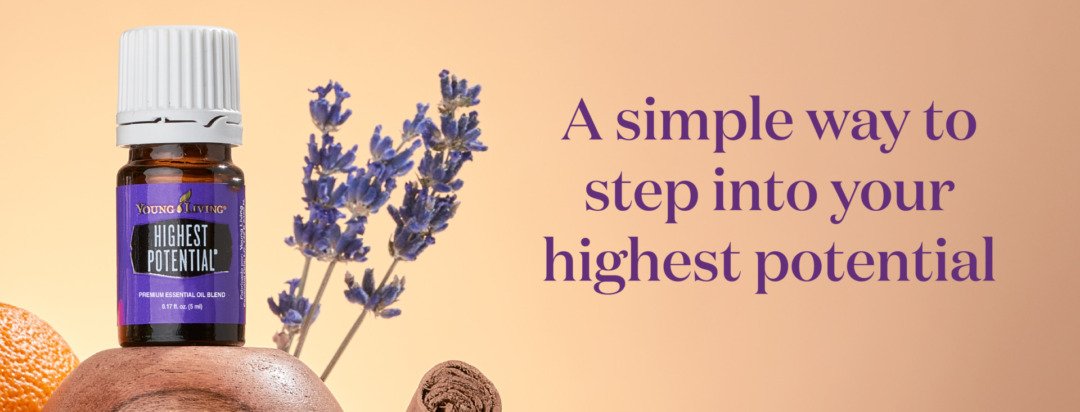
Recomendamos combinar su intención con Mezcla de aceites esenciales Highest Potential™, que está formulado para usarse mientras trabaja para liberar las barreras emocionales que le impiden alcanzar objetivos más altos. Disfrute de su aroma dulce y estimulante como un recordatorio constante de la intención que estableció y la dirección que eligió tomar.

Aquí tienes una forma sencilla de utilizar la mezcla de mayor potencia como parte de tu rutina diaria:

¡Aumenta la circulación para mantenerte caliente!

A medida que las temperaturas bajan este invierno, puedes calentarte de adentro hacia afuera mejorando tu circulación.

Una circulación saludable es fundamental para distribuir el calor interno a las extremidades. Garantiza que tu cuerpo distribuya el calor de manera eficiente, manteniendo calientes las extremidades como manos y pies incluso en los días más fríos.

El cuerpo regula la temperatura contrayendo los vasos sanguíneos en el frío para conservar el calor y dilatándolos en el calor para liberar calor. lo que garantiza una temperatura interna estable.

A medida que bajan las temperaturas, los vasos sanguíneos se contraen para conservar el calor. Esto puede ralentizar la circulación en las extremidades, como los dedos de las manos y los pies, las orejas y la nariz, que suelen ser las primeras partes del cuerpo en reaccionar al frío.

Para mejorar la capacidad de su cuerpo para mantenerse caliente, considere la posibilidad de utilizar aceites esenciales para estimular la circulación.

Cómo la circulación saludable aumenta el calor

La circulación sanguínea juega un papel crucial en la regulación de la temperatura corporal. Los vasos sanguíneos actúan como autopistas para la distribución del calor.

Cuando tu circulación es fuerte:

  • El calor llega a cada parte de tu cuerpo. La sangre transporta calor desde el centro hasta las extremidades, como la nariz, las orejas, los dedos de las manos y de los pies.
  • Los tejidos permanecen saturados de oxígeno. La sangre rica en oxígeno mantiene los tejidos, los músculos y la piel funcionando de manera óptima, lo que ayuda al cuerpo a generar calor de manera eficiente.
  • Sientes menos frío. Una buena circulación minimiza la diferencia de temperatura entre el core y las extremidades, reduciendo esa sensación de hielo en manos y pies.

La mala circulación, por otro lado, puede hacer que ciertas partes del cuerpo se sientan frías, incluso en climas templados. Si normalmente tienes que usar calcetines para dormir, mantener una circulación saludable puede ayudarte a mantenerte abrigado este invierno y durante todo el año.

Cómo los aceites esenciales apoyan la circulación y el calor

El invierno no tiene por qué hacerte temblar.

Los aceites esenciales son una forma natural y eficaz de mejorar la circulación, ayudándote a mantenerte cómodamente abrigado este invierno.

Los aceites esenciales te ayudan a mantener la circulación al:

  • Estimular el flujo sanguíneo: Los aceites esenciales aumentan el flujo sanguíneo principalmente al promover la vasodilatación (el ensanchamiento de los vasos sanguíneos), lo que reduce la tensión en las paredes de los vasos y mejora la circulación. Esto ayuda a que circule más sangre a través de ellos, mejorando así la circulación. Los aceites esenciales también pueden ayudar a contraer las venas, estimulando el flujo sanguíneo. Los aceites esenciales también pueden ayudar a reducir los triglicéridos, que pueden acumularse y restringir el flujo sanguíneo.
  • Reduce la inflamación en los vasos sanguíneos: La investigación ha encontrado que «los aceites esenciales extraídos de hierbas pueden reducir la inflamación al regular la liberación de citoquinas inflamatorias involucradas en múltiples vías de señalización» para ayudar a reducir la hinchazón y la inflamación en los vasos sanguíneos, mejorando así el flujo sanguíneo.
  • Efectos antioxidantes: Compuestos en aceites esenciales, como los de La albahaca y el tomillo protegen los vasos sanguíneos reduciendo los niveles de malondialdehído y combatir el estrés oxidativo que conduce al daño de los vasos.
  • Mejora de la circulación (vasodilatación): Los compuestos de los aceites esenciales, como el mentol de la menta, dilatan los vasos sanguíneos, aumentan el flujo de sangre oxigenada por todo el cuerpo y crean un efecto de calentamiento que promueve un mejor flujo sanguíneo, reduce la acumulación de sangre y alivia el dolor y la hinchazón.
  • Propiedades de calentamiento: Se sabe que aceites como el jengibre y el romero aumentan el flujo sanguíneo a la piel y los tejidos subyacentes.
  • Drenaje linfático: Los aceites esenciales como el ciprés son eficaces para reducir la congestión venosa y promover una mejor circulación linfática y sanguínea.
LEA ESTO A CONTINUACIÓN: Aceites esenciales para la circulación

Aceites esenciales para la circulación.

Los aceites esenciales son de naturaleza cálida, lo que les ayuda a mejorar el flujo sanguíneo y la circulación al relajar y mantener la salud de los vasos sanguíneos. Los compuestos naturales, como los aceites esenciales, poseen constituyentes químicos únicos que les confieren propiedades terapéuticas.

Se ha demostrado que los compuestos vegetales, incluida la esencia vegetal altamente concentrada que se encuentra en los aceites esenciales, ayudan a contraer las venas, estimulando el flujo sanguíneo y mejorando la «microcirculación», que es el flujo de sangre a través de los vasos más pequeños del cuerpo. También pueden ayudar a relajar los músculos lisos que recubren los vasos sanguíneos, mejorando así la circulación y aumentando el calor.

Los sesquiterpenos son una subclase de la gran familia química de los terpenos que abunda en aceites esenciales derivados de plantas como pimienta, incienso, jengibre, mirra, pachulí, sándalo, nardo y vetiver. Se ha demostrado que los aceites esenciales con alto contenido de sesquiterpenos mejoran el flujo sanguíneo. Los sesquiterpenos son cadenas de carbono que no contienen moléculas de oxígeno pero parecen absorber oxígeno. Esta puede ser una de las razones por las que los aceites esenciales con alto contenido de sesquiterpenos aumentan los niveles de oxígeno en el cuerpo y las extremidades cuando se inhalan o se aplican tópicamente.

El papel del sistema nervioso en el calor.

Cuando baja la temperatura exterior, su sistema nervioso detecta el cambio a través de receptores sensoriales en su piel. Luego envía señales a los vasos sanguíneos cercanos a la piel, comenzando vasoconstricción– estrechamiento de los vasos sanguíneos. Esto reduce el flujo sanguíneo a la piel, minimiza la pérdida de calor y conserva el calor para los órganos internos críticos.

Al mismo tiempo, su sistema nervioso indica a sus músculos que tiemblen, una contracción involuntaria que genera calor. Este mecanismo, combinado con la vasoconstricción, ayuda a mantener la temperatura central. Cuando te mudas a un ambiente más cálido, tu sistema nervioso siente el aumento de temperatura. Artículo motivado vasodilataciónque dilata los vasos sanguíneos y permite la liberación del exceso de calor a través de la piel.

Parasimpático®

Activar el sistema nervioso parasimpático ayuda a inducir la vasodilatación. La aplicación tópica de la mezcla parasimpática de aceites esenciales de clavo y lima detrás del lóbulo de la oreja y en el hueso mastoideo ayuda a activar el sistema nervioso parasimpático.

Es más, el eugenol, un compuesto bioactivo que se encuentra en el aceite de clavo, ha demostrado efectos significativos sobre los cardiomiocitos, las células musculares especializadas del corazón responsables de contraerse y permitir que el corazón bombee sangre por todo el cuerpo. Los estudios muestran que el eugenol ejerce efectos protectores sobre estas células al reducir el estrés oxidativo y la inflamación que son perjudiciales para la salud y el funcionamiento de los cardiomiocitos. Además, un estudio sobre «Efectos cardiovasculares del eugenol, un compuesto fenólico presente en muchos aceites esenciales de plantas» sugiere que el eugenol estabiliza las membranas celulares y mejora la función de los canales iónicos que son fundamentales para mantener el ritmo y la función cardíaca adecuados. Al mitigar estos factores estresantes y estabilizar los mecanismos celulares, el eugenol ayuda a preservar la integridad y función de los cardiomiocitos, contribuyendo así a la salud general del corazón y reduciendo el riesgo de enfermedades cardiovasculares.

Circulación™

Circulación™ Está formulado para apoyar una circulación saludable al entregar sangre rica en oxígeno y nutrientes al cuerpo y al cerebro mientras transporta toxinas y desechos a los riñones y el hígado para su eliminación. El Circulación™ la mezcla contiene una fórmula patentada de aceites esenciales orgánicos y/o silvestres que actúan sinérgicamente para favorecer la circulación y el flujo sanguíneo saludables al cuerpo y al cerebro. Por ejemplo:

Pimienta negra (Piper nigrum) Ayuda a calentar el cuerpo y estimula la circulación, aumentando el flujo sanguíneo al sistema digestivo. Esto ayuda a aumentar tanto la absorción de nutrientes que a menudo se agrega a los suplementos para mejorar su efectividad.

Se ha descubierto que la pimienta negra y su compuesto activo, la piperina, estimulan el flujo sanguíneo al dilatar los vasos sanguíneos y mejorar la circulación general. Un flujo sanguíneo mejorado suministra oxígeno y nutrientes a los tejidos de manera más eficiente, reduciendo así la inflamación y promoviendo la curación. La piperina también tiene propiedades antiinflamatorias y antioxidantes para proteger los vasos sanguíneos del estrés oxidativo y la inflamación. La pimienta negra también contiene altos niveles de limoneno, un terpeno que se cree que estimula la circulación y aumenta el calor.

Ciprés El aceite esencial puede ayudar a mejorar la circulación y relajar los vasos sanguíneos, facilitando la estimulación del flujo sanguíneo. El aceite esencial de ciprés también tiene un alto contenido del compuesto α-pineno y se ha demostrado en investigaciones que exhibe actividad antiinflamatoria que ayuda con el flujo sanguíneo. Finalmente, el aceite esencial de ciprés tiene un efecto diurético y desintoxicante, ayudando a eliminar las toxinas del cuerpo y promoviendo un mejor flujo sanguíneo y circulación.

La raíz de jengibre (Zingiber officinale) ayuda a calentar la piel y los vasos sanguíneos cuando se aplica tópicamentepromoviendo la circulación. También ayuda a eliminar toxinas y reduce la inflamación de los vasos sanguíneos, mejorando el flujo sanguíneo en el cuerpo. El jengibre también puede ayudar a calmar la inflamación que interfiere con la circulación saludable. Los efectos beneficiosos de los polifenoles del jengibre se han informado ampliamente en estudios como «Evaluación de los efectos del extracto de jengibre en los perfiles de polifenoles». Los efectos antiinflamatorios del jengibre a menudo se atribuyen a metabolitos secundarios, como los aceites esenciales y el jengibre.

Menta™ (Mentha piperita) Es un aceite esencial estimulante que puede actuar como vasodilatador. Simplemente significa que puede ayudar a dilatar los vasos sanguíneos para mejorar el flujo sanguíneo, estimular la mente, aliviar el dolor y aumentar la energía. Una de las causas de la mala circulación son los vasos sanguíneos estrechos o constreñidos. Cuando los vasos son demasiado estrechos, hay menos espacio para que la sangre fluya fácilmente. El aceite esencial Peppermint™ puede ayudar a ampliar el espacio en los vasos sanguíneos. Ampliar o dilatar los vasos sanguíneos permite que fluya más sangre a través de ellos.

Nuez moscada (Myristica fragrans) Ayuda a mejorar la circulación sanguínea y apoya la salud de los sistemas cardiovascular y respiratorio. El aceite esencial de nuez moscada actúa como estimulante, aumenta la circulación sanguínea y relaja los vasos sanguíneos. Esto puede ayudar a diluir la sangre y reducir la presión sobre las arterias y las venas.

El aceite esencial de nuez moscada es rico en compuestos antiinflamatorios, como eugenol, sabineno y α-pineno, que pueden ayudar a aliviar el dolor y la hinchazón.

Aplicar 2-3 gotas de Circulación™ en el costado o la parte posterior del cuello, encima de la clavícula izquierda, en las muñecas o los tobillos para apoyar la energía, la resistencia cerebral y el calor en las extremidades distales, como los dedos de las manos y los pies.

También puedes añadir 2-3 gotas de Circulación™ a un baño tibio con sal de Epsom para ayudar a relajar los músculos y promover un mejor flujo sanguíneo.

LEA ESTO A CONTINUACIÓN: Cómo utilizar aceites esenciales en baños curativos

Aceites destacados:

¿Listo para empezar? Haga clic en los enlaces a continuación para realizar su pedido hoy:

referencias:


The Somatic Impact of Smell

Smell is the most powerful—and most underutilized—of our five senses.

Your olfactory pathway has direct access into the brain AND the body!

You heard me correctly. Olfactory receptors have been located throughout the body—in organs such as the liver, skin, heart, lungs, kidneys, and intestines—where they act as chemical sensors for non-olfactory functions, including cell recognition, migration, metabolism, and wound healing.

Research demonstrates that your sense of smell can impact various physiological processes, including your ability to heal from and release trauma from the body.

More specifically, you can use your sense of smell to help interpret the mental, physical, and emotional world around you, creating a sense of safety.

Tuning into sensations in the body—including the sensation of smell—can help draw awareness to your body and calm your nervous system, which may allow you to release stored trauma that may be keeping your nervous system stuck in a survival state, making it difficult to relax, feel safe, or heal.

Research on Human Olfactory Receptors: Novel Cellular Functions Outside of the Nose found that “olfactory receptors (ORs) aren’t just for smell in the nose; they act as chemical sensors throughout the body in tissues—like the lungs, gut, skin, brain, liver, heart, intestines and kidneys—regulating cell functions (proliferation, migration, immunity) and playing roles in disease (cancer, skin issues, infections). Research shows they can detect specific chemicals, guide sperm, influence heart function, promote skin healing, revealing a broader chemical sensing role beyond olfaction.”

Your sense of smell plays such a key role in nervous system regulation and brain health that research on Dysregulation of Brain Olfactory and Taste Receptors is warranted. This research found olfactory receptor dysregulation preceded cognitive decline and other neurodegenerative diseases.”

How Trauma Gets Stuck in the Body

Trauma isn’t just a mental story in your head; it’s a physical experience that gets “stuck” in your body as physical tension, fight/flight/freeze energy, or shutdown that needs physical release to truly heal.

When you experience trauma, chronic stress, or heightened emotional triggers, your nervous system reacts instinctively to keep you safe. This is the fight, flight, or freeze response, designed to protect you in moments of danger. Ideally, your body returns to a balanced state when the threat passes. But if the trauma is overwhelming or unresolved, the nervous system can get stuck on high alert, leading to lasting physical and emotional effects.

Common physical symptoms of stored trauma include:

  • Emotional numbness or disconnection (feeling detached from yourself or others)
  • Muscle tension or chronic pain (especially in the neck, shoulders, and jaw)
  • Digestive issues (such as nausea, bloating, or IBS)
  • Difficulty sleeping (trouble falling asleep, nightmares, or frequent waking)
  • Anxiety or hypervigilance (feeling on edge or easily startled)

What is Somatic Healing?

When healing from trauma, it can be challenging to feel like your body is supporting you. This is where somatic healing comes into play, helping you feel safe and supported.

Your somatic nervous system is a subdivision of your peripheral nervous system that delivers information from four of your senses—smell, sound, taste, and touch—into your brain and allows you to move and control muscles throughout your body.

Somatic practices can help you address the deep physical imprint of trauma and release this stored physiological energy. Somatic practices allow you to reconnect with your body by using physical sensations, such as smell, to send safety signals, helping to regulate an overwhelmed nervous system and process and release stored stress and trauma. Somatic practices may help you listen to your body’s sensations (such as tension and tightness) to discharge trauma energy gently, fostering a stronger connection and an internal sense of calm.

Key Principles of Somatic Healing include:

  • Regulating the Nervous System: Trauma overwhelms the nervous system; somatic work helps guide it back to balance by teaching you to discharge excess activation and build capacity for stress.
  • Increasing Body Awareness & Regulation: The ability to tune into physical sensations without judgment may help you stay present and calm, even when difficult memories arise and reconnect with parts of the body that may have been numbed or ignored due to trauma.
  • Promoting Feelings of Safety: By tuning into the body and finding resources within, you build a profound sense of internal and external safety and resilience, making you less reactive to triggers. Similarly, by gently approaching traumatic feelings in small, manageable doses and moving between moments of discomfort or tension and feelings of safety, you can help release stored stress without overwhelming the nervous system.
  • Discharge and Completion: The body often holds onto trauma when it doesn’t get to complete its natural stress response. Practices like shaking, crying, or deep breathing help the body release tension and restore balance.

How Smell Can Support Somatic Healing?

Trauma can be stored in the body as implicit memories. These are not consciously recalled like regular memories but can be triggered by physical sensations or smells.

Smell supports somatic healing by directly linking to both the brain’s limbic system, which controls emotions and memory, and regions of the body, including the skin, the gut, and the heart, that help with somatic emotional release.

Familiar smells like Lavender can provide a safe sensory anchor, especially if you are processing intense emotional memories or experiences. Smell can help bridge the gap between stimulus and response, offering a gentle way to manage overwhelming feelings and enhance emotional regulation. 

All but one of your senses travel through your somatic nervous system to reach your brain (sight is the exception because your retina and optic nerve connect directly to your brain). The other senses on your head—sound, smell, taste, and touch—all use your somatic nervous system to reach your brain. This direct access allows you to use your sense of smell to support somatic healing.

Smell and specific scents can be used as anchors to help you feel safe and grounded and to stabilize you when you are dysregulated.

Smells can also be carefully titrated, meaning exposure to a particular scent can be controlled to allow for the slow, gradual exploration of traumatic experiences in manageable fragments, to avoid re-traumatization. Smell will enable you to perceive sensations in your body, which helps you move towards completing protective responses that were previously unable to be carried out.

Scent can also support the parasympathetic nervous system and, with it, the gentle pendulation between states of tension and relaxation in the body, which may help you develop a greater capacity to self-regulate your emotional and physiological responses. This builds vagal tone—or the ability of the nervous system to move back and forth between alertness and action, and calm and rest without getting stuck at either extreme.

Essential Oils to Support Somatic Healing

Essential oils can support somatic healing by gently engaging the sense of smell to help regulate the nervous system, increase body awareness, and support emotional processing.

Bringing attention to your sense of smell can be a subtle yet effective way to help you feel more grounded and safe in the present moment. More specifically, topically inhaled essential oils work with the brain’s emotion and memory centers to promote a sense of grounding, safety, and a deeper mind-body connection. Research on “Smell, Odor, and Somatic Work: Sense-Making and Sensory Management” found that smells convey meaning and can support somatic structural perception.

Additional research on “Observing Somatic Experience and Olfactory Memory” explores the potential therapeutic implications of incorporating olfactory stimuli into trauma therapy sessions.” Olfactory memory plays a critical role in trauma, as smells can trigger traumatic memories. Similarly, olfactory stimuli—like essential oils—are closely linked to emotional processing.

It is worth noting that the anatomy of your olfactory system involves activation of the same brain structures that support emotion processing (limbic system and medial temporal lobe circuits) and declarative memory, as noted in research on “Aromatherapy through the lens of trauma-informed care”. “When essential oils are inhaled, they impact the limbic system and, subsequently, the nervous system. Using a trauma-informed approach, aromatherapy is paired with polyvagal theory and somatic experiencing.”

Smell can be used to connect with physical sensations, emotions, and memories for grounding, stress relief, and self-awareness, leveraging how scents powerfully influence our nervous system and help support emotional regulation.

Specific scents can be used for emotional anchoring, helping to create a physical anchor for emotional regulation. 

Fascia Release™

Stress and trauma are often stored in the body—especially in the fascia, the connective tissue that surrounds every cell in your body. Your emotions—or energy in motion—travel through your fascia for release. When your fascia is tight and constricted, emotions do not flow freely or get released; instead, they become trapped in your tissue. This can leave you feeling tense, disconnected, or overwhelmed.

Fascia Release™ supports you in shifting from mental overwhelm to present-moment awareness by helping you reconnect with your “felt sense”—the subtle sensations in your body.

When you learn to be present and signal safety from the level of the body and the cells, your body feels safe to discharge energy and emotions, helping to rebalance the nervous system and move beyond trauma.

Essential oils offer a safe and simple way to release tension that may be keeping you stuck and negative emotions from the tissue, creating an easy flow for healthy fascia. According to research on Aromatherapy through the lens of trauma-informed care, “essential oils are not just about their aromas but about the experience they facilitate—an experience of greater embodiment, awareness, and connection with oneself.”

Fascia Release™ essential oil blend is uniquely formulated to release the trapped energy and emotional and physical tension stored in the fascia. Fascia Release helps you feel bodily sensations so you can feel safe occupying your body.

Fascia lies just below the skin, so topically applying essential oils to the skin provides easy, immediate access to the fascia. The skin is your largest organ and is relatively permeable to fat-soluble substances, such as essential oils. Fascia Release™ blend may help unravel deeply held tensions, constrictions, and energetic blockages in your tissues, enhancing body awareness and grounding, reducing pain, improving blood and lymphatic circulation, and releasing fear, repressed emotions, and tension held in the body (organs, muscles, tendons, bones, and joints) or the mind.

Application Tip: I have been applying Fascia Release™ to my fingertips and tapping on key reflex points to actively engage my safety response. The video and graphics in this post show how to tap in more detail.

READ THIS NEXT: Release Trauma from Your Cells

Parasympathetic®

Your autonomic nervous system is responsible for receiving information, processing it, and triggering the necessary responses, including coordinating and regulating the functions of all other bodily systems. Unfortunately, when the nervous system undergoes trauma, its delicate balance can be disrupted, triggering survival responses, such as a state of heightened sympathetic “fight” or “flight” response or a dorsal vagal “freeze” response, to help navigate threats. 

While these nervous system states can support survival, they can often lead to a disconnection from your body. When this happens, it’s hard to feel calm, safe, or fully present in your body.

Somatic therapy focuses on subtle shifts and gradual adjustments to increase your nervous system’s capacity to experience a fuller range of sensations, thereby reducing the impact of trauma on your body and how you are showing up in life. This approach aligns with the natural rhythms of your nervous system, allowing it to comfortably adapt to and integrate new experiences, rather than being overwhelmed or rushed.

Parasympathetic® blend can be a simple but powerful tool to help shift your system back into balance. When topically applied to the vagus nerve (behind the earlobe on the mastoid bone), it helps activate the parasympathetic branch of your nervous system. In this state, healing, digestion, and emotional regulation naturally occur.

By supporting this “rest, digest, and heal” state, the Parasympathetic® blend can help reset the nervous system and prevent it from continually feeling unsettled when distressing memories are triggered. It’s one of the most effective and accessible ways to help your body return to a place of safety, ease, and resilience.

Essential oils are natural, non-invasive, and easy to use! Oils possess both olfactory (smell) and transdermal (topical application) properties, making them easy to inhale and apply to the skin to stimulate the vagus nerve and activate the parasympathetic nervous system.

READ THIS NEXT: Releasing Trauma with Parasympathetic

Limbic Reset™

Your limbic system helps regulate your emotions and respond to physical, mental, and emotional threats, working in conjunction with your parasympathetic nervous system.

In fact, your limbic system is often referred to as the “emotional nervous system” as it helps you interpret sensory information and determine whether external stimuli are threatening or benign. If a threat is perceived, your limbic system will then prompt your nervous system to activate the “fight or flight” sympathetic nervous system response. This threat response can become maladaptive and overly reactive, leading to poor emotional regulation and heightened emotional reactivity. 

The strong connection between your sense of smell and your limbic system makes essential oils an ideal tool to reset the volume of threat perception, help calm the over-firing of your limbic system, and reconnect you to a feeling of safety as you process trauma.

Scent has direct access to the emotional center of your brain, which controls your hormones and influences your emotions and mood, known as the limbic system. On a physical level, your olfactory bulb is physically located near your limbic system, with only two synapses separating your amygdala from your olfactory nerve. No other sensory system has this direct and intense contact with the neural substrates of your brain’s emotional control center. Your other four senses, including sound, sight, taste, and touch, must travel to different regions of the brain first, before reaching your limbic system.

This makes essential oils a potent tool for calming the intensity of the emotions, allowing you to chunk the release so that it feels more manageable. In essence, restoring proper function to the limbic system can help TURN OFF the alarm in your limbic system—in effect rebalancing inhibition and activation—and TURN ON your body’s self-healing mechanisms by regulating your “fight or flight” response, and rewiring your response to emotional triggers.

Inhaling essential oils is the fastest and most efficient way to reset the volume of threat perception and help calm the over-firing of your limbic system. This is because smell can access the limbic system of the brain to lower limbic system activation, which then enables your body to enter the parasympathetic “rest, digest, and repair” state.

Limbic Reset™ contains a proprietary blend of essential oils designed to calm threat arousal and send safety cues, helping reset your limbic system and support healthy emotional regulation. Limbic Reset™ was specifically formulated with essential oils such as Frankincense and Sandalwood, which contain the chemical constituent Sesquiterpenes, thought to increase oxygen in the limbic system, thereby “unlocking” DNA and allowing emotional baggage to be released from cellular memory. The citrus oils in Limbic Reset™ help lift your mood and clear your energy so that you do not take on or carry negative emotions or a pessimistic mindset toward others. For example, Melissa is known as an antidepressant that possesses uplifting and emotionally balancing compounds.

Limbic Reset™ also contains Helichrysum oils, which are touted for their benefits to brain function and are known to cross the blood-brain barrier, carrying oxygen to the limbic system to help rewire neural circuits and calm an overactive stress response.

Featured Oils:

Ready to get started? Click the links below to order today:


References:


Fortalece tu sistema inmunológico manteniendo tu bazo

Un bazo sano es fundamental para combatir infecciones y regular las respuestas inmunitarias. Funciona como un centro de vigilancia al iniciar respuestas inmunes a amenazas en el torrente sanguíneo.

Específicamente, su bazo respalda su salud inmunológica al actuar como un filtro sanguíneo, eliminar patógenos y células viejas, y almacenar y desplegar glóbulos blancos especializados que crean anticuerpos para atacar a invasores como bacterias y virus y crear resistencia contra infecciones, moho y parásitos.

Los aceites esenciales pueden ayudar a tonificar y fortalecer el bazo, promoviendo un sistema inmunológico saludable. Los aceites esenciales aplicados tópicamente pueden ayudar a estimular el flujo linfático, eliminar la congestión y ayudar al bazo a filtrar los desechos celulares y las células sanguíneas dañadas, al tiempo que promueven la producción de glóbulos blancos.

Los aceites esenciales sirven como medicina complementaria, principalmente por sus propiedades antiinflamatorias, estimulantes de la circulación y diuréticas, y pueden potenciar la eficacia de técnicas como el masaje de drenaje linfático.

¿Qué hace tu bazo?

Su bazo es un órgano vital extremadamente subestimado (a menudo incomprendido) que forma parte de su sistema linfático.

Al igual que el hígado, el bazo es uno de los «filtros» del cuerpo. Es el órgano más grande del sistema linfático y ayuda a regular el flujo de linfa y sangre, limpiando la sangre de desechos celulares y tejido dañado. células sanguíneas y plaquetas.

El bazo, ubicado en la parte superior izquierda del abdomen detrás de las costillas, es un órgano crucial para la tolerancia inmune periférica: es el único órgano del cuerpo capaz de generar una respuesta inmune adecuada a muchos tipos de bacterias, incluidas la meningitis bacteriana y la neumonía.

La sangre literalmente se ralentiza a medida que pasa por el bazo, lo que le da tiempo al sistema inmunológico para reconocer y producir glóbulos blancos y anticuerpos que le ayudan a combatir las infecciones. A medida que la sangre se filtra a través del bazo, se limpia y los microbios dañinos se tragan y eliminan. Sin el bazo funcionando correctamente, no se pueden mantener los glóbulos rojos y blancos que se necesitan para obtener energía, calor y vitalidad constantes, lo que proporciona energía física para la función inmunológica.

Y el bazo es donde se inducen las células grasas – Explorar

Como órgano inmunológico especializado, el bazo desempeña un papel importante en la inmunidad innata y adaptativa (o “aprendida”): los mecanismos que identifican y atacan antígenos específicos. Es el hogar de las células inmunitarias innatas especializadas, como las células B, las células asesinas naturales (NK) y los macrófagos, todas las cuales residen en el bazo. El bazo también participa en la maduración de los mielocitos (células de la médula ósea). Las células mieloides son un grupo diverso de leucocitos innatos que son fundamentales para generar respuestas inmunitarias eficaces contra los virus.

Cómo la salud del bazo aumenta la inmunidad

Un bazo sano aumenta la inmunidad al filtrar patógenos y células sanguíneas viejas del torrente sanguíneo, almacenar y desplegar glóbulos blancos que combaten infecciones (como linfocitos y monocitos) e iniciar respuestas inmunes al producir anticuerpos, actuando como un órgano crítico para monitorear amenazas transmitidas por la sangre, como bacterias y virus, y ayudando a coordinar las defensas del cuerpo contra los invasores. Específicamente, su bazo:

  • Filtros de sangre: El bazo monitorea y filtra constantemente la sangre, identificando y eliminando glóbulos rojos viejos o dañados, desechos celulares y microorganismos dañinos (gérmenes, bacterias, virus) para evitar que circulen y contribuyan a la infección.
  • Reciclaje celular: Además de filtrarse, el bazo descompone los desechos celulares, una parte clave para mantener la salud inmunológica general.
  • Reservorio de glóbulos blancos: El bazo almacena una gran cantidad de linfocitos y macrófagos (tipos de glóbulos blancos que apoyan la función inmune) y los libera rápidamente al torrente sanguíneo cuando se detecta una infección, creando un «ejército» para luchar contra los invasores.
  • Producción de anticuerpos: Los linfocitos del bazo producen anticuerpos, proteínas importantes que atacan y neutralizan bacterias, virus y toxinas, deteniendo la propagación de la infección.
  • Implementación rápida: Cuando se detecta una infección, estas células almacenadas se liberan a la sangre para combatir la enfermedad.

Síntomas de mala salud del bazo.

Fatiga: Cuando el bazo no funciona bien, es posible que no filtre la sangre ni recicle los glóbulos rojos de manera eficiente. Si no puede mantener los glóbulos rojos y blancos que necesita para tener energía constante, puede experimentar poca energía o una sensación de que está «agotado» todo el tiempo. La anemia (o niveles bajos de glóbulos rojos) también puede contribuir a la fatiga.

Infecciones comunes: El bazo ayuda al cuerpo a almacenar y activar células inmunitarias que combaten las bacterias y otros patógenos. Cuando el bazo no filtra la sangre adecuadamente, es posible que notes que te enfermas con más frecuencia o que tardas más en recuperarte de infecciones menores.

Dolor/malestar: En la parte superior izquierda del abdomen, detrás de las costillas, a veces se irradia hasta el hombro izquierdo.

Plenitud Temprana: Sensación de saciedad después de comer sólo una pequeña cantidad porque el bazo presiona el estómago.

Hinchazón y gases: A veces, las molestias digestivas, como hinchazón, gases o sensación de pesadez después de comer, pueden ocurrir cuando los órganos de la parte superior del abdomen (incluidos el bazo, el estómago y las estructuras cercanas) no están satisfechos.

Sangrado/moretones fáciles: Si el bazo elimina demasiadas plaquetas.

Miembros débiles: Puede producirse una sensación general de debilidad en los brazos o las piernas cuando el cuerpo no mueve sangre, nutrientes u oxígeno de manera eficiente. Algunos marcos tradicionales asocian el «qi del bazo» con la fuerza de las extremidades.

dolor de cabeza persistente: Los dolores de cabeza prolongados o recurrentes pueden estar relacionados con la circulación y la calidad de la sangre, que el bazo ayuda a abordar.

Mareo: Los mareos, el aturdimiento o la sensación de que se va a desmayar pueden ocurrir cuando el cerebro no recibe suficiente sangre rica en oxígeno o cuando la presión arterial o los recuentos sanguíneos son bajos. Debido a que el bazo ayuda a regular la producción de células sanguíneas, ciertas afecciones relacionadas con el bazo pueden contribuir a los mareos.

ojos cansados: El bazo ayuda a mover los líquidos por el cuerpo. Si no funciona bien, se retiene líquido corporal y puede crear hinchazón, incluida hinchazón de los ojos u círculos oscuros debajo de los ojos.

Dolor en el lado superior izquierdo del abdomen. El bazo se encuentra en el lado superior izquierdo de su abdomenmetido debajo del pecho. El malestar, la presión o el dolor en esta zona, especialmente si el bazo está agrandado, a veces se pueden sentir como un dolor sordo o una plenitud debajo de las costillas izquierdas.

Sentirse lleno sin comer: Si el bazo está agrandado, puede presionar el estomagoque está cerca. Esta presión puede hacer que usted se sienta lleno muy rápidamente, incluso después de haber comenzado a comer o haber comido sólo pequeñas cantidades.

Dolor o malestar en el hombro izquierdo: El dolor referido desde el bazo se puede sentir como dolor en la parte superior del hombro izquierdo.

Obtenga más información sobre la salud del bazo

Aceites esenciales para el bazo.

Su bazo responde bien a los productos botánicos como los aceites esenciales. Los aceites esenciales pueden ayudar a tonificar y fortalecer el bazo, manteniendo la energía y la vitalidad.

El Qi del Bazo es la fuerza vital que fluye a través de los meridianos del cuerpo y sostiene la vida. Se cree que los aceites esenciales interactúan con el Qi y lo apoyan al influir en su flujo a lo largo de los meridianos. Al igual que en la acupuntura, los aceites esenciales se pueden aplicar en puntos de acupuntura específicos para estimular los meridianos y promover el flujo armonioso del Qi.

Bazo Qi™ Ayuda a mantener la vitalidad y la energía del bazo para promover células sanguíneas sanas, aportando vitalidad a su energía y aumentando el flujo de Qi en su cuerpo y cerebro.

Específicamente, Bazo Qi™ contiene aceites cítricos como Mandarinaeste Se ha demostrado que apoyan la función del bazo. Mandarina Se cree tradicionalmente que la corteza, de la que se extraen los aceites esenciales, «regula el qi», «la humedad seca» y «fortalece». «bazo». Las frutas cítricas como las mandarinas contienen compuestos vegetales conocidos como flavonoides que se ha demostrado que mejoran el flujo sanguíneo al cerebro y reducen la inflamación. El aceite esencial de mandarina contiene limoneno, que puede favorecer la salud del bazo fortaleciéndolo y también ayuda a eliminar la flema y la humedad del bazo.

De manera similar, el hinojo se usa tradicionalmente como tónico, ya que se cree que tonifica y fortalece el bazo. Se considera un depurativo (purificador de la sangre) que ayuda a eliminar toxinas, lo que indirectamente apoya la función del bazo en la filtración de la sangre y la producción de células inmunitarias. Como aceite esencial que apoya el Qi del Bazo, la semilla de hinojo ayuda a tonificar el Bazo y estimular el flujo del Qi físico. Las investigaciones muestran que el componente medicinal transanetol que se encuentra en el hinojo calma la inflamación regulando la expresión de citocinas en el tejido del bazo.

Bazo Qi™ También contiene semillas de apio, que se sabe que fortalecen la función del bazo al mejorar la fuerza de la sangre. El aceite de semilla de apio contiene ingredientes diuréticos naturales y propiedades antiinflamatorias que pueden ayudar a regular el metabolismo de los líquidos y promover un flujo de energía suave, apoyando la función saludable del bazo. El helicriso favorece la circulación sanguínea y libera la energía bloqueada, especialmente por lesiones antiguas o estancamiento del bazo. El helicriso puede aumentar la circulación, beneficiando potencialmente la función del bazo en la filtración de la sangre y la producción de glóbulos rojos.

Además, el aceite esencial de orégano es un poderoso agente antimicrobiano, antioxidante y antiinflamatorio que puede aliviar la hinchazón y el dolor asociados con el bazo. El orégano puede afectar la salud del bazo, especialmente durante reacciones inmunes e infecciones. El bazo desempeña un papel fundamental en la respuesta inmunitaria y el extracto de orégano se ha mostrado prometedor para mitigar los efectos adversos de la infección por E. coli en el bazo en modelos animales. Los cambios observados en el tejido del bazo, como una reducción del agotamiento y una pulpa blanca mejorada, indican que el extracto de orégano puede ayudar a que las células inmunitarias del bazo funcionen de manera más efectiva para combatir las infecciones.

Cómo administrar Bazo Qi™

Aplicar 2-3 gotas de Bazo Qi™ por encima del bazo (lado izquierdo del cuerpo, debajo del pecho) o por encima del sexto punto del bazo (el interior de la pierna, justo encima del punto más alto del tobillo), cuatro dedos hacia arriba, aplique una presión profunda ligeramente detrás de la tibia.

También puede aplicar Spleen Qi™ tópicamente en un poderoso punto de acupuntura del bazo: Bazo 6, ubicado dentro de la pierna, justo encima del punto más alto del tobillo (a cuatro dedos hacia arriba, aplique una presión profunda ligeramente detrás de la tibia). Puedes leer más aquí.

También puede aplicar mezclas específicas a los sistemas de órganos que están diseñados para equilibrar. Para aliviar la ansiedad o la fatiga, que a menudo es un reflejo de un desequilibrio suprarrenal subyacente, puede aplicar los aceites esenciales indicados en la zona lumbar, encima de las glándulas suprarrenales. La aplicación de aceites esenciales en los puntos de pulso como las muñecas, las sienes y la parte posterior del cuello, donde los vasos sanguíneos están más cerca de la piel, permite una absorción más rápida y ayuda a que comiencen a funcionar más rápido.

LEA ESTO A CONTINUACIÓN: El beneficio de la aplicación tópica

Aceites destacados:

¿Listo para empezar? Haga clic en los enlaces a continuación para realizar su pedido hoy:

referencias:


5 regalos navideños de bienestar que puedes hacer en menos de 10 minutos | Blog de vida joven

Hagamos que las vacaciones sean un poco más fáciles, un poco más acogedoras y mucho más divertidas. Considere manualidades rápidas que realmente querrá probar, obsequios inspirados en la salud que parezcan reflexivos y formas sencillas de darle más alegría a su temporada. Desde exfoliantes y aerosoles hasta brebajes festivos y pequeñas delicias, estas ideas tienen como objetivo mantener las cosas brillantes, equilibradas y libres de estrés.

Las vacaciones son lo suficientemente ocupadas como para agregar recetas o manualidades complicadas a su lista. Es por eso que hemos reunido cinco favoritos navideños (tres proyectos de bricolaje y dos delicias inspiradas en las fiestas) que son simples, reflexivos y divertidos de hacer. Ya sea que esté creando regalos caseros, organizando una fiesta navideña o simplemente quiera agregar más estilo a su propio espacio, estas ideas son perfectas para la temporada.

Las fiestas son más que regalos. Se trata de salud, alegría y de crear momentos de bienestar para usted y sus seres queridos. Trabajar juntos para crear un regalo especial puede ayudarle a capturar ese «recuerdo principal» de las fiestas que intentamos recrear durante toda la temporada.

Pocas cosas dicen «relajación en vacaciones» como sumergirse en una bañera caliente en una noche fría. Estas acogedoras bombas de baño de invierno son fáciles de hacer y son un regalo de inauguración perfecto.

Consejo de regalo: Coloque algunas bombas de baño en un frasco pequeño o en una bolsa de muselina para obtener una bonita media.

Atención: No está destinado a su uso durante el embarazo.

Convierta la hora de acostarse en un ritual relajante con este sencillo spray para almohadas. Este es un lindo regalo para maestros, amigos o cualquier persona a la que le vendría bien un poco más de tranquilidad.

Consejo de regalo: Agregue una cómoda máscara para dormir y átelas con una cinta para crear un conjunto festivo. La temporada navideña puede resultar abrumadora. Desarrollar pequeños rituales de bienestar, como un spray calmante para la almohada antes de acostarse, ayuda a calmar el caos.

Se trata de atención plena. El rollo navideño es el regalo perfecto y económico para amigos, vecinos o profesores. Es una manera fácil de compartir bienestar y un toque de alegría navideña.

Consejo de regalo: Cree rollos navideños, agregue una etiqueta y una cinta y tendrá el regalo navideño perfecto y económico para amigos, vecinos o maestros.

Atención: No está destinado a su uso en bebés. Evite la luz solar directa o los rayos UV en el área de aplicación por hasta 12 horas.

¡Disfruta de un acogedor ambiente navideño con un tarro de cacao listo para preparar! Combine ingredientes secos simples en un frasco de vidrio con instrucciones impresas y una botella de aceite Peppermint Vitality™ para obtener el regalo navideño perfecto.

Consejo de regalo: Coloque los ingredientes secos en un frasco para una presentación bonita, átelos con una cinta y adjunte la tarjeta de instrucciones. Combínalo con una botella de aceite Peppermint Vitality™ para hacerlo aún más especial.

El refrigerio se combina con el postre navideño con estos bocados energéticos sin hornear. Saben a rollo de canela navideño, pero están llenos de ingredientes mejores para usted.

Consejo de regalo: Coloque los bocados en latas pequeñas o frascos de vidrio atados con una cinta para disfrutar de un regalo saludable para las fiestas.

Atención: No está destinado a su uso durante el embarazo.

Estas cinco ideas sencillas demuestran que dar regalos y celebrar las fiestas no tiene por qué ser estresante. Con solo unos pocos ingredientes y tus aceites favoritos de Young Living, puedes crear obsequios y delicias acogedores, inspirados en el bienestar, que se sienten reflexivos, personales y llenos de espíritu navideño.

Las fiestas deberían ser algo más que ajetreo y bullicio: son una oportunidad para celebrar la salud, la alegría y los pequeños momentos que más importan.

Essential Oils for Chronic Pain

Essential oils may help ease chronic pain by addressing it at the root.

Chronic pain is defined as pain lasting more than 12 weeks (roughly three months). Chronic pain is different than acute (short-term) pain because it typically arises from an initial injury or illness but then doesn’t subside, rather causing ongoing symptoms for many months or years.

Chronic pain can include:

•        Muscular pains

•        Back pain

•        Neck pain

•        Joint pain and arthritis

•        Nerve pain, including tingling and jolting

•        Bone pain

•        Headaches/migraines

•        Uterine pain/endometriosis

•        Inflammatory bowel pains and other forms of stomach pain or digestive discomfort

Chronic Pain Symptoms

Chronic pain can present as physical and mental and emotional symptoms, including:

•       Increased risk for suicidal thoughts and attempts

•       Discomfort that is sharp or dull, constant or on-and-off or feels like burning or aching

•       Restrictions in mobility and daily activities

•       Reduced flexibility, strength and stamina

•       Increased anxiety, depression, irritability and other mood changes

•       Higher risk for dependence on alcohol, opioids and other pain-killing medications

•       Poor perceived health or reduced quality of life

•       Fatigue and sleep disturbances

•       Changes in appetite and sometimes weight loss/weight gain

•       Low libido

•       Higher risk for marital or family problems and loss of employment

How Fascia Contributes to Chronic Pain

Fascia is a thin casing of connective tissue that surrounds and holds every organ, blood vessel, bone, nerve fiber and muscle in place. The tissue does more than provide internal structure; fascia has nerves that make it almost as sensitive as skin to pain signals.

Maintaining healthy fascia is crucial for ensuring smooth and pain-free movement of your tissues and organs. 

When fascia is healthy, it’s flexible, hydrated, and allows smooth, smooth and pain-free gliding movement of your tissues and organs

Your fascia wraps around your muscles to prevent friction during movement. Likewise, your fascia coats your veins and arteries to reduce any abrasion from smooth muscles that power your circulation. And your fascia also encapsulates your fragile organs to enable fluid, non-abrasive shifts in position as you move.

Fascia is made up of multiple layers with liquid in between called hyaluronan  that help your fascia stretch with your movement. But when it’s stressed—by trauma, inflammation, surgery, repetitive movements, or even emotional tension – the hyaluronan can dry up, thicken and become tight, sticky, and rigid, especially around your muscles.  This can limit mobility and cause painful knots to develop.

Dysfunctional fascia contributes to chronic pain through:

Restricted movement: When fascia loses its flexibility, it can create “sticky” adhesions that restrict muscles and joints, leading to stiffness and reduced mobility and unnatural movement patterns. Over time, this strain can cause pain in muscles, joints, and even nerves.

Compromised Blood and Lymph Flow: Fascia congestion limits circulation and drainage. This can lead to tissue inflammation, toxin accumulation, and nutrient deprivation, perpetuating pain and preventing healing.

Stored Emotional and Physical Trauma: Fascia doesn’t just hold physical structure—it’s also a storehouse for unprocessed memories and trauma. Chronic stress and unresolved emotions can create physical tension in the fascia, which may manifest as physical symptoms like chronic pain or tension.  When you experiences emotional stress or trauma, your fascia can tighten and constrict, leading to limited range of motion, stiffness, and a feeling of being on edge.

Nerve compression: Fascia contains sensory nerves, and when it becomes constricted, the restrictions and adhesions can directly press on these nerves, contributing to pain and sensitivity.  According to “An Emerging Perspective on the Role of Fascia in Complex Regional Pain Syndrome” fascia “is richly innervated and contains numerous mechanoreceptors and free nerve endings, making it a significant player in proprioception and pain sensation.”

Trigger points: Healthy fascia allows muscles to glide smoothly, but when it becomes tight, it can develop hypersensitive knots called trigger points. These points can cause significant pain and trigger referred pain in other areas of the body.

Structural and functional issues: Fascia provides structural support, but when it becomes dysfunctional, it can cause a cascade of problems, creating a supportive framework that perpetuates poor posture and movement patterns.

Inflammation and fluid transport: Fascial restrictions can impede the flow of lymph and blood, contributing to inflammation and a buildup of waste products, which can further increase pain sensitivity. 

Essential Oils for Chronic Pain

Certain essential oils can help manage inflammation and pain by delivering active compounds that calm immune responses, reduce swelling, and block pain signals.

Essential oils are derived from plants and contain powerful compounds that can help alleviate pain and promote relaxation.  For example, research on “Essential Oils and Neuropathic Pain” found that “essential oil active components have direct anti-neuropathic activity and modulate pain signaling.”

More specifically, essential oils contain natural anti-inflammatory compounds that can reduce pain by inhibiting pro-inflammatory mediators and cytokines in the body, which reduces swelling and pressure on nerves.

Essential oils also work as analgesics, which means they relieve pain, relax muscles, reduce inflammation, and calm your nerves when topically applied. For example, Menthol in peppermint essential oi creates a cooling sensation, while compounds in wintergreen act like aspirin to dull pain.  Research on “Analgesic Potential of Essential Oils” highlights that monoterpenes present in certain essential oils – such as menthol, linalool, limonene, myrcene and 1,8-cineole include analgesic-like activity.”

The chemical composition of essential oils – super small and fat-soluble—allows them to bind to and inhibit prostaglandin synthesis (the process that creates/signals pain and inflammation). This is the same channel by which nonsteroidal anti-inflammatory drugs (NSAIDs) work. This might be one reason that essential oils consistently test as effective as over-the-counter pain medications, and pharmacological and clinical studies have demonstrated the profile of essential oil compounds as drug candidates.

Topically applied essential oils can easily penetrate layers of the skin, helping to release restricted fascia, creating warmth to break up congestion, increasing circulation, lymphatic drainage, and mobilizing adhered or painful tissue.  Essential oils can also help to vasodilate your blood and lymphatic vessels, which may help improve the flow of fluid that can contribute to swelling and inflammation. Essential oils may also help release facial adhesions, improve circulation, stimulate healthy lymphatic flow, and support the regulation of your nervous system.

Essential oils soften the myofascial tissue, allowing the deep and constrained tissue to stretch and move as it is designed to function. They also have an analgesic effect, relaxing the muscles and reducing pain. Essential oils can be used to revitalize and de-stress the fascia and muscles, working quickly to break down inflamed, fibrous tissue and remove toxins from the painful area.

As you may know, your experience of pain can be triggered by pain receptors—a group of sensory neurons with specialized nerve endings in your skin, deep tissues, like muscles and joints, and most of your organs—which send a message via nerve fibers to your spinal cord and brain stem and then onto your brain where the sensation of pain is registered and pain is perceived. The chemical constituents of essential oils can help modulate your perception and experience of pain.

In addition, smelling essential oils—through your olfactory channel—can also help modulate the perception of pain.  Research on “The Effectiveness of Aromatherapy in Reducing Pain” suggest that “olfactory stimulation related to aromatherapy can result in immediate reduction in pain, as well as changing physiological parameters such as pulse, blood pressure, skin temperature, and brain activity.”

Fascia Release for Chronic Pain

The Fascia Release™ blend helps relieve pain, improve flexibility and mobility by helping to unravel deeply held tensions, constrictions and release adhesions, fascial restriction that impede movement and energetic blockages in your tissues. . Fascia Release™ also helps to increase circulation and lymph flow which helps to move fluid out of the tissues of the organs, muscles, tendons, bones and joints  and consequently, decrease swelling and improve mobility and flexibility.

As you know, fascia lies just below the skin so topically applying essential oils onto the skin allows for easy and immediate access to the fascia.  The skin is your largest organ and is relatively permeable to fat-soluble substances like essential oils.

Topical supplements play an important role in supporting fascia health and recovery from inflammation. For example, essential oils easily penetrate layers of restricted fascia, creating warmth to break up congestion, increasing circulation, lymphatic drainage and mobilizing adhered tissue.

Essential oils soften the myofascial tissue, allowing the deep and constrained tissue to stretch and move as it is designed to function.  They also have an analgesic effect, relaxing the muscles and reducing pain.

Essential oils can be used to revitalize and de-stress the fascia and muscles, working quickly to break down inflamed, fibrous tissue, removing toxins from the painful area.

Essential oils help with collagen production by reducing free-radical damage. The antioxidant properties of essential oils may also promote collagen growth by both reducing free radicals and increasing collagen cell growth and formation.

Essential oils with detoxing properties help reduce inflammation that may weaken collagen fibers.

The essential oils in the Fascia Release™ blend is uniquely formulated to unravel deeply held tensions, constrictions and energetic blockages in your tissues to reduce pain, improve blood and lymphatic circulation and release fear, repressed emotions, and tension held in the body (organs, muscles, tendons, bones and joints) or the mind.

Penetrating essential oils, such as the combination of Angelica Root, Black Pepper, Cypress, Elemi, Frankincense, Lavender, Rose, Geranium, Vetiver, Litsea Cubeba, Rosemary and Ylang Ylang work synergistically to create warmth to break up congestion while relaxing tissues and releasing constriction and congestion and improving mobility and flexibility.

For example, Rosemary oil possesses analgesic properties and can improve circulation, by creating a warming effect which helps increase blood flow to the affected area, aiding to reduce various types of pain, particularly muscle soreness.

Similarly, Lavender oil is known for its anti-inflammatory properties. Studies show it can help reduce the perception of pain.

READ THIS NEXT: Essential Oils for Fascia Release 

Parasympathetic®

The autonomic nervous system plays a crucial role in your experience of pain. 

Your Parasympathetic nervous system dampens pain signals.  Your Sympathetic “Fight-or-Flight” branch of your nervous system – which is activated by stress, including the stress of acute pain – can conduct pain signals or heighten other nerve activity, leading to tension and increased sensitivity.  The experience of pain diminishes the activity of your parasympathetic nervous system which further amplifies and heightens the experience of pain and inflammation.

Research on “Neuroinflammation and Central Sensitization in Chronic and Widespread Pain” found that “Dysregulated sympathetic activity can also cause persistent vasoconstriction, leading to reduced blood flow, tissue hypoxia and the development of fibrosis in the fascia and surrounding tissue. These structural changes contribute to a vicious cycle of pain (activating nociceptive pathways, perpetuating pain, inflammation and fascial dysfunction).”

One of the most well-known essential oils for pain relief is clove oil, contained in the Parasympathetic® blend. Clove has been used throughout history to relieve pain. For example, the strong local anesthetic effect of clove oil has been used in dental practices for centuries to numb the gums, teeth, and nerves and relieve pain, such as toothaches.

Clove oil makes an ideal natural pain-killer due to its anti-inflammatory, antispasmodic, and analgesic properties. It can be applied topically to warm muscles and increase circulation, which helps reduce pain and ease tension in sore muscles and sprains.

What’s more, clove’s high eugenol content is thought to block nerve signals that send the message of pain from the body to the brain, thus giving the user a break from pain.  Studies suggest that eugenol may exert analgesic effects via the capsaicin receptor and high-voltage-activated calcium channel inhibition.  Parasympathetic® oil can be used to reduce the body’s inflammatory response (Read More HERE).

Similarly, the warming characteristic of clove oil is thought to provide numbing relief from pain, and the antioxidants found in this oil assist in the protection of body cells. Further, a rat study conducted by the Journal of Planta Medica discovered that a chemical compound present in clove essential oil was successful at recovering nerve functions of rats with diabetic neuropathy.

Additional Essential Oils to Support Chronic Pain

Nerve Repair™

Thirty-one pairs of nerves are rooted in the spinal cord, which can cause radiating pain downward or outward. Fortunately, the Nerve Repair™blend may help repair damaged nerves, relieve pain, stimulate circulation, ease inflammation, and regenerate new cells.

Nerve Repair™ is formulated from organic and/or wild-crafted essential oils known for relieving pain and repairing and regenerating damaged nerve cells and connective tissue. For example, basil essential oil is a known nerve tonic, characterized by its analgesic, antidepressant, antispasmodic, and balancing properties. Deemed a divine plant by Hindus in India, basil is a significant ingredient in the treatments used to combat nerve pain and nerve damage.

In a research study published in the Journal of Ethnopharmacology, Basil oil was found to be particularly helpful in reducing nerve damage symptoms and increasing nerve receptivity. Simultaneously beneficial in calming nerve pain and offering stimulation to nerves, it is regularly used to treat skin conditions, indigestion, stress levels, blood circulation issues, respiratory problems, and certain infections. It also helps repair connective tissue.

Peppermint™ essential oils are known to possess analgesic, anti-inflammatory, and anti-spasmodic properties that relieve aches, pain, and inflammation as well as calm the spasms that cause muscle cramps, making it an ideal natural treatment for nerve pain. A 2002 study attributed Peppermint™ oil’s dramatic analgesic influence to the relief of neuropathic pain in a 76-year-old woman.

Peppermint™ contains menthol, a cooling phenol that has powerful pain-blocking, anti-inflammatory, and antispasmodic properties. Menthol naturally warms the skin and muscles to improve circulation in the area of numbness or discomfort. This enhanced blood circulation stimulates the nerves and helps to heal damaged and injured nerves. Although other mints have a cooling analgesic effect, peppermint has by far the highest concentration. Peppermint™ can be purchased as both a single oil and as part of the Nerve Repair™ blend.

Renowned for its pain-relieving properties and ability to accelerate healing, Helichrysum™ helps to strengthen the nervous system, relieving nerve pain while regenerating and healing damaged nerves. Known for its antispasmodic, anti-inflammatory, and mild sedative properties, Helichrysum™ has been used historically as a treatment for muscle spasms, decreasing nerve pain, helping repair connective tissue, and reducing swelling and inflammation both inside and outside the body.

You can even apply Helichrysum™ oil directly to an injury to reduce muscle pain and prevent bruising.

The Journal of Pharmacy and Pharmacology found that the pain-relieving power of helichrysum works by reducing inflammatory enzymes and reducing swelling. As it helps rebuild cells, it may be beneficial in nerve regeneration following injury or in the treatment of peripheral neuropathy, shingles, nerve pain related to burns, and even hearing damage caused by nerves. We sell Helichrysum™ as both a single oil (my mother swears by it) and as part of our Nerve Repair™ blend. As we only work with the highest quality oil from Corsica, our single oil is very costly.

Frankincense™Known for its anti-inflammatory and sedative properties, Frankincense™ has been shown to improve accurate transmission and communication of messages between the nerves and the brain. Incorrect messages to the brain’s limbic system can result in nerve pain, so improving the accuracy of signals can eliminate pain. Frankincense also helps modulate the immune system and relax muscles.

A 2023 Evaluation of the effectiveness of topical oily solution containing frankincense extract in the treatment of knee osteoarthritis found that topically applied Frankincense essential oil  could “decrease pain severity and improve the function in patients with knee OA.”  Additional research suggests that frankincense may play a role in inhibiting specific pain pathways.

Featured Oils:

Ready to get started? Click the links below to order today:


References:



Libera tu potencial con el poder de la fe | Blog de vida joven

La creencia es el primer paso hacia el logro. Puedes hacer cosas increíbles cuando tienes la confianza para intentarlo. Descubre qué sucede cuando empiezas a creer en ti mismo y cómo construir la fe con una sencilla práctica diaria.

La mezcla del mes de diciembre y enero es la mezcla de aceites esenciales Believe™, y está aquí para ayudarte a comenzar el nuevo año con confianza. Cada mes nos enfocamos en una mentalidad diferente con una combinación de apoyo. Comenzamos con la mezcla Gratitude™, luego pasamos a la mezcla Abundance™ y ahora te invitamos a dar el siguiente paso: la fe.

Creer en uno mismo requiere trabajo, ¡pero vale la pena! Todo lo que necesitas son unos minutos cada día para practicar, y estaremos contigo en cada paso del camino. ¿Estás listo para comprometerte a desarrollar creencias durante los próximos dos meses? ¡Di que sí y comencemos!

Cuando crees en ti mismo, obtienes el coraje para salir de tu zona de confort y buscar oportunidades que te ayuden a crecer. Puede que al principio te dé un poco de miedo, pero cuanto más te arriesgues, más te demostrarás a ti mismo que puedes hacer cosas difíciles y recuperarte aún más fuerte de los contratiempos.

Incluso si luchas contra las dudas (pensando que no eres lo suficientemente bueno, lo suficientemente inteligente, lo suficientemente fuerte o simplemente lo suficiente, punto), aún puedes aprender a creer en ti mismo. La fe proviene de la práctica, no de la perfección. A continuación le indicamos cómo incorporarlo a su rutina diaria:

1. Replantear los pensamientos negativos. ¡Escribe una creencia negativa que tengas sobre ti mismo y luego desafíala! ¿Qué diría un amigo cercano en tu defensa? ¿Qué logros lo demuestran? Enumera todas las razones por las que eres mucho más que tus creencias limitantes.

2. Deja las comparaciones. Siempre habrá alguien más inteligente, más fuerte o más creativo. Pero nadie es tan bueno consigo mismo como tú. Así que deja de compararte con los demás: acepta tus propias habilidades, peculiaridades y todo lo que te hace ser tú.

3. Enfréntate a tus miedos. Si no lo intentas, nunca sabrás de lo que eres capaz. Parte de creer en ti mismo es demostrarte a ti mismo que puedes hacer cosas difíciles. Una vez a la semana, haz algo que te asuste pero que te acerque a tus objetivos. Cada pequeña victoria te ayuda a construir ideas aún más grandes.

4. Prueba un ritual consciente. Ya sea meditación, visualización, llevar un diario o aromaterapia, los rituales son una forma poderosa de cambiar su perspectiva. Si no está seguro de por dónde empezar, aquí tiene un protocolo sencillo que recomendamos utilizar la mezcla de aceites esenciales Believe™:

Consejo: También puedes combinar una mezcla de aceites esenciales Believe™ con nuestras mezclas anteriores del mes: Gratitude™ y Abundance™.

El olor es poderoso: se conecta directamente con las partes del cerebro asociadas con la memoria y las emociones. Cuando asocias un aroma con tu intención, ese aroma se convierte en un ancla que te recuerda que debes volver a tu práctica cada vez que lo inhalas.

La mezcla de aceites esenciales Believe™ fue diseñada teniendo esto en mente. Nuestro cofundador, D. Gary Young, lo creó en un momento en el que tenía todas las excusas para dejarlo. En cambio, formuló una mezcla con un aroma vigorizante y alentador para invitar a otros a encontrar su propósito y salir de sus zonas de confort.

¿No tienes una mezcla Believe™? No hay problemas. Intente utilizar los aceites individuales que contiene.

Todos estamos en esto contigo. Mientras acepta el desafío de 60 días, comparta su viaje con nosotros e inspire a otros a hacer lo mismo. Comparte tu historia en las redes sociales y etiquétanos: estamos emocionados de ver crecer tu fe.

Мелатонин за предотвратяване и облекчаване на джет лаг

Часовното забавяне може да бъде истинско увлечение по празниците.

Независимо дали летите, за да посетите семейството си или приемате гости извън града, искате да можете да се насладите на празничния сезон, чувствайки се отпочинали и освежени.

Часовното забавяне може да изтощи енергията ви, да наруши съня ви и да затрудни пълноценното наслаждаване на празничната магия.

Точно тук се намесва мелатонинът. Този естествен хормон на съня, който може да бъде подкрепен с етерични масла, може да помогне за нулиране на вътрешния ви часовник и да улесни прехода към нова часова зона. Всъщност изследване на „Мелатонин за превенция и лечение на джет лаг“ установи, че „мелатонинът е забележително ефективен за предотвратяване или намаляване на джет лаг.”

Независимо дали летите през цялата страна или посрещате уморени пътници в дома си, знанието как да използвате етерични масла за подпомагане на естественото освобождаване на мелатонин може да помогне постепенно да настроите вътрешния часовник на тялото си към графика на дестинацията, позволявайки по-плавен и по-приятен празничен сезон.

Какво представлява мелатонинът?

Мелатонинът е естествен хормон, който помага за регулирането на цикъла сън-събуждане на тялото ви, известен също като вашия циркаден ритъм.

Мелатонинът се освобождава от вашата епифизна жлеза, разположена в центъра на мозъка ви, в отговор на циклите светло-тъмно в околната среда. Тъй като е чувствителен към светлина, нивата на мелатонин са ниски през целия ден и достигат пик вечер, сигнализирайки, че е време за сън.

Смята се, че джет лаг възниква, когато вътрешният циркаден часовник на тялото ви не е синхронизиран с местното време в новата часова зона. Смята се, че мелатонинът действа като хронобиотик (вещество, което помага за изместване на вътрешния часовник на тялото), за да намали симптомите на джет лаг, като помага за повторното синхронизиране на вътрешните ритми на тялото с цикъла ден-нощ на новата дестинация. Той прави това, като действа като сигнал за тъмнина, който, когато е настроен правилно, може да помогне да „измамите“ мозъка да мисли, че е време за сън или будност на новото място, което може да помогне на тялото ви да се адаптира по-бързо и да насърчи съня в подходящото местно време. По същия начин, приемането на мелатонин няколко дни преди пътуването – съобразено с времето за лягане на вашата дестинация – може да помогне постепенно да настроите вътрешния часовник на тялото си към графика на дестинацията, правейки прехода по-плавен при пристигането.

Какво е Jet Lag?

Джет лаг е временно състояние, което може да изпитате по време на пътуване. Това състояние описва проблеми със съня и други симптоми, които може да срещнете, когато бързо пресичате множество часови зони, като например по време на междуселищен или задграничен полет.

Когато пътувате през часови зони, тялото ви може да не се адаптира бързо към промените. Пътуването със самолет влошава джет лага, защото тялото ви се движи по-бързо от циркадните ви ритми и мозъкът може да обработи смяната на времето.

Може да отнеме време, докато циркадният ритъм се адаптира към нови цикли на сън и бодърстване в нова дестинация, което допринася за симптоми като:

  • Сънливост през деня
  • Безсъние или затруднено заспиване през нощта
  • Намалена способност за изпълнение на умствени и физически задачи
  • Намалена бдителност
  • Проблеми с концентрацията и фокусирането
  • Сънливост през деня
  • Умора
  • раздразнителност
  • Разстроено настроение

Нарушенията на съня обикновено продължават няколко дни, но могат да продължат до една седмица, ако смяната на часовата зона е повече от 8 часа. Пътуването на изток е свързано с по-голяма продължителност на джетлаг, отколкото пътуването на запад. Тъй като вътрешният циркаден „часовник“ на тялото се адаптира към новата часова зона, забавянето на часовия пояс намалява.

Как може мелатонинът да помогне за намаляване на часовото забавяне?

Мелатонинът помага за намаляване на джет лага, като действа като хронобиотик който сигнализира за тъмнина и помага за нулиране на вътрешния циркаден ритъм на тялото за привеждане в съответствие с новата часова зона. Това свежда до минимум несъответствието между вашия вътрешен часовник и местното време, което е основната причина за симптомите на джет лаг.

Мелатонинът упражнява едновременно хипнотичен (предизвикващ сън) и седативен (облекчаващ безпокойството) ефект, за да поддържа естествените цикли на сън-събуждане на тялото ви. Изследванията доказват, че мелатонинът помага за предотвратяване, намаляване и подобряване на симптомите на джет лаг, като бдителност, особено когато пътувате на изток, тъй като нулира графика на тялото за сън-будност. Мелатонинът действа, като помага за повторното синхронизиране на циркадните ритми на тялото, като ви помага да спите, когато преминавате между часовите зони, като казва на мозъка да спи в различно време от обичайното.

Мелатонинът помага за поддържане на циркадното пренастройване възможно най-бързо и ефикасно, като ви позволява да регулирате циркадния часовник чрез изместване на времето на вътрешните ритми. Мелатониновите рецептори се намират в супрахиазматичните ядра, мястото на циркадния пейсмейкър, и могат да нулират ритъма, генериран от пейсмейкъра.

Увеличаването на мелатонина предупреждава тялото, че „биологичната нощ“ започва, докато спадът на мелатонина предупреждава човешкото тяло, че биологичната нощ свършва. Мелатонинът, приет вечер, ще премести часовника по-рано (фазов напредък), докато мелатонинът, приет сутрин, ще премести часовника по-късно (фазово забавяне). Приемането на мелатонин в точното време за необходимата смяна ще помогне да нулирате часовника по-бързо, когато пътувате през часови зони.

Полезността на мелатонина при овладяване на джет лага е била обект на множество изследвания.

Изследване на „Мелатонин за превенция и лечение на джет лаг“ установи, че мелатонинът намалява джет лага при хора, пресичащи пет или повече часови зони. Това намаляване на забавянето на часовия пояс се наблюдава, когато мелатонинът се приема близо до местното време за лягане на дестинацията.

В допълнение, изследване на тема „Ефективността на мелатонин за насърчаване на здравословен сън: бърза оценка на доказателствата на литературата“ прегледа проучванията за употребата на мелатонин в различни сценарии, включително предотвратяване на забавяне на часовете. Този преглед на осем рандомизирани клинични изпитвания, включващи повече от 900 участници, установи, че шест предпочитат мелатонина пред контрола за противодействие на ефектите от джет лаг.

Етерични масла за джет лаг

Етеричните масла могат да помогнат за задействане или подпомагане на естественото освобождаване на мелатонин в тялото. Те правят това основно чрез повлияване на мозъчната дейност и невротрансмитерните системи чрез обонятелната система, вместо да доставят хормона директно.

Изследване върху „Ефектът на ароматерапията с лавандула (Lavandula angustifolia) върху серумните нива на мелатонин“ установи, че „нивата на мелатонин в кръвта значително се повишават след интервенцията с ароматерапия“. Допълнителни изследвания показват, че етеричните масла могат да повлияят на невротрансмитерните системи и активността на мозъчните вълни (ЕЕГ), което от своя страна може да повлияе на циклите сън-събуждане и регулирането на хормоните.

Когато етеричните масла се вдишват, техните ароматни молекули се абсорбират и пътуват директно до лимбичната система на мозъка, предизвиквайки неврохимични реакции, които насърчават съня. Например, етерични масла като бял грейпфрут могат да насърчат освобождаването на серотонин в мозъка, който действа като прекурсор, който тялото след това превръща в мелатонин. Този хормон регулира цикъла сън-бодърстване.

Белият грейпфрут е с невероятно високо съдържание (95,12%) на химическата съставка лимонен, терпен, открит в кората на цитрусовите плодове, за който е доказано, че намалява тревожността и стреса. Успокояващите и повдигащи настроението ефекти на лимонена се приписват на способността му да повишава нивата на серотонин в мозъка. Епифизната жлеза синтезира серотонин, за да произведе мелатонин, който подпомага релаксацията и съня. По същия начин ниските нива на серотонин водят до нарушаване на съня и нарушения на съня, включително безсъние. Повишаващите серотонина ефекти на Limonene допринасят за ползата от етеричното масло от грейпфрут като стимулатор на съня. Допълнителни изследвания разкриват, че лимоненът може да помогне за намаляване на симптомите на безсъние.

по същия начин Роза здравец Етеричното масло демонстрира естествен седативен ефект, помага ви да преодолеете безсънието и да заспите. Изследване, публикувано в Допълнителни терапии в клиничната практика през 2014 г. установи, че етеричното масло от роза „може значително да подобри качеството на съня“. Проучването установи, че пациентите, хоспитализирани в коронарното отделение (CCU), които са получавали рутинни грижи плюс ароматерапия с розово масло за три последователни нощи, са имали по-добро качество на съня от тези, които са получавали рутинни грижи. Подобно проучване установи, че вдишването на етерични масла от роза и портокал „предизвиква физиологична и психологическа релаксация“, заедно с увеличаване на „удобните“, „отпуснати“ и „естествени“ чувства.

Ефективността на етеричните масла за стимулиране на производството на мелатонин може да се дължи отчасти на факта, че мелатонинът се произвежда в растенията и защитава растителните клетки като антиоксидант.

Прилагането на етерични масла локално в подходящото време задейства естественото освобождаване на мелатонин от епифизната жлеза. Това от своя страна сигнализира на мозъка ви, че е „биологична нощ“, което помага за предотвратяване и облекчаване на симптомите на джет лаг и премества вътрешния ви часовник към новата часова зона по-бързо.

Циркаден ритъм® сместа е предназначена да ви помогне да заспите, като задейства епифизната жлеза в мозъка ви да освободи хормона на съня мелатонин естествено, за да ви помогне да заспите. Вашият нос е директен вход към мозъка и епифизната жлеза. За да стимулирате обонятелния пасаж за активиране на епифизната жлеза, вдишайте Циркаден ритъм® олио или нанесете локално върху определени места около главата – на самия връх на главата, задната част на главата или кожата над ушите.

Епифизната жлеза се намира точно в центъра на мозъка, така че локалното прилагане на масла директно около мозъка позволява трансдермален достъп. Циркаден ритъм® сместа може също да помогне за детоксикация на епифизната жлеза, подобрявайки освобождаването на мелатонин чрез многобройните си лечебни свойства.

В допълнение към прилагането Циркаден ритъм® около епифизната жлеза, можете да използвате акупунктурни точки на краката за локално приложение.

Традиционната китайска медицина признава връзката между акупунктурата и циркадните ритми, като отбелязва, че акупунктурата може да повлияе на факторите, които регулират вътрешния ви часовник.

Проучване, публикувано в Journal of Sleep Research, установи, че акупунктурата може да увеличи производството на мелатонин и да подобри ефективността на съня. Специално е установено, че увеличава продължителността на дълбокия сън – най-възстановяващата фаза на съня – позволявайки на тялото ви да се възстанови и подмлади. Чрез повишаване на нивата на мелатонин, акупунктурата може да подобри качеството на съня и да създаде по-изравнен циркаден ритъм.

Локално приложение Циркаден ритъм® Следните акупунктурни точки могат да помогнат за балансиране на дълбокия сън.

Бъбрек 6 (Zhaohai): Намира се от вътрешната страна на подбедрицата, точно под вътрешната кост на глезена. Масажирайте вдлъбнатината между ахилесовото сухожилие и тибията (пищялната кост). Известно е, че подобрява съня, облекчава безсънието и намалява умората.

Пикочен мехур 62 (Shenmai), разположен на стъпалото, се смята, че помага при психични разстройства, безсъние и други състояния, потенциално подпомагащи съня, според Journal of Acupuncture and Tuina Science [1].

Както пикочен мехур 62 (външен глезен), така и бъбрек 6 (вътрешен глезен) могат да бъдат открити чрез локализиране на нежна вдлъбнатина около един инч под върха на глезенната кост (малеол). Тези точки ви помагат да се приземите, позволявайки ви да заспите и да спите.

Как да масажирате:

След като се намери, нанесете локално малко количество от Циркаден ритъм® смесете, след това масажирайте точките заедно с върховете на пръстите си, поддържайки силен, но безболезнен натиск. Можете да масажирате двете точки на глезените си едновременно. При желание могат да се прилагат малки кръгови движения. Масажирайте тези точки до 3 до 5 минути преди лягане.

Изследванията показват, че трябва да се подготвите да нулирате циркадните си ритми преди пътуването, като нанесете маслата локално в идеалното време за лягане в часовата зона на вашата дестинация в деня на пристигане и за още 4 дни. Ако се събудите преди 4 сутринта местно време, може да е от полза да вземете допълнителна половин доза мелатонин. Това е така, защото мелатонинът може да забави частта от събуждането на вашите циркадни ритми и да помогне за промяна на модела ви на сън.

ПРОЧЕТЕТЕ ТОВА СЛЕДВАЩО: Неврозащитните ефекти на мелатонина

Представени масла:

Готови ли сте да започнете? Кликнете върху връзките по-долу, за да поръчате днес:

препратки:


Venza la hinchazón de la temporada navideña: 8 consejos esenciales que realmente funcionan | Blog de vida joven

Los días más fríos y las horas más cortas de luz solar pueden hacer que su cuerpo se contenga. Estas rápidas inyecciones de bienestar, repletas de flor de saúco, cúrcuma, miel cruda y aceites esenciales, hacen que el apoyo inmunológico diario sea simple y delicioso.*

¿Te sientes hinchado después de todas las delicias navideñas y la comida reconfortante? no estás solo Las vacaciones son para la alegría, no para la incomodidad. En esta publicación, compartimos ocho consejos básicos y fáciles de seguir que realmente funcionan para ayudarte a vencer la hinchazón navideña y sentirte más liviano durante toda la temporada. Desde hábitos alimentarios conscientes y tiempo para hidratarse hasta apoyo enzimático, aceites esenciales y favoritos amigables para el intestino, estos simples cambios mantendrán feliz su digestión para que pueda concentrarse en lo que realmente importa: celebrar y sentirse mejor.*

*Estas afirmaciones no han sido evaluadas por la Administración de Alimentos y Medicamentos. Estos productos no están destinados a diagnosticar, tratar, curar o prevenir ninguna enfermedad.

Durante las fiestas, esperamos comidas acogedoras, delicias navideñas y mucha alegría, pero también pueden provocar esa sensación pesada e incómoda de hinchazón incluso en el intestino más sano. ¿La buena noticia? Con algunos consejos de bienestar para las fiestas, hábitos alimentarios conscientes y ayudas de temporada, podrá disfrutar de cada bocado y aún así sentirse ligero, lleno de energía y cómodo.

Aquí hay ocho formas sencillas de combatir la hinchazón en esta temporada navideña:

Recuerde, esto no es una competencia. Comer rápido atrapa el aire y sobrecarga la digestión. Mastique bien y baje el tenedor entre bocado y bocado para moverse. Luego active la respuesta natural del cuerpo de «descansar y digerir». Antes de dar el primer bocado, haga cuatro respiraciones abdominales lentas. Este cambio parasimpático favorece el ácido del estómago, la liberación de enzimas digestivas y la motilidad.

Masticar profundamente también les da tiempo a las enzimas salivales para comenzar a descomponer los alimentos antes de que lleguen al estómago, lo que reduce la probabilidad de hinchazón.

Apunta a proteínas, fibra colorida y grasas saludables. Agregue un bocado de vegetales fermentados si puede tolerarlos; son excelentes para un microbioma feliz. La proteína ralentiza el flujo de carbohidratos desde el estómago, evitando grandes fluctuaciones en la glucosa que pueden provocar retención de agua e «hinchazón» del estómago.

La fibra soluble como la calabaza, las zanahorias, la avena y las batatas forman un gel suave que ayuda a que las heces se muevan suavemente y previene la fermentación cuando los alimentos permanecen fuera por mucho tiempo. La fibra insoluble, como las verduras y la calabaza, añade volumen y acelera el tránsito para que no se acumulen gases.

Beba agua entre comidas. Tomar grandes sorbos durante las comidas puede diluir los jugos digestivos en algunas personas.

Tomar grandes sorbos durante las comidas puede distender el estómago y, en algunas personas, diluir temporalmente el ácido y las enzimas del estómago, dejando que la comida permanezca, lo que se siente como pesadez, eructos o hinchazón. Beba la mayor parte de sus líquidos entre 30 y 60 minutos antes o entre 60 y 90 minutos después de las comidas, aproximadamente entre 8 y 12 onzas cada vez. Este tiempo ayuda a que la digestión se mantenga eficiente, reduce la hinchazón estomacal que provoca el reflujo y previene la acumulación de gases después de las comidas.

  • Tome de 2 a 4 onzas de agua tibia o té de hierbas antes de las comidas para «ayudar» a la digestión. Guarde los vasos más grandes para entre comidas.
  • Evite las bebidas gaseosas durante las comidas: más burbujas significan más gases.
  • Elija bebidas calientes o a temperatura ambiente en lugar de heladas para evitar calambres en los intestinos sensibles.
  • Después de una comida salada, pruebe una opción rica en potasio entre comidas, como mitad agua y mitad agua de coco, para estimular a su cuerpo a liberar el exceso de líquido.

El giro de Young Living: agregue un palillo de dientes de aceite esencial Lemon Vitality™ al agua en un vaso o vaso de acero inoxidable (siga las instrucciones de la etiqueta).

Una caminata de 10 a 15 minutos después de una comida puede hacer maravillas después de las fiestas navideñas. El movimiento estimula la peristalsis, las contracciones onduladas de los intestinos, lo que ayuda a que los alimentos se muevan y reduce la presión.

Al mismo tiempo, los músculos que trabajan actúan como una esponja de glucosa, extrayendo el azúcar del torrente sanguíneo a través de una absorción impulsada por contracciones que es independiente de la insulina, lo que nivela los picos posteriores a las comidas y la retención de agua «hinchada» que puede seguir. Una glucosa más estable también favorece una energía más estable y menos hambre más adelante, mientras que la actividad ligera acelera ligeramente el vaciado del estómago para que te sientas cómodo en lugar de lento.

Mantenga la caminata a un ritmo conversacional en el que pueda hablar sin resoplar. ¡Incluso una vuelta alrededor de la manzana cuenta!

Si los alimentos no se descomponen adecuadamente, pueden fermentar en los intestinos y provocar hinchazón. Los suplementos de enzimas para la salud intestinal, como el suplemento Essentialzymes-4™, brindan un espectro de enzimas digestivas (como lipasa, proteasa, amilasa y celulasa) que ayudan a descomponer las grasas, las proteínas, los carbohidratos y la fibra para una mejor absorción.*

Consejo profesional: tómelo antes de la comida festiva más intensa para sentirte más ligero después.

Busque aceites esenciales que favorezcan la digestión, como la mezcla de aceites esenciales DiGize™ Vitality™. Acuéstese, aplique una pequeña cantidad de aceite base DiGize™ Blend y haga círculos lentos en el sentido de las agujas del reloj durante 5 a 10 minutos.

El calor relaja los músculos digestivos y aumenta la circulación en los intestinos. Intente calentar las cosas con infusiones de hierbas de menta o jengibre. Si tienes reflujo, el té de jengibre o manzanilla puede resultarte más cómodo. El aceite esencial Peppermint Vitality™ contiene mentol, que relaja el músculo liso del intestino, lo que lo hace excelente para las molestias ocasionales.*

Los alimentos navideños pueden resultar pesados ​​para el estómago y su cuerpo prospera cuando sus vías de desintoxicación reciben un poco de ayuda adicional. El polvo Whole-Body Cleanse™ promueve una eliminación suave, ayudando a que el sistema digestivo se mantenga regular y previniendo la digestión lenta, que a menudo provoca hinchazón.

Para los días difíciles en los que necesita aún más apoyo digestivo, el polvo Life 9® Probiotic and Daily Prebiotic Fiber™ respalda un microbioma resistente y una regularidad.*

Las fiestas son un momento para brillar de alegría, no para luchar contra la hinchazón. Con estos cuidadosos ajustes y un poco de ayuda de algún aceite esencial, podrás disfrutar de cada momento (y mordisco) mientras te sientes optimista y relajado. Recuerde que el bienestar no se trata de perfección, sino de decisiones pequeñas e intencionales que ayudan a su cuerpo a prosperar. Brindemos por una temporada navideña que se siente tan bien como sabe.

*Estas afirmaciones no han sido evaluadas por la Administración de Alimentos y Medicamentos. Estos productos no están destinados a diagnosticar, tratar, curar o prevenir ninguna enfermedad.

Essential Oils for Self-Gratitude – Vibrant Blue Oils

When was the last time you expressed gratitude toward yourself?

If you’re like me, maybe never?

I’m so busy expressing gratitude for other people or situations that fall outside of me, but never for myself.

It never occurred to me to thank myself for getting up and making myself coffee, for going to the gym and lifting weights, or even for making a greater time investment in my dental routine.

Somewhere in my childhood, I received the message that this kind of self-gratitude was vain, entitled, and rude. I learned at a young age to prioritize humility—even to myself—and to downplay or diminish praise from others and even myself.

I’m not sure where this unhealthy mental program originated, but I can tell you where it ends.

Right now. Before Thanksgiving, the holiday where we express gratitude for potentially everything in our lives, except for possibly ourselves.

Essential oils have helped me create the space for more self-love and gratitude. In advance of Thanksgiving, I am excited to share my new self-gratitude ritual.

What is Self-Gratitude?

Self-gratitude is the practice of appreciating and valuing yourself, your accomplishments, and your internal qualities. 

Gratitude is the conscious act of feeling grateful for tangible or intangible things. It involves a conscious effort to acknowledge your strengths, celebrate your successes, and recognize your own self-worth.

It is the process of recognizing and acknowledging yourself as much as you appreciate others and external wins in your life. Self-gratitude is about being grateful for who you are, how you choose to navigate the world, and what you have accomplished. Feeling gratitude for yourself can manifest as being thankful for who you are on the inside. It is a way for you to see yourself as valuable and worthy of love, care, attention, admiration, respect, and enjoyment.

Benefits of Practicing Self-Gratitude

Research finds that focusing on self-gratitude practice may help you boost your mood by enhancing your ability to feel more positive emotions, improving physical health, and enhancing cognitive functions, including memory.

Gratitude has been found to:

  • Improve physical health: Research finds that gratitude is linked to traits indicative of better physical health, including conscientiousness, emotional stability, and optimism.
  • Enhance Emotional Regulation: Research on gratitude shows that it activates brain regions associated with emotional regulation, decision-making, and reward processing. The experience of gratitude alters physiological aspects of the brain, including feelings of happiness and contentment.
  • Boost Cognition: Research on” Neural correlates of gratitude” correlated gratitude with brain activity associated with moral cognition. The research found that when you are grateful, it activates reward circuits related to social interaction and social cognitive processes.

What’s more, self-gratitude and the feeling of being appreciated can help you to feel happier and more content with your life. This is because the act of giving thanks to yourself can make you feel better about yourself and present benefits like:

  • Nervous System Regulation: Gratitude activates the parasympathetic branch of your nervous system. Gratitude may help condition the brain to handle stress better and rewire the brain to filter negative ruminations and focus on positive thoughts.
  • Increased Mental Strength: The HeartMath Institute found that when you feel gratitude or appreciation, your heart rhythms become more synchronized and coherent, which increases the mental clarity, resilience, and well-being needed for discernment and better choices.
  • Enhanced Emotional Resilience: Feelings of gratitude have been found to activate the parts of your limbic system that have been found to help regulate emotions and calm feelings of anger, fear, and sadness. This seems to work, in part, because gratitude enhances empathy and reduces aggression. At the neurochemical level, feelings of gratitude are associated with increased neural modulation of the prefrontal cortex, the brain region responsible for managing negative emotions such as guilt, shame, and aggression.
  • Boost Mood: Gratitude has been found to boost serotonin and activate the brain stem to produce dopamine, improving mood and making us feel good. HeartMath researchers found that “gratitude causes a synchronized activation in multiple brain regions and lights up parts of the brain’s reward pathways. Gratitude can boost endorphins that produce a natural euphoric rush; it can increase oxytocin—the love or bonding hormone—where you feel more warm-hearted connections with others; it can boost the neurotransmitter serotonin that makes you feel happy and calm; and it activates the brain stem to produce dopamine, which helps you feel pleasure.
  • Lower Stress: Gratitude may reduce negative emotions and provide a natural stress reduction. Studies on gratitude and appreciation found that participants experienced lower cortisol levels.
  • Reduce Anxiety and Depression. By reducing stress hormones, gratitude reduces symptoms of depression and anxiety. Gratitude and gratitude journaling have been found to reduce anxiety. Self-gratitude enhances hope and optimism about the future, which helps you appreciate the positive things in your life.
  • Reduce Pain: Gratitude may reduce feelings of pain by regulating dopamine levels. Research on “Counting Blessings Versus Burdens” found a positive effect on physical well-being among participants with neuromuscular diseases. Similarly, a 2012 study published in Personality and Individual Differences found that grateful people experience fewer aches and pains and report feeling healthier than other people.
  • Enhance Immune Function: Gratitude and feelings of appreciation help regulate the effective functioning of the immune system. Research found that gratitude may reduce physical symptoms such as headaches, sore muscles, and nausea. Gratitude is believed to downregulate threat responses, decreasing cellular inflammation.
  • Improve Sleep: Studies have shown that receiving and displaying simple acts of kindness and expressing gratitude activate the hypothalamus, which helps regulate bodily mechanisms that promote better sleep.
  • Promotes a positive feedback loop: The physiological calming effects of gratitude make it easier to continue practicing it, which can lead to a more positive outlook and behavior patterns over time.

Essential Oils to Support Your Self-Gratitude Practice

Essential oils can help support your daily self-gratitude practice.

Your sense of smell can evoke emotions and memories. It has a significant effect on our mood and how we respond to specific situations, making essential oils an “essential” tool to help you fully embrace the feeling of gratitude.

Essential oils may help you enhance feelings of love, gratitude, and abundance. Your sense of smell links directly to the limbic lobe of your brain, which stores and releases emotional memories and trauma. Smelling essential oils can help you mobilize and release negative emotions so you can sincerely feel gratitude and appreciation for all aspects of yourself and your life.

Plants and the oils derived from plants help not only with physical ailments but also with emotional processing. They help support movement and gently release stagnation, including emotional stagnation, so that you can begin to release stuck energy and old patterns and open up to new potential.

Essential oils can also calm the intensity of the emotional flow, allowing you to chunk the release so that it feels more manageable. In this way, essential oils help you control the duration of the pain, releasing just a small amount of intensity at a time, much like slowly and carefully unscrewing the top of a carbonated beverage to release excess carbonation without an explosion.

Combining essential oils with positive thoughts or feelings of gratitude can help expedite your healing.

READ THIS NEXT: Essential Oils to Enhance Gratitude

My Essential Oil Self-Gratitude Practice

As a gift to myself, I start and end my day with an essential oil gratitude practice. I feel that the oils both calm my body and mind, allowing me to receive this powerful self-care ritual better and amplify the health benefits of gratitude.

I keep the following blends on my nightstand, along with a gratitude journal, and I start and end every day by writing down or repeating to myself 3 (or more) things I am grateful for. If you are new to gratitude journaling, I wanted to share some ideas to get you started. When I am struggling to find gratitude, I might write something like:

  • I am proud of how I continue to show up for myself
  • I am proud of how far I’ve come, even on the hard days
  • I am grateful for the peace I find in quiet moments
  • I am thankful for my body’s ability to rest and recover
  • I am grateful for how I have grown through the years
  • I am grateful for the strength I showed today
  • I am grateful for the little things in my life that spark joy
  • I am grateful for the lessons I learned today
  • I am grateful for all the little achievements I make every day
  • I am thankful for my body’s natural ability to heal
  • I am proud of the boundaries I’ve learned to set
  • I am thankful for the kindness I showed today
  • I am thankful for the ability to choose how I respond
  • I am grateful for the growth I’ve found in discomfort
  • I am proud of the courage it took to keep going
  • I am grateful for the clarity I’ve gained over time
  • I am thankful for this moment, precisely as it is

How to use self-gratitude prompts:

  • Say them out loud: Repeat them to yourself while looking in a mirror or inhaling essential oils.
  • Incorporate them into daily routines: Say them while brushing your teeth, driving, or getting ready in the morning.
  • Write them down: Keep a journal or write them on a sticky note to place them where you can see them often.
  • Say them before sleep: Use them to end your day with a sense of peace and gratitude.

Essential Oils for Self-Gratitude

Essential oils can trigger changes in mood, stress levels, and energy — all of which can help strengthen feelings of gratitude. My favorite essential oil blends to support gratitude are:

Heart™

Heart™ balances the heart to enhance self-compassion and support, integrate, and reset all body systems, including supporting feelings of receptivity to self-gratitude.
Your heart integrates and balances your physical, emotional, and mental bodies, providing blood to every cell and every organ. It also serves as a complex information-processing center, influencing brain function, the nervous and hormonal systems, and most of the body’s major organs. When any part of your body isn’t functioning optimally, your heart has to work harder. For example, when your body is in a state of stress, it needs more oxygen, increasing your heart rate. Your heart is your body’s reset button. Still, a state of constant stress can fatigue the heart and compromise our ability to reset, leading to inflammation, infections, toxicity, and heart disease.

By returning your heart to balance, you support the cardiovascular and circulatory systems, regenerate the structure of your heart, and help reset the homeostatic mechanisms of your entire body. Heart™ is formulated with powerful calming oils, including Jasmine, which is as calming as the anti-anxiety drug valium, according to a 2010 study. Jasmine has a mildly soothing effect, helping alleviate anxious thoughts, relieve stress, and ease depression. Jasmine oil stimulates the brain, helping to uplift mood and promote feelings of self-confidence and optimism.

Heart™ blend also contains Neroli, known to soothe anxiety and frantic thoughts, calm negative emotional responses, and support optimism.

Apply Heart™ over your heart (left side of the chest) to balance the heart and support, integrate, and reset all body systems, including mental clarity, physical health, and emotional balance. Heart™ blend also supports feelings of open-heartedness, expansiveness, and receptivity while mitigating loneliness, sadness, and grief.

As you deeply breathe in Heart™, try to breathe in the deep sense of gratitude and allow yourself to receive love and praise. As you slowly exhale, allow your breath to dispel any patterns of low self-worth or self-limiting beliefs.

READ THIS NEXT: Essential Oils for Heart Coherence

Fascia Release™

While it is very easy for me to give love, it has always been difficult to receive compliments, help, or even self-gratitude.

Opening your heart to receiving love—including self-love—requires you to also open the tissues around your physical heart that can hold on to blocked or stuck heart energy. Opening the space around your physical heart with a fascia blend helps amplify and enhance your capacity for gratitude.

You see, when you experience stress or heartbreak, part of you is resistant, which triggers you to physically contract, constrict, or pull away from physical danger, a negative thought, or an emotional aversion. In the process, you constrict and physically guard your heart in preparation for an attack. This causes you to physically constrict forward—think fetal position—and constrict the muscles on the back of the heart. 

When you do this, you internalize the fear without release or recovery. In short, energy doesn’t flow, and your body constricts, which locks the stress in your body. And blocks your ability to receive love from yourself and others.

Topically applying Fascia Release™ over the front and back of your physical heart—with focused application both above the clavicle bones in sweeping outward motions and in a gentle vertical caress from your throat and the sides of your neck down over and below the heart—opens the space to allow energy and emotions to flow down and out of your system.

Formulated with essential oils derived from flexible plants with deep roots in the earth, like Frankincense, Fascia Release™ helps improve mental and physical flexibility, providing the physical and emotional space to release any old thoughts or physical patterns that may be interfering with your ability to receive self-love and gratitude.

Fascia Release™ blend contains Lavender oil, known for its calming and soothing effects. Lavender is known to calm the mind, which makes it easier to focus on gratitude. Rose is known for its ability to open the heart, supporting feelings of self-compassion and self-gratitude. Frankincense helps calm your nervous system and promotes mental flexibility. This may help encourage emotional honesty and promote capacity for self-gratitude. Finally, Ylang Ylang helps balance heightened emotions and eases mental restlessness, which might make it easier for you to stay present in the moment and practice gratitude. A study on the “Harmonizing Effect of Ylang-Ylang Oil” highlights how inhaling Ylang Ylang can stimulate your senses and keep you focused.

Topically apply Fascia Release™ over the front and back of the heart, over the throat, or inhale to support your gratitude practice.

READ THIS NEXT: Open Your Heart with Fascia Release

Parasympathetic®

Activating the parasympathetic nervous system counteracts your stress response, promoting relaxation and greater awareness, which enhances your capacity to experience gratitude.Parasympathetic® shifts the nervous system from the sympathetic (“fight-or-flight”) mode to the parasympathetic “rest and digest” mode, creating a sense of calm that enhances your mental capacity, helping to support the brain to help you remain steady, calm, and optimistic, which then allows you to identify and experience self-gratitude more clearly.

Your sympathetic “fight or flight” state turns on when survival and safety are threatened—which can occur during unexpected, intense, and sudden stress or change. When you are stuck in a cycle of sympathetic dominance—not activating your parasympathetic nervous system—your body’s alert mechanism for survival remains on high. You can become trapped in a perception that you are not safe, which lays the groundwork for pessimism and negative thinking.

The parasympathetic system restores a sense of safety and balance, which calms the brain and the body by activating the parasympathetic nervous system to help you identify and support your own needs. The research found that when stimulated, your vagus nerve releases anti-anxiety chemicals that help you focus on positive emotions, decrease mental distress, and improve mental well-being. 

Parasympathetic® empowers a flexible mindset and the ability to pivot when necessary, which can be valuable in a rapidly changing environment. Although external events— such as death, divorce, illness, and even election results—fall outside of your control, the parasympathetic branch of your nervous system allows you to intentionally and thoughtfully choose how you react to these events. As a result, you may feel empowered to sustain resilience, identify the most efficient path forward, and demonstrate the ability to make wise decisions even in turbulent times while guiding others.

Research has found that your parasympathetic nervous system supports the development of learned optimism by helping you think about your reactions to adversity in new ways and by consciously challenging negative self-talk. This learned optimism involves cognitive restructuring, where you can help yourself and others become more optimistic by consciously challenging negative, self-limiting thinking and replacing it with more optimistic thought patterns.

When you do not feel safe envisioning a positive outcome, you might activate what is known as a freeze response of your nervous system—also known as disassociation so that you don’t feel pain. This often includes a disconnection to your sense of smell. Smelling essential oils, like Parasympathetic®can help thaw the freeze response and restore your ability to sense your environment and feel safe in it. This sense of embodiment and safety may help you feel more engaged, attentive, and present in the moment, which may help you avoid worrying about future events and things beyond your control.

Apply Parasympathetic® over the vagus nerve (behind the earlobe on the mastoid bone) to activate the vagus nerve. This activation helps discharge energy and shift from the frozen state into the healing parasympathetic.

READ THIS NEXT: Essential Oils for Love & Connection

Limbic Reset™ 

It is almost impossible to experience gratitude when you are stuck in a mental loop that focuses on the negative. It is your limbic system—and particularly your amygdala—that keeps you stuck in that negative thought cycle. Shifting your limbic system into a more positive start may help enhance your capacity to experience self-gratitude.

Limbic Reset™ helps calm the amygdala (the brain’s fear center), making it easier to experience positive emotions, such as gratitude.

As you may know, your limbic system is the emotional control center of your brain. It helps you process emotions, engage in social interactions, learn, and stay motivated. When your limbic system detects a stressful situation, it activates the amygdala, which floods the body with stress hormones. Simply put, when the amygdala is overactive, gratitude becomes harder to access.

Resetting your limbic system brings your brain out of survival mode and into a state of regulation, where you can then reconnect with gratitude.

Inhaling essential oils is one of the quickest ways to lower limbic activation. Your sense of smell connects directly to your amygdala—only two synapses away—making scent uniquely powerful for emotional shifts.

When your limbic system is calm, your brain can more easily access thoughts of appreciation and gratitude.

Limbic Reset™ contains a proprietary blend of essential oils designed to calm threat arousal and send safety cues, helping reset your limbic system and supporting healthy emotional regulation. Limbic Reset™ was explicitly formulated with essential oils such as Frankincense and Sandalwood, which contain the chemical constituent sesquiterpenes, which may help increase oxygen in the limbic system, promoting mental clarity and focus while also encouraging feelings of thankfulness.
The citrus oils in Limbic Reset™ help lift your mood and clear your energy, so you do not take on or carry negative emotions or a pessimistic mindset toward others. For example, Melissa oil is known as an antidepressant with uplifting, emotion-balancing compounds.

Limbic Reset™ also contains Helichrysum oil, which is touted for brain function and known to cross the blood-brain barrier and carry oxygen to the limbic system to help rewire neural circuits in your limbic system and calm an overactive stress response. Cedarwood is known for its stabilizing and grounding aroma, and Ylang-Ylang supports emotional balance.

READ THIS NEXT: How Smell Stimulates Your Brain

Featured Oils:

Ready to get started? Click the links below to order today:


References: